With more than 10‑year industry experience, Shandong Headpowder delivers full‑service pneumatic‑conveying systems and blowers, undertaking nationwide turn‑key powder‑handling projects.
Wheat bran, a byproduct of wheat milling, is widely utilized in the food, animal feed, and pharmaceutical industries. Efficient and reliable material handling is essential for processing wheat bran, and pneumatic conveying technology has become a preferred solution. This article explores the principles, applications, and future trends of wheat bran pneumatic conveying technology, highlighting the expertise of Shandong HeadPowder Engineering Co., Ltd. as a leading provider in this field.
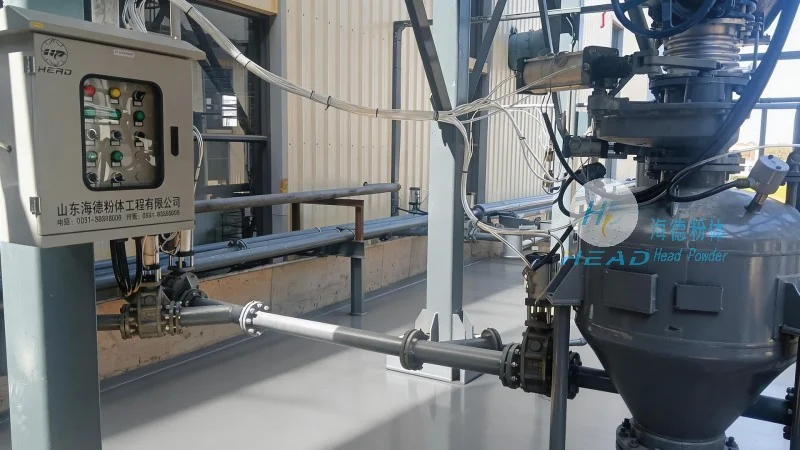
Pneumatic conveying systems transport bulk materials like wheat bran using air or gas as the conveying medium. The core principle involves creating a pressure differential to move material through a pipeline. There are two main types of pneumatic conveying: pressure and vacuum systems. Pressure systems utilize positive pressure to push material forward, while vacuum systems employ negative pressure to pull material. For wheat bran, which is typically light and dusty, pressure systems are often more suitable due to their ability to handle higher material loads and maintain consistent flow rates. The system comprises a hopper, a conveyor line, a separator, and a receiver. The hopper stores the wheat bran, and the conveyor line transports it to the processing area. The separator removes air and fine particles, ensuring the material is clean and free from contaminants. The receiver collects the processed wheat bran, ready for further use.
Wheat bran pneumatic conveying technology is applied across multiple industries, each with specific requirements. In the food industry, it is used for transporting wheat bran to flour mills and food processing plants, where it is incorporated into baked goods, cereals, and nutritional supplements. The technology ensures hygienic and dust-free handling, which is crucial for maintaining product quality and meeting regulatory standards. In the animal feed industry, wheat bran is a key ingredient in feed formulations, and pneumatic conveying enables efficient mixing and distribution of bran with other feed components. This improves the uniformity of the feed and reduces handling time. The pharmaceutical industry also utilizes wheat bran for its high fiber content, and pneumatic conveying systems ensure that the material is handled in a sterile environment, preventing contamination and preserving its nutritional value. Additionally, in the biofuel and biotechnology sectors, wheat bran is processed into ethanol or other bio-products, and pneumatic conveying facilitates the transport of raw material to processing facilities, optimizing production efficiency.
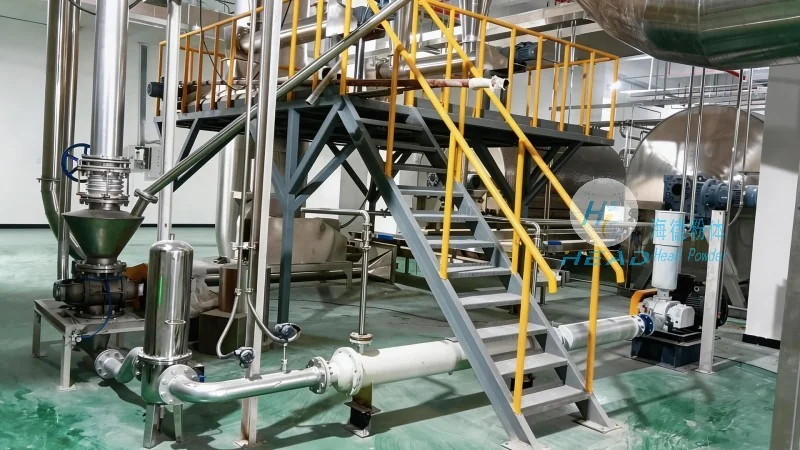
Compared to traditional mechanical conveying methods, pneumatic conveying offers several advantages for wheat bran handling. First, it eliminates the need for mechanical components like belts or chains, reducing maintenance costs and increasing system reliability. Second, it provides a dust-free and enclosed environment, which is critical for food and pharmaceutical applications where contamination control is paramount. Third, pneumatic systems can handle a wide range of material sizes and moisture contents, making them versatile for different wheat bran types. Fourth, they offer flexibility in system design, allowing for horizontal, vertical, or mixed conveying configurations to suit specific plant layouts. Finally, these systems can be integrated with automation and control systems, enabling real-time monitoring and adjustment of conveying parameters for optimal performance.
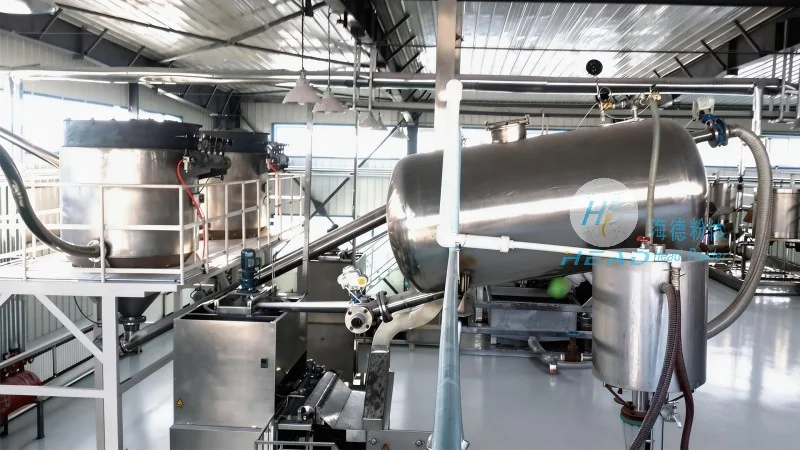
The field of wheat bran pneumatic conveying is continuously evolving with technological advancements. One key trend is the adoption of advanced control systems, such as PLC (Programmable Logic Controller) and SCADA (Supervisory Control and Data Acquisition), which enhance system efficiency and allow for remote monitoring. These systems can optimize air pressure, flow rates, and material feed, reducing energy consumption and improving overall productivity. Another trend is the use of sensors and IoT (Internet of Things) devices to monitor system performance in real-time. Sensors can detect blockages, pressure changes, or material levels, triggering automated responses to prevent system downtime. Additionally, there is a growing focus on sustainable and energy-efficient solutions. Manufacturers are developing low-energy pneumatic conveying systems that use less air pressure while maintaining effective material transport. This not only reduces operational costs but also aligns with global sustainability goals. Furthermore, the integration of artificial intelligence (AI) and machine learning (ML) is being explored to predict maintenance needs and optimize system performance based on historical data. These innovations aim to make pneumatic conveying systems more intelligent, reliable, and cost-effective for wheat bran processing.
Wheat bran pneumatic conveying technology plays a vital role in the efficient and hygienic handling of this valuable byproduct. From its fundamental principles to its diverse applications and future innovations, the technology continues to evolve to meet the demands of modern industries. Shandong HeadPowder Engineering Co., Ltd. specializes in designing and implementing customized pneumatic conveying solutions tailored to the specific needs of wheat bran processing facilities. With a focus on reliability, efficiency, and sustainability, the company provides comprehensive services, including system design, installation, and maintenance, ensuring that clients achieve optimal performance and operational excellence in their wheat bran handling processes.

 Shandong Headpowder Engineering Co., Ltd.
 156-6277-7102(Manager Zhang)
  0531-83386006
  Zhangqiu District, Jinan City, Shandong Province, China
telephone
WeChatconsult
top