With more than 10‑year industry experience, Shandong Headpowder delivers full‑service pneumatic‑conveying systems and blowers, undertaking nationwide turn‑key powder‑handling projects.
Magnesium sulfate, commonly known as Epsom salt, is a widely used chemical compound in various industrial and agricultural applications. The efficient and safe transportation of this material from production sites to processing facilities or storage areas is crucial for maintaining operational efficiency and product quality. Pneumatic conveying technology offers a reliable solution for handling magnesium sulfate, particularly in bulk quantities. This technology involves the use of air or other gases to transport solid materials through a pipeline system, eliminating the need for mechanical components like belts or buckets that may cause contamination or wear.
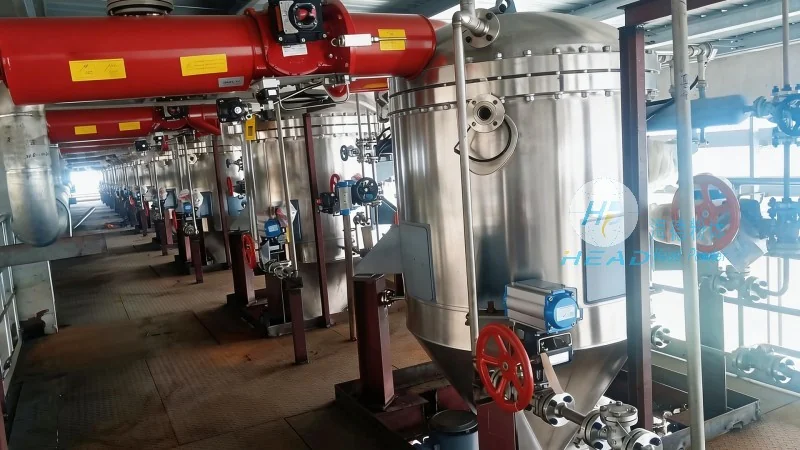
The core principle of pneumatic conveying is the creation of a flow of air or gas that moves the solid particles through a pipeline system. There are two main types of pneumatic conveying systems: dilute-phase and dense-phase. Dilute-phase systems use higher air velocities to keep particles suspended in the air stream, suitable for short distances and low to medium material flow rates. Dense-phase systems, on the other hand, operate at lower velocities, allowing particles to settle and form a slurry-like flow, which is ideal for longer distances and higher material loads. For magnesium sulfate, the choice between these systems depends on factors such as the required conveying distance, material characteristics (like particle size and density), and the need for minimal product degradation.
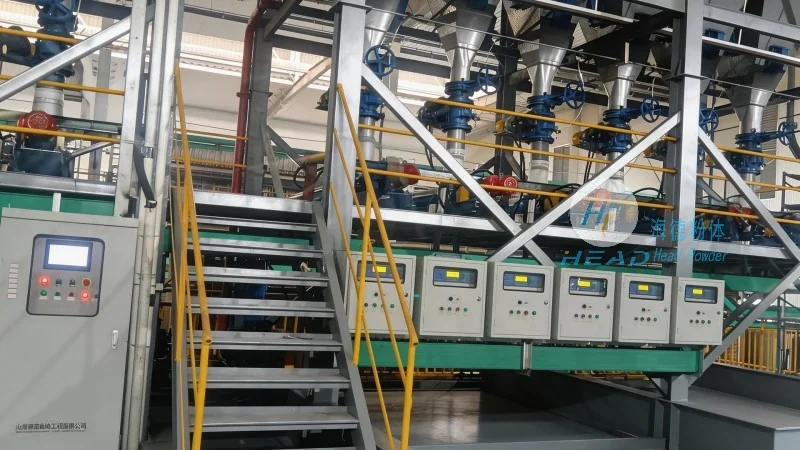
Headpowder, a leading provider of bulk material handling solutions, utilizes pneumatic conveying technology for the transport of magnesium sulfate in various industrial settings. One primary application is in the fertilizer industry, where magnesium sulfate is used as a source of magnesium in agricultural fertilizers. The technology enables the seamless transfer of the material from storage silos to mixing and packaging equipment, ensuring consistent product quality and reducing manual handling risks. Another application is in the pharmaceutical and food processing sectors, where the material is used as a raw ingredient in the production of supplements and food additives. The hygienic design of pneumatic conveying systems, such as those offered by Headpowder, minimizes the risk of contamination, making it suitable for these sensitive applications. Additionally, in the chemical manufacturing industry, magnesium sulfate is used in the production of other chemicals, and pneumatic conveying facilitates the efficient movement of the material between reactors and storage tanks.
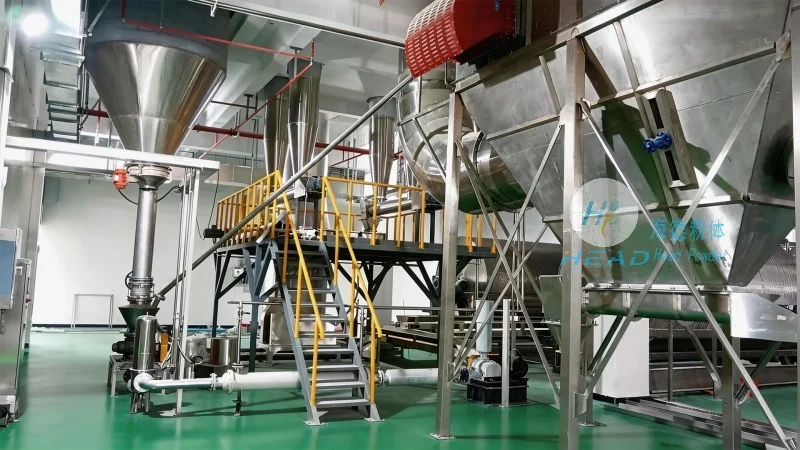
Compared to traditional mechanical conveying methods, pneumatic conveying offers several advantages for magnesium sulfate handling. First, it eliminates the need for physical contact between the material and conveying equipment, reducing the risk of contamination and product degradation. This is particularly important for magnesium sulfate used in pharmaceutical or food applications, where purity is paramount. Second, pneumatic systems can handle a wide range of material characteristics, including varying particle sizes and moisture content, without requiring extensive modifications. Third, the technology allows for flexible system designs, enabling the integration of multiple conveying lines and storage facilities. Fourth, it provides better control over material flow rates and pressure, ensuring consistent delivery to downstream processes. These advantages make pneumatic conveying a preferred choice for many magnesium sulfate applications, especially in industries where product quality and operational efficiency are critical.
The field of pneumatic conveying for magnesium sulfate is continuously evolving, driven by advancements in technology and changing industry demands. One key trend is the adoption of automated and intelligent control systems. Modern pneumatic conveying systems now incorporate sensors and control software that monitor flow rates, pressure, and material levels in real-time. This allows for automatic adjustments to maintain optimal conveying conditions, reducing downtime and improving overall system efficiency. Another trend is the use of advanced materials in system components, such as corrosion-resistant pipelines and wear-resistant valves, to extend the lifespan of the equipment and reduce maintenance costs. Additionally, there is a growing focus on energy efficiency in pneumatic conveying systems. Manufacturers are developing more efficient blowers and air compressors that minimize energy consumption while maintaining the required conveying performance. These developments are expected to further enhance the reliability and cost-effectiveness of pneumatic conveying for magnesium sulfate, making it an even more attractive option for industrial applications.
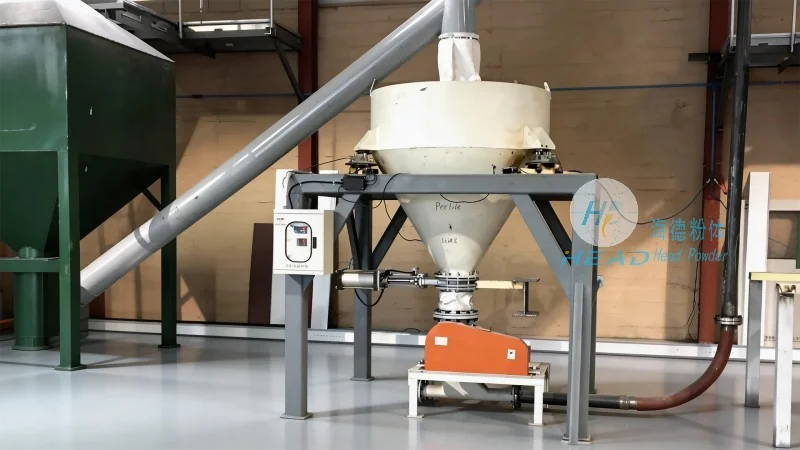
Headpowder, with its expertise in bulk material handling, continues to advance the application of pneumatic conveying technology for magnesium sulfate. By leveraging the principles of dilute and dense-phase conveying, and incorporating modern advancements in automation and material design, the company ensures that magnesium sulfate is transported safely, efficiently, and with minimal risk of contamination. As the demand for magnesium sulfate in various industries grows, the role of advanced pneumatic conveying systems will become increasingly important in maintaining operational excellence and product quality. The trends and developments in this field are likely to further refine the technology, offering even more reliable and sustainable solutions for magnesium sulfate handling in the future.

 Shandong Headpowder Engineering Co., Ltd.
 156-6277-7102(Manager Zhang)
  0531-83386006
  Zhangqiu District, Jinan City, Shandong Province, China
telephone
WeChatconsult
top