With more than 10‑year industry experience, Shandong Headpowder delivers full‑service pneumatic‑conveying systems and blowers, undertaking nationwide turn‑key powder‑handling projects.
HeadPowder, a leading enterprise in the field of material handling solutions, specializes in the design, manufacturing, and installation of advanced conveying systems tailored for the transportation of inorganic salt crystals. This article provides an in-depth exploration of the working principle and key features of their inorganic salt crystal material conveying lines, highlighting how these systems enhance operational efficiency and reliability in industrial applications.
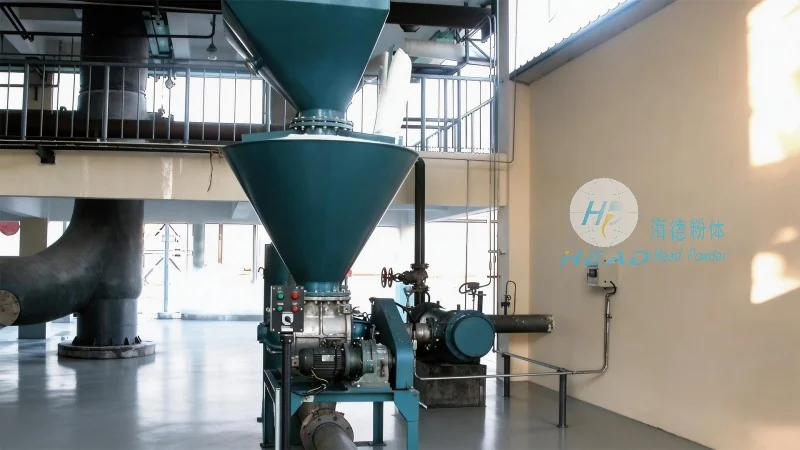
Shandong HeadPowder Engineering Co., Ltd., commonly known as HeadPowder, is headquartered in Shandong, China. With years of experience in the engineering and manufacturing of material handling equipment, the company has established itself as a trusted provider of customized conveying solutions for various industries, including chemical, food processing, and mining. HeadPowder's team of skilled engineers and technicians leverages cutting-edge technology and rigorous quality control processes to develop conveying systems that meet the specific demands of clients, ensuring optimal performance and durability.
Inorganic salt crystals, such as sodium chloride, potassium chloride, or calcium chloride, are commonly used in industrial processes for applications ranging from de-icing to chemical manufacturing. The efficient transportation of these crystalline materials is crucial for maintaining production flow and minimizing downtime. HeadPowder's inorganic salt crystal material conveying lines are engineered to handle the unique properties of these materials, including their granular or crystalline structure, varying sizes, and potential for dust generation. These systems are designed to ensure safe, reliable, and cost-effective movement of the material from storage to processing or packaging areas.
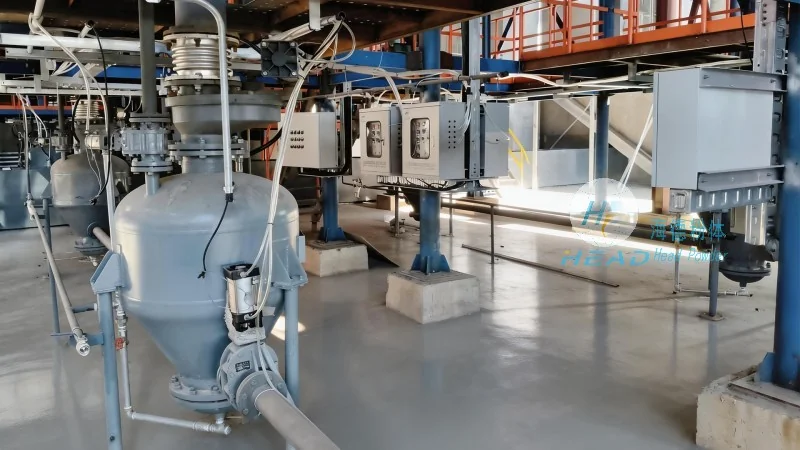
The core working principle of HeadPowder's inorganic salt crystal material conveying lines revolves around the use of specialized equipment that efficiently transports the material along a defined path. The system typically consists of components such as feeders, conveyors (e.g., belt conveyors, screw conveyors, or pneumatic conveyors), and control mechanisms. The feeders are responsible for uniformly feeding the inorganic salt crystals into the conveyor system, ensuring consistent material flow. The conveyors then transport the material through the system, utilizing mechanical or pneumatic forces to move the crystals from one point to another. Control systems, often integrated with sensors and automation technology, monitor the flow rate, position, and other parameters to maintain optimal operation and prevent issues such as blockages or overloading. This integrated approach ensures that the conveying process is smooth, efficient, and adaptable to the specific characteristics of the inorganic salt crystals being handled.
HeadPowder's inorganic salt crystal material conveying lines are characterized by several key features that enhance their performance and suitability for industrial applications. Firstly, the systems are designed with durability and corrosion resistance in mind, as many inorganic salt crystals can be abrasive or corrosive to certain materials. The use of high-quality materials, such as stainless steel or specialized alloys, ensures that the equipment can withstand the harsh conditions associated with salt handling. Secondly, the conveying lines are equipped with advanced control and monitoring systems that provide real-time data on the material flow, allowing operators to adjust parameters as needed and prevent potential issues before they escalate. This level of automation improves operational efficiency and reduces the risk of human error. Thirdly, the systems are modular and customizable, allowing HeadPowder to tailor the design to the specific requirements of each client. This flexibility ensures that the conveying line can be adapted to different production volumes, material types, and facility layouts. Additionally, the equipment is designed for easy maintenance and cleaning, which is essential for maintaining hygiene and preventing contamination in industries such as food processing or pharmaceuticals. The combination of these features makes HeadPowder's inorganic salt crystal material conveying lines a reliable and effective solution for various industrial applications.
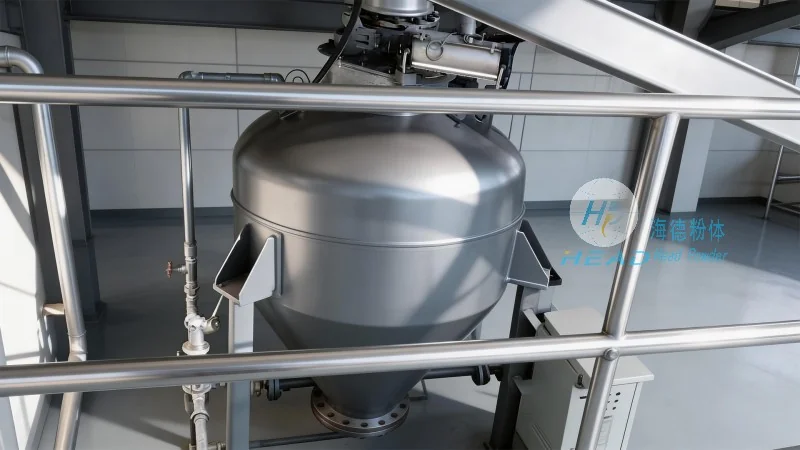
The implementation of inorganic salt crystal material conveying lines by HeadPowder offers numerous benefits to industrial operations. By streamlining the transportation of inorganic salt crystals, these systems reduce labor costs associated with manual handling and minimize the risk of accidents or material loss. The efficient movement of material also helps to maintain consistent production rates, leading to improved overall productivity. Additionally, the advanced control systems and monitoring capabilities enable better management of inventory and process parameters, contributing to cost savings and enhanced operational control. The conveying lines are widely used in industries such as chemical manufacturing, where inorganic salts are used as raw materials for producing various products, and in food processing, where salt is used as a preservative or flavoring agent. In mining operations, these systems can also be employed to transport salt crystals from extraction sites to processing facilities. Overall, HeadPowder's inorganic salt crystal material conveying lines provide a reliable and efficient solution for the transportation of inorganic salt crystals, supporting the smooth operation of industrial processes and contributing to the success of businesses in various sectors.
HeadPowder's inorganic salt crystal material conveying lines represent a sophisticated and reliable solution for the transportation of inorganic salt crystals in industrial settings. By leveraging advanced engineering, quality materials, and integrated control systems, these conveying lines enhance operational efficiency, ensure safety, and provide flexibility to meet the diverse needs of clients. With a strong presence in Shandong, China, HeadPowder continues to innovate and provide tailored material handling solutions that support the growth and success of industries relying on inorganic salt crystals. The working principle and key features of these systems make them an essential component for maintaining smooth and efficient production processes in various industrial applications.

 Shandong Headpowder Engineering Co., Ltd.
 156-6277-7102(Manager Zhang)
  0531-83386006
  Zhangqiu District, Jinan City, Shandong Province, China
telephone
WeChatconsult
top