With more than 10‑year industry experience, Shandong Headpowder delivers full‑service pneumatic‑conveying systems and blowers, undertaking nationwide turn‑key powder‑handling projects.
When it comes to transporting lead powder through pneumatic systems, the choice between positive pressure and negative pressure conveying methods is a critical decision for industrial operations. Both approaches have distinct characteristics, advantages, and applications that must be carefully evaluated to ensure optimal performance, efficiency, and safety. This article aims to provide a comprehensive guide to understanding the differences between positive pressure and negative pressure pneumatic conveying for lead powder, helping professionals in the industry make informed choices.
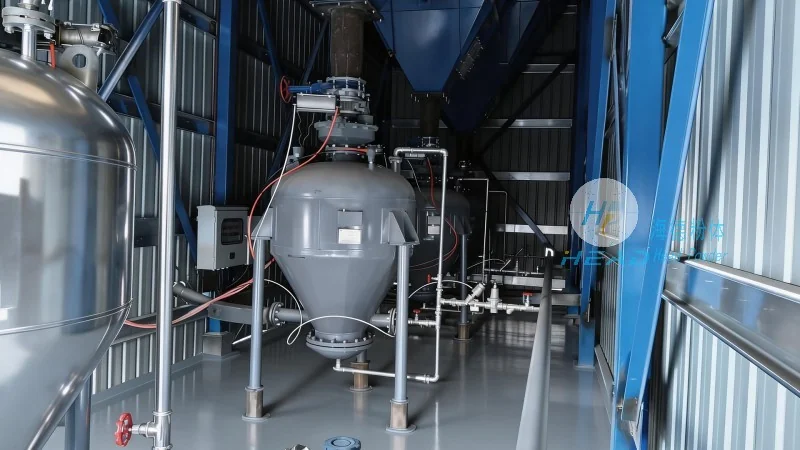
Pneumatic conveying is a method of transporting bulk materials, such as lead powder, using air or gas as the conveying medium. The system typically consists of a material feed point, a conveying line, and a discharge point. The primary goal is to move the material from one location to another without the need for mechanical components like conveyor belts or buckets. The two main types of pneumatic conveying are positive pressure and negative pressure systems, each with unique operational principles and suitability for different material properties and process requirements.
Positive pressure conveying, also known as pressure pneumatic conveying, operates by generating high-pressure air or gas at the material feed point. The pressurized air forces the lead powder particles through the conveying line to the discharge point. This method is particularly effective for materials that are prone to dusting or caking, as the high pressure helps maintain particle integrity and prevents blockages. The system typically uses a blower or compressor to generate the pressure, and the conveying line is sealed to prevent air leakage. Positive pressure systems are often preferred for short to medium-distance conveying, as the pressure can be maintained effectively over shorter distances without significant energy loss.
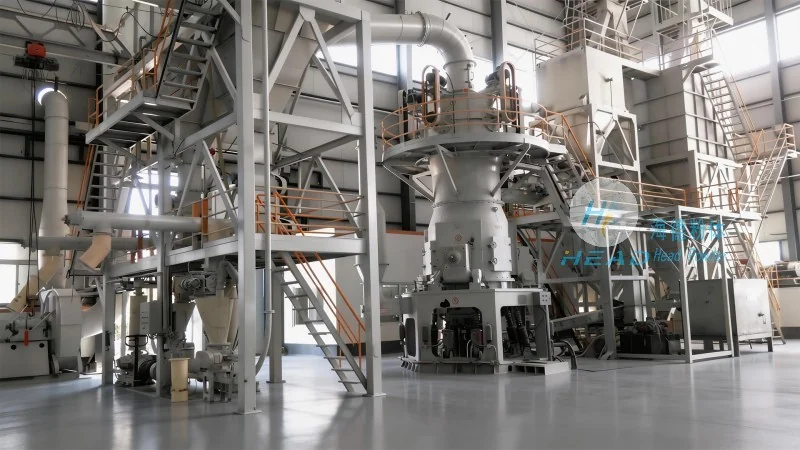
Negative pressure conveying, or vacuum pneumatic conveying, works by creating a low-pressure environment at the discharge point. The vacuum draws the lead powder particles from the feed point into the conveying line and towards the discharge point. This method is ideal for applications where the material is to be collected from a remote or difficult-to-access location, as the vacuum can pull material over longer distances with less energy consumption compared to positive pressure systems. Negative pressure systems are commonly used for handling materials that are sensitive to pressure changes or for processes that require a closed environment to prevent dust emissions. However, they may be less effective for materials that are highly cohesive or prone to bridging, as the low pressure can sometimes lead to blockages in the line.
The key differences between positive and negative pressure pneumatic conveying for lead powder can be summarized in several aspects, including pressure generation, material handling capabilities, energy consumption, and system complexity. Positive pressure systems rely on external pressure sources to push material through the line, making them suitable for materials that require high force to move. They are generally more efficient for short-distance conveying and can handle larger particle sizes or more abrasive materials. In contrast, negative pressure systems use vacuum to pull material, which is more energy-efficient for long-distance conveying and better suited for materials that are light and easily entrained by air. The choice between the two often depends on the specific characteristics of the lead powder, such as its density, moisture content, and flowability, as well as the distance and layout of the conveying system.
When selecting between positive and negative pressure pneumatic conveying for lead powder, several factors must be taken into account to ensure the most suitable system is chosen. The first consideration is the distance and layout of the conveying line. Positive pressure systems are typically more suitable for short to medium distances, while negative pressure systems are better for longer distances. The second factor is the material properties of the lead powder, including its particle size distribution, density, and cohesive tendency. Materials that are fine and easily dusting may require positive pressure systems to maintain particle integrity, whereas lighter materials may be more effectively handled by negative pressure systems. The third consideration is the energy consumption and operational costs. Positive pressure systems generally require more energy to generate the pressure, while negative pressure systems may have lower energy costs for long-distance conveying. Additionally, the system's complexity and maintenance requirements should be evaluated, as positive pressure systems may have more components that require regular maintenance.
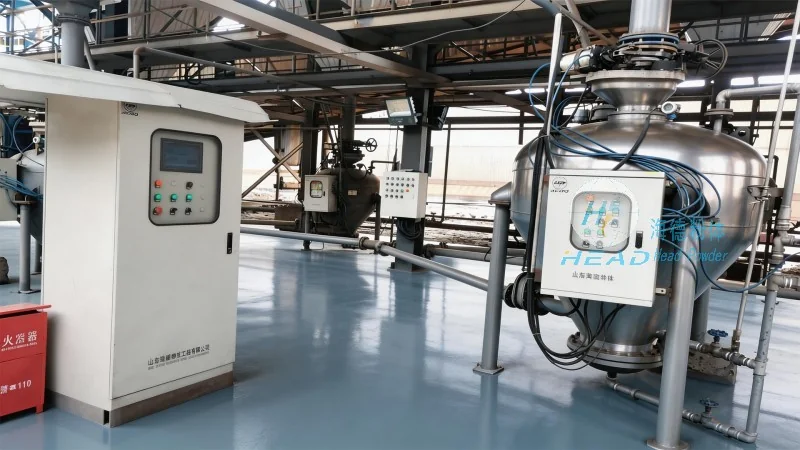
Both positive and negative pressure pneumatic conveying systems have specific applications in the handling of lead powder. Positive pressure systems are commonly used in applications such as lead powder feeding into mixing or coating processes, where the material needs to be delivered to a specific location with high pressure and minimal loss. They are also suitable for conveying lead powder from storage silos to processing equipment, as the high pressure helps maintain the material's flowability. Negative pressure systems are often used in applications where lead powder is collected from a remote source, such as from a production line or a storage area, and transported to a central processing facility. They are also effective for handling lead powder that is sensitive to pressure changes, such as in pharmaceutical or food processing applications, where maintaining a clean and dust-free environment is critical.
Choosing between positive pressure and negative pressure pneumatic conveying for lead powder is a decision that requires careful consideration of various factors, including the material properties, conveying distance, and operational requirements. Positive pressure systems offer high pressure and effective material handling for short to medium distances, while negative pressure systems provide energy-efficient long-distance conveying and are better suited for materials that are light and easily entrained by air. By understanding the differences between these two methods and evaluating the specific needs of the application, industrial professionals can select the most appropriate pneumatic conveying system to ensure efficient, safe, and cost-effective lead powder handling. Shandong HeadPowder Engineering Co., Ltd., a leading provider of pneumatic conveying solutions, offers expertise and customized systems to meet the diverse needs of the lead powder industry, ensuring optimal performance and reliability in material handling operations.

 Shandong Headpowder Engineering Co., Ltd.
 156-6277-7102(Manager Zhang)
  0531-83386006
  Zhangqiu District, Jinan City, Shandong Province, China
telephone
WeChatconsult
top