With more than 10‑year industry experience, Shandong Headpowder delivers full‑service pneumatic‑conveying systems and blowers, undertaking nationwide turn‑key powder‑handling projects.
Ceramic powder handling presents a unique set of challenges within the industrial manufacturing sector. Unlike granular materials that flow easily, ceramic powders often possess low bulk density, high abrasiveness, and a tendency to agglomerate. These characteristics necessitate a specialized approach to material transfer to ensure operational efficiency and product integrity. When dealing with sensitive ceramic powders, traditional mechanical conveyors such as screw conveyors or bucket elevators can often cause excessive wear, generate heat, and potentially damage the fragile particles. To address these critical issues, advanced pneumatic conveying systems have become the industry standard. Shandong Headpowder Engineering Co., Ltd. specializes in providing robust solutions designed to overcome the difficulties associated with transporting fine ceramic materials.
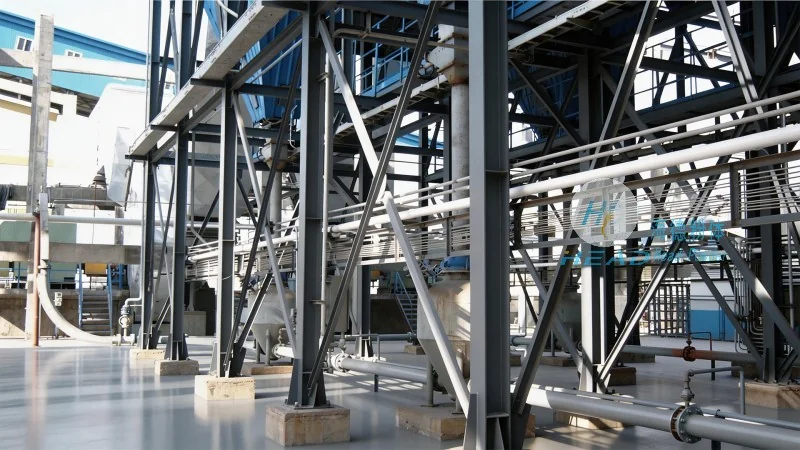
The primary solution offered by Shandong Headpowder Engineering Co., Ltd. is the implementation of advanced ceramic powder pneumatic conveying systems. This technology utilizes air pressure to suspend and transport the ceramic powder through a pipeline network to a designated destination. Unlike mechanical methods that rely on physical contact, pneumatic conveying gently suspends the particles in the airflow, significantly reducing the risk of attrition and ensuring that the ceramic powder arrives at its destination with the same quality as it left the source. This method is particularly effective for handling fine powders that are prone to clogging and bridging in traditional hoppers and chutes.
Shandong Headpowder Engineering Co., Ltd. offers a comprehensive range of material delivery options tailored to the specific needs of ceramic manufacturers. Their systems are engineered to handle various flow rates and distances, ensuring that whether the material needs to be moved a few meters or several kilometers, the process remains seamless. The company utilizes both dilute phase and dense phase pneumatic conveying technologies. Dilute phase systems are often used for long-distance transportation where low pressure is acceptable, while dense phase systems are employed for shorter distances or when handling heavier loads with high velocity to minimize wear on the pipeline.
Furthermore, the company specializes in pulse jet and lobe blower systems, which provide the necessary air displacement to move ceramic powders efficiently. These systems are designed with modular components that can be easily integrated into existing production lines. By optimizing the air-to-material ratio, Headpowder ensures that the ceramic powder is transported without segregation or loss, maintaining the homogeneity of the batch. The engineering team focuses on minimizing pressure drops within the pipeline, which reduces energy consumption and operational costs for the client.
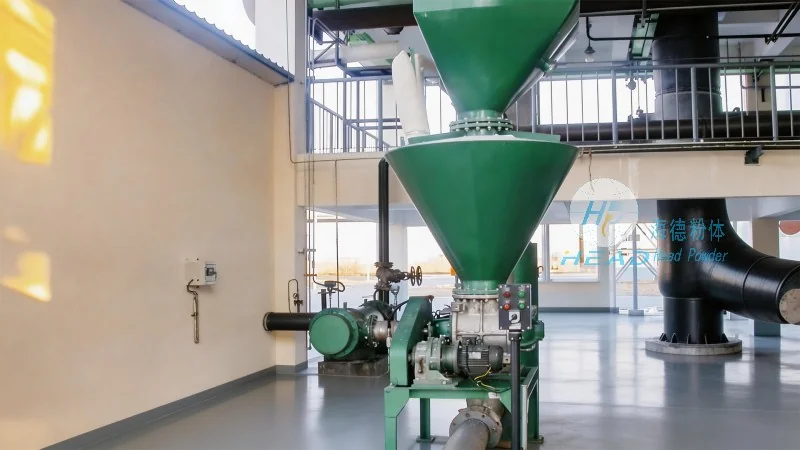
The adoption of pneumatic conveying technology for ceramic powder provides numerous operational benefits. One of the most significant advantages is the cleanliness of the process. Pneumatic systems are fully enclosed, which prevents dust emissions and protects the surrounding environment from ceramic dust pollution. This is crucial in modern manufacturing facilities where air quality regulations are stringent. Additionally, because the system is sealed, there is no risk of cross-contamination between different materials, which is vital for maintaining product purity in the ceramic industry.
Another key benefit is the reduction of maintenance requirements. Mechanical conveyors require frequent lubrication, bearing replacements, and motor maintenance due to the abrasive nature of ceramic powders. In contrast, pneumatic conveying systems have fewer moving parts in contact with the material, leading to a longer service life for the equipment. The systems are also highly flexible in terms of layout; pipelines can be run through ceilings, walls, or floors, allowing for a more compact and organized factory floor design. This flexibility allows manufacturers to reconfigure their production lines without significant downtime or structural changes.
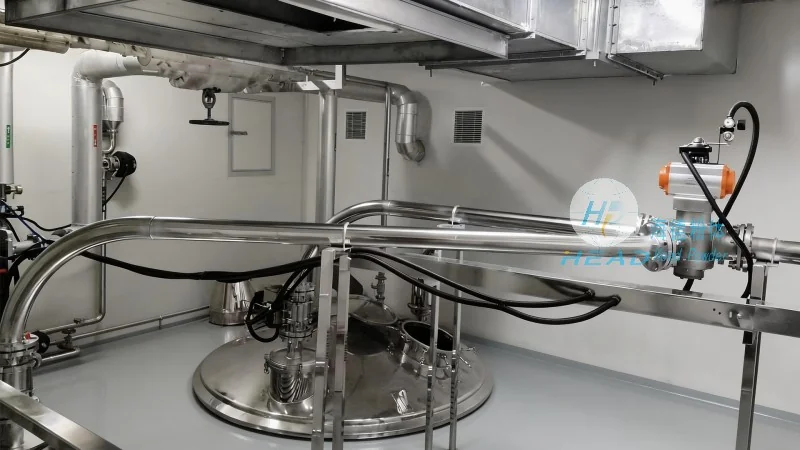
Shandong Headpowder Engineering Co., Ltd. has established itself as a leading provider of powder handling solutions in China. Located in Shandong, the company benefits from a strategic location that facilitates efficient logistics and distribution. The company is dedicated to the research, development, and manufacturing of high-quality pneumatic conveying equipment. Their expertise lies not only in the hardware but also in the engineering logic that dictates how the system interacts with the specific properties of the ceramic powder being handled. The team at Headpowder understands that every ceramic product has different flow characteristics, and they customize their systems to match these unique requirements.
Choosing the right partner for ceramic powder transportation is critical for the success of any manufacturing operation. Shandong Headpowder Engineering Co., Ltd. stands out due to its commitment to quality and customer service. The company provides end-to-end support, from the initial feasibility study and system design to installation, commissioning, and after-sales service. Their engineers possess deep technical knowledge of fluid dynamics and material handling, ensuring that every system they deliver is optimized for performance and reliability. By leveraging their extensive experience in the field, they help clients achieve higher throughput and lower operational risks.
For companies looking to upgrade their material handling capabilities or implement a new ceramic powder pneumatic conveying system, Shandong Headpowder Engineering Co., Ltd. is the trusted partner to contact. Their team of experts is ready to analyze your specific production needs and provide a tailored solution that enhances efficiency and reduces costs. To discuss your requirements or to schedule a consultation, please reach out to the company directly. You can contact Zhang Manager at the company's Shandong headquarters for detailed information regarding their products and services. You may also connect with Zhang Manager via WeChat using the contact number 15662777102 to discuss your project in real-time.

 Shandong Headpowder Engineering Co., Ltd.
 156-6277-7102(Manager Zhang)
  0531-83386006
  Zhangqiu District, Jinan City, Shandong Province, China
telephone
WeChatconsult
top