With more than 10‑year industry experience, Shandong Headpowder delivers full‑service pneumatic‑conveying systems and blowers, undertaking nationwide turn‑key powder‑handling projects.
Handling fine powdered materials, particularly soybean powder, presents unique engineering challenges in the food processing and chemical industries. Soybean powder is characterized by its fine particle size, low bulk density, and high flowability, which can lead to dust generation and potential fire hazards if not managed correctly. Unlike traditional bulk solids, soybean powder requires a specialized approach to ensure safety, efficiency, and product integrity during the transfer process. Shandong Headpowder Engineering Co., Ltd. has established itself as a leader in providing robust solutions for these specific material handling needs, focusing on the precise control of flow and the minimization of cross-contamination.
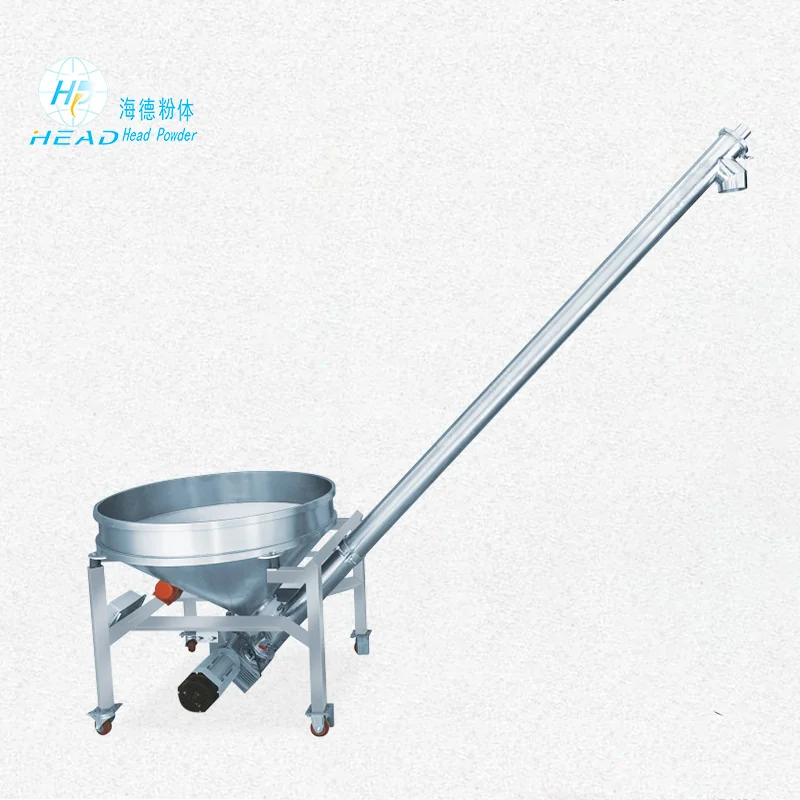
The core technology utilized by Shandong Headpowder Engineering Co., Ltd. for the soybean powder conveying process is pneumatic conveying. This method utilizes air pressure or vacuum to move the material through a pipeline system. Unlike mechanical conveyors such as belt or bucket elevators, pneumatic systems offer a sealed environment, which is critical for preserving the quality of food-grade powders like soybean flour. By keeping the material isolated from the external atmosphere, the system prevents moisture absorption, oxidation, and the ingress of foreign contaminants, ensuring the final product meets strict hygiene standards.
Shandong Headpowder Engineering Co., Ltd. specializes in the design and manufacturing of advanced soybean powder pneumatic conveying systems tailored to the specific physical properties of the raw material. The company's engineering team analyzes the moisture content, particle size distribution, and flow characteristics of the soybean powder to determine the optimal conveying parameters. Whether the facility requires a dilute phase system for high-speed transport or a dense phase system for gentle handling, Headpowder provides customized configurations that maximize throughput while minimizing energy consumption and wear on the system components.
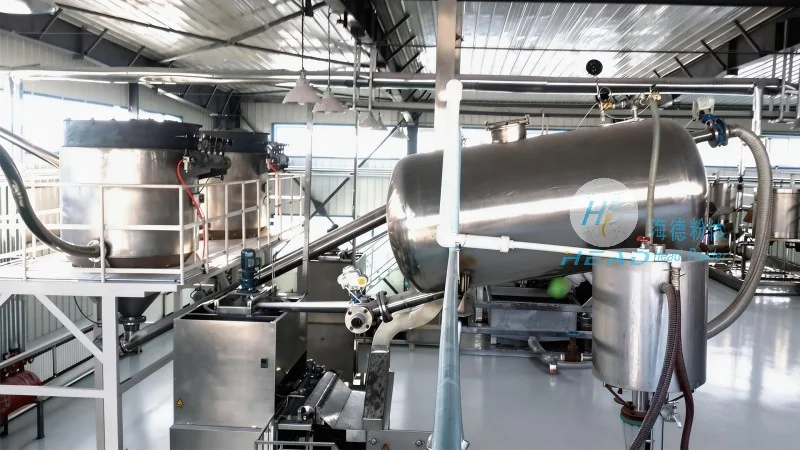
When discussing material conveying methods, it is essential to distinguish between dilute and dense phase systems. Headpowder engineers often recommend dilute phase conveying for soybean powder when the distance is short and high speed is acceptable. However, for longer distances or when preserving the granular structure of the powder is paramount, dense phase conveying is the superior choice. In a dense phase system, the material moves in plugs or surges rather than being suspended entirely in the air stream. This significantly reduces the velocity of the particles, thereby reducing the risk of product degradation and dust generation during the soybean powder conveying process.
Safety is a paramount concern when handling combustible powders like soybean flour. Headpowder Engineering integrates advanced safety features into all its systems, including explosion relief vents, inerting systems, and spark detection equipment. These components are designed to mitigate the risks associated with dust explosions, a common hazard in the food processing sector. By utilizing soybean powder pneumatic conveying technology, facilities can achieve a higher level of compliance with international safety regulations, protecting both personnel and valuable production assets.
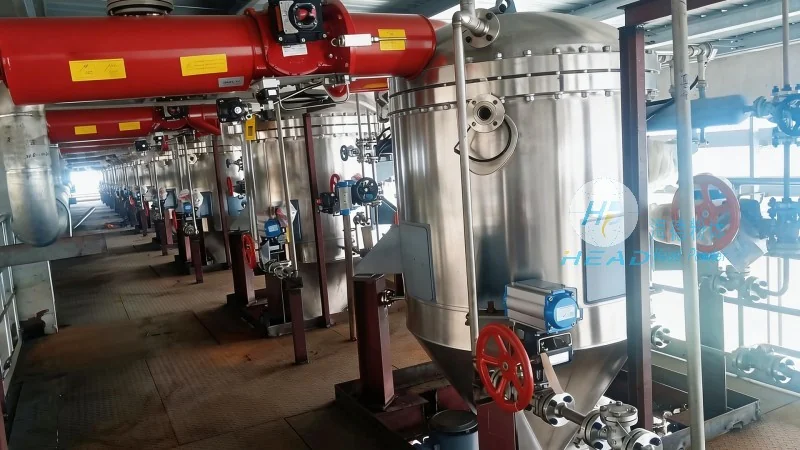
One of the significant advantages of the systems provided by Shandong Headpowder Engineering Co., Ltd. is the reduction in maintenance requirements. Traditional mechanical conveyors often suffer from blockages and high wear rates due to friction. In contrast, pneumatic conveying systems have fewer moving parts in the actual transfer path, resulting in lower friction and less mechanical wear. This leads to a more reliable operation with fewer downtime incidents, ensuring a consistent supply chain for the processed soybean powder.
The soybean powder conveying solutions offered by Headpowder are versatile and applicable across various industrial settings. These include large-scale soybean processing plants, nutritional supplement manufacturers, and food ingredient blending facilities. In these environments, the ability to accurately meter and transport large volumes of powder is essential for maintaining production schedules. Headpowder's systems ensure that the transition from storage silos to processing units is seamless and efficient, supporting the overall productivity of the facility.
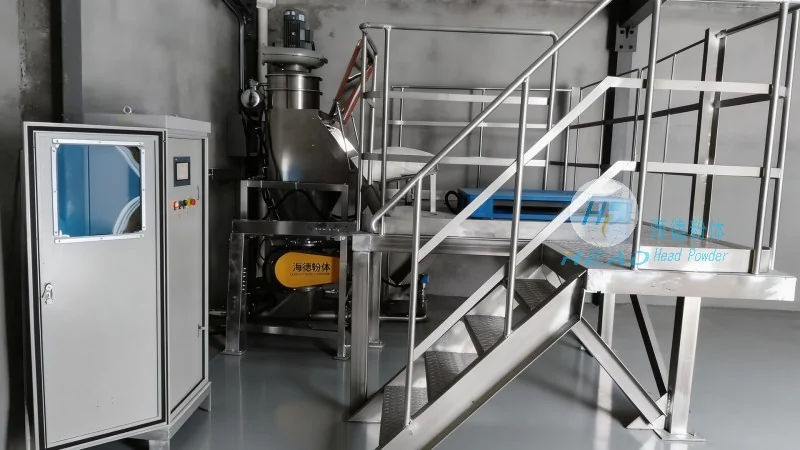
Choosing the right partner for material conveying requires looking beyond the machinery itself and considering the technical support and service capabilities. Shandong Headpowder Engineering Co., Ltd. prides itself on its comprehensive service model, which includes initial site surveys, system design, installation supervision, and after-sales technical support. The company's commitment to quality ensures that every soybean powder pneumatic conveying system delivered is not only efficient but also built to last, providing a long-term return on investment for clients.
For more detailed information regarding the specifications of our soybean powder conveying systems or to discuss your specific project requirements, please contact our experienced engineering team. You may reach us directly through our WeChat: 15662777102. Our team is ready to provide the expertise needed to optimize your material handling operations.

 Shandong Headpowder Engineering Co., Ltd.
 156-6277-7102(Manager Zhang)
  0531-83386006
  Zhangqiu District, Jinan City, Shandong Province, China
telephone
WeChatconsult
top