

Working Principle and Characteristics of Fish Meal Pneumatic Conveying
For those in the animal feed industry, the efficient and reliable handling of fish meal is a critical concern. Among the various methods available, pneumatic conveying stands out as a sophisticated solution that combines technology with practicality. This article delves into the working principle and key characteristics of fish meal pneumatic conveying systems, providing insights into how they operate and why they are favored in modern processing facilities.
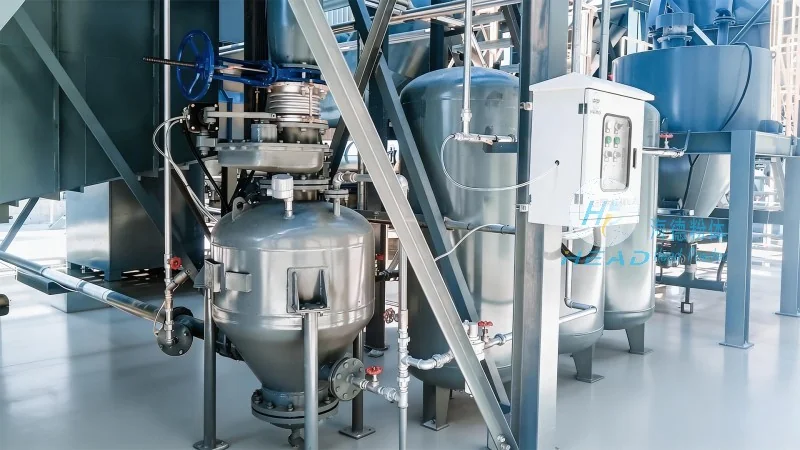
Understanding the Working Principle of Fish Meal Pneumatic Conveying
The core of a fish meal pneumatic conveying system lies in its ability to transport bulk materials like fish meal using pressurized or vacuum air streams. The process typically involves several key components that work in tandem to ensure smooth and efficient material movement. At the heart of the system is a conveyor line, which can be either positive pressure or negative pressure, depending on the specific application and layout of the facility.
In a positive pressure system, air is forced through the conveyor line, carrying the fish meal particles along with it. The air is generated by a blower or compressor, which creates a pressure differential that propels the material forward. The system includes a hopper where the fish meal is stored, a feeder that controls the flow rate, and a receiver where the material is deposited. The air and material mixture then travels through the pipeline, with the air velocity maintained at a level sufficient to keep the particles suspended and moving.
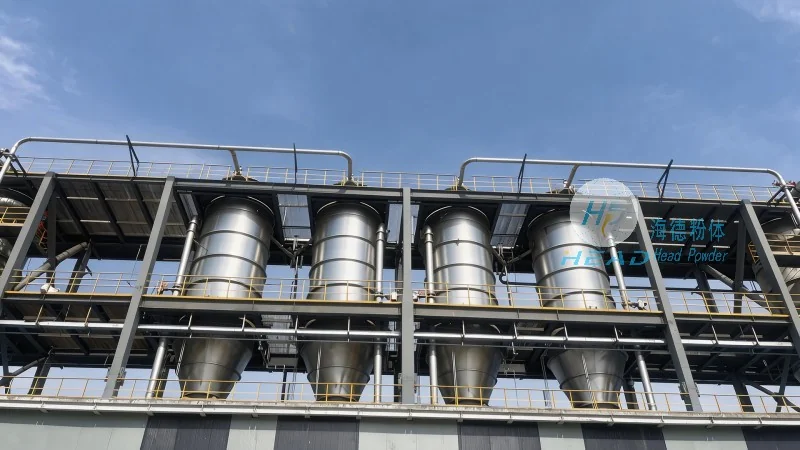
Conversely, a negative pressure system operates by creating a vacuum in the conveyor line, drawing the fish meal and air into the system from the hopper. The vacuum is generated by a fan or vacuum pump, which pulls the material through the pipeline. This method is often preferred for applications where the material needs to be transported from a higher elevation or over longer distances, as it can handle more complex layouts without the need for additional pressure boosting.
Regardless of the system type, the fundamental principle remains the same: the air stream provides the necessary force to move the fish meal particles, while the design of the components ensures that the material is conveyed without degradation or loss. The system's efficiency is directly linked to the air velocity, which must be optimized to prevent particle segregation or clogging. Proper maintenance of the air filters and pipeline is also crucial to maintain consistent performance and prevent contamination.
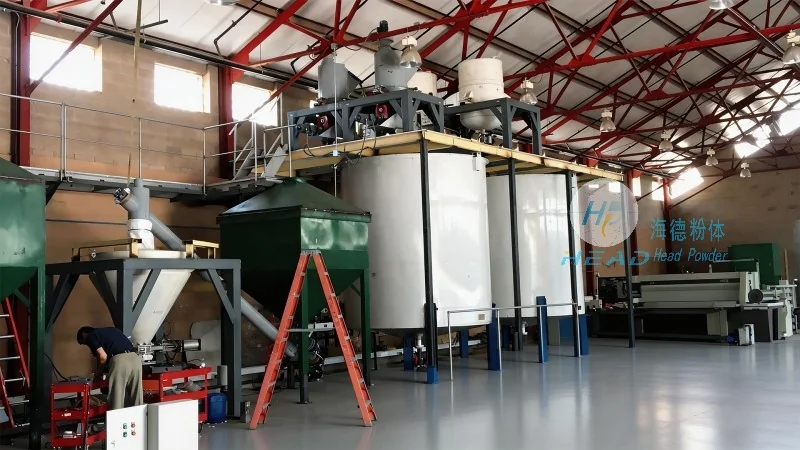
Key Characteristics of Fish Meal Pneumatic Conveying Systems
When evaluating pneumatic conveying systems for fish meal handling, several characteristics stand out as advantages that make them ideal for industrial applications. First and foremost is the high efficiency in material transport. Compared to traditional methods like belt conveyors or bucket elevators, pneumatic systems can handle larger volumes of material with less energy consumption, making them cost-effective in the long run.
Another significant characteristic is the hygienic and clean operation. Fish meal is a sensitive product, and the risk of contamination from external sources is a major concern. Pneumatic conveying systems are enclosed, which prevents dust and other particles from entering the material stream. This feature is particularly important in food and animal feed industries, where product purity is paramount. The enclosed design also reduces the risk of cross-contamination between different batches of fish meal, ensuring product integrity throughout the supply chain.
Flexibility in system design is another key characteristic. Pneumatic conveying systems can be configured to suit a wide range of facility layouts, from simple straight-line transport to complex networks with multiple branches and changes in elevation. This adaptability allows for the integration of the system into existing processing plants without major structural modifications. The modular nature of the components also facilitates easy expansion or reconfiguration as production needs change over time.
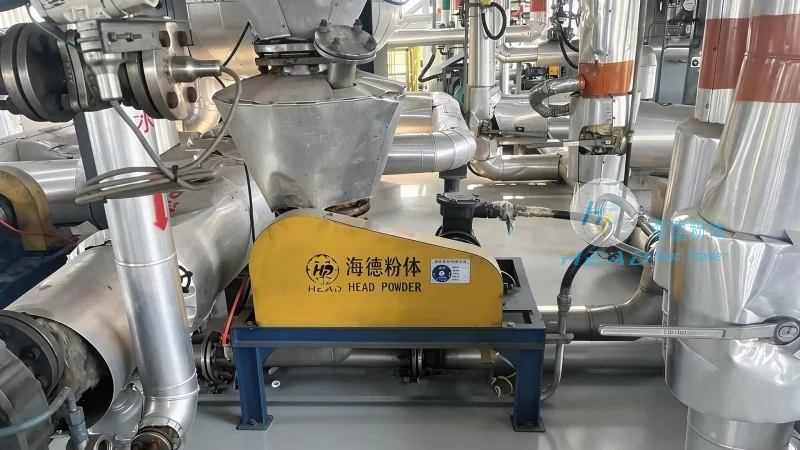
Operational safety is a critical consideration in any industrial system, and pneumatic conveying systems offer several safety advantages. Unlike mechanical systems that involve moving parts in direct contact with the material, pneumatic systems use air as the primary medium, reducing the risk of mechanical failure or injury. The enclosed nature of the system also minimizes the exposure of personnel to the material, enhancing workplace safety. Additionally, the system's ability to handle abrasive materials like fish meal without causing wear and tear on components contributes to lower maintenance costs and longer equipment life.
Company Information: Shandong HeadPowder Engineering Co., Ltd.
As a leading provider of engineering solutions for the animal feed industry, Shandong HeadPowder Engineering Co., Ltd. specializes in designing and manufacturing advanced pneumatic conveying systems tailored to the unique needs of fish meal processing. With a strong commitment to quality and innovation, the company has established itself as a trusted partner for businesses seeking reliable and efficient material handling solutions. HeadPowder's expertise lies in customizing systems that optimize performance, reduce operational costs, and ensure compliance with industry standards. The company's headquarters is located in Shandong, China, where a team of experienced engineers and technicians work to deliver solutions that meet the highest standards of efficiency and reliability.