

Working Principle and Features of Lithium Oxalate Pneumatic Conveying Equipment
For industrial applications involving lithium oxalate, the selection of an efficient and reliable material handling system is crucial. Pneumatic conveying equipment, particularly for handling lithium oxalate, offers a solution that combines performance with operational safety. This article delves into the working principle and key features of lithium oxalate pneumatic conveying equipment, providing insights into how such systems operate and the advantages they bring to material transport processes. Developed by Shandong HeadPowder Engineering Co., Ltd., a leading manufacturer based in Shandong, China, these systems are engineered to meet the specific demands of lithium oxalate handling in various industrial sectors.
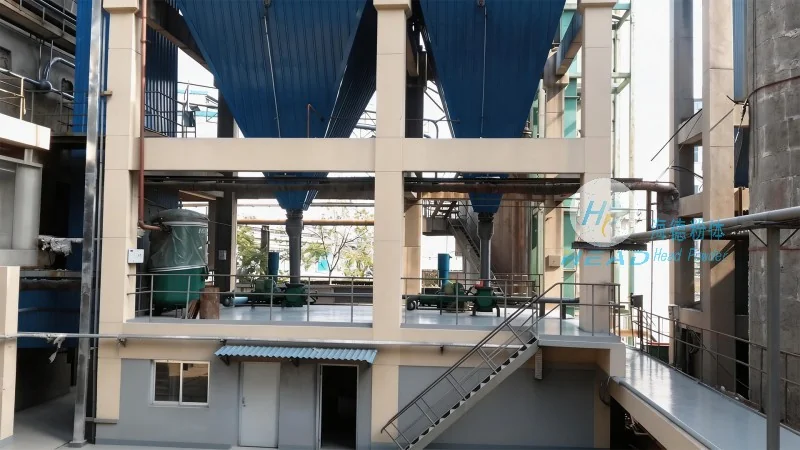
Understanding the Working Principle of Lithium Oxalate Pneumatic Conveying Equipment
The core of pneumatic conveying systems lies in the use of air or gas to transport bulk materials through a pipeline. In the case of lithium oxalate, which is often a fine powder or granular material, the equipment utilizes a combination of pressure or vacuum to move the material from a source to a destination. The process typically involves several key components: a hopper for material storage, a feeder to control the flow rate, a conveying line where the material is propelled by air, and a receiver for the material at the end of the line. The working principle can be categorized into two main types: pressure and vacuum systems.
In pressure systems, compressed air is introduced at the material inlet, creating a high-pressure environment that pushes the lithium oxalate particles through the pipeline. This method is effective for short to medium distances and is suitable for materials that are not too abrasive or corrosive. The air velocity is carefully controlled to ensure that the particles are carried without causing excessive wear on the equipment. Conversely, vacuum systems use a vacuum pump to create a low-pressure area at the receiver end, drawing the material from the source through the pipeline. This approach is ideal for longer distances or when the material needs to be transported from multiple points to a central location.
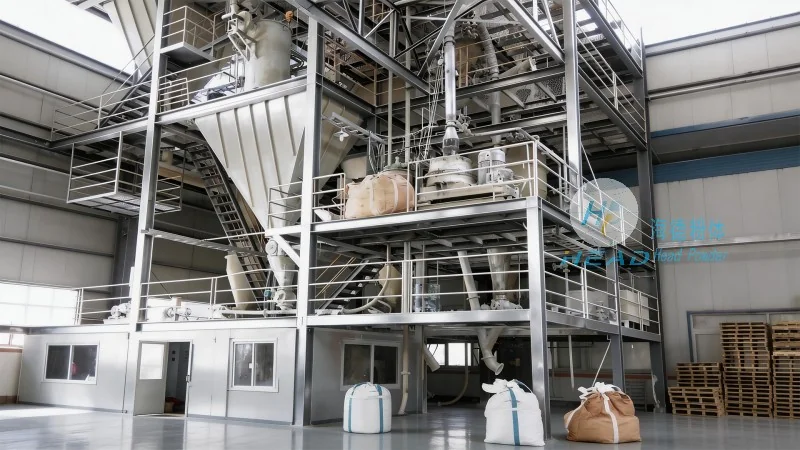
Key Features of Lithium Oxalate Pneumatic Conveying Equipment
When evaluating pneumatic conveying equipment for lithium oxalate, several features stand out as critical for optimal performance and safety. Firstly, the equipment must be designed to handle the specific properties of lithium oxalate, such as its particle size, density, and flow characteristics. A well-designed system ensures that the material flows smoothly without bridging or clogging, which can lead to operational inefficiencies. The use of high-quality materials for the conveying line, such as stainless steel or specialized plastics, is essential to prevent corrosion or contamination, especially since lithium oxalate can be sensitive to moisture or other environmental factors.
Another important feature is the control system, which manages the air flow and material feed rate. Advanced control systems allow for precise regulation, ensuring that the conveying process is consistent and efficient. This is particularly important in applications where the quality of the transported material is critical, such as in pharmaceutical or battery manufacturing where lithium oxalate is used as a precursor. The equipment also includes safety features, such as pressure relief valves and dust collection systems, to mitigate risks associated with dust explosions or material overpressure.
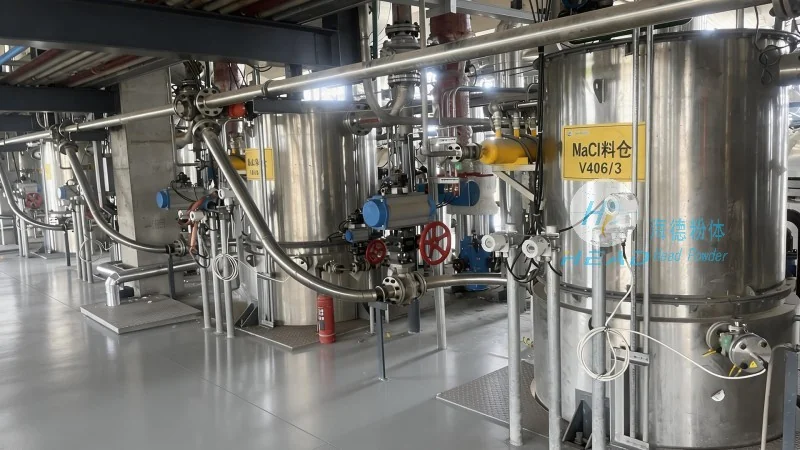
Benefits of Using Pneumatic Conveying for Lithium Oxalate Handling
Implementing pneumatic conveying equipment for lithium oxalate offers numerous benefits that enhance operational efficiency and safety. One of the primary advantages is the ability to transport materials in a closed system, which minimizes dust exposure and environmental contamination. This is especially important in industries where dust control is a regulatory requirement. Additionally, pneumatic systems can be integrated with other processing equipment, such as mixing or packaging lines, creating a seamless material flow from extraction to final product.
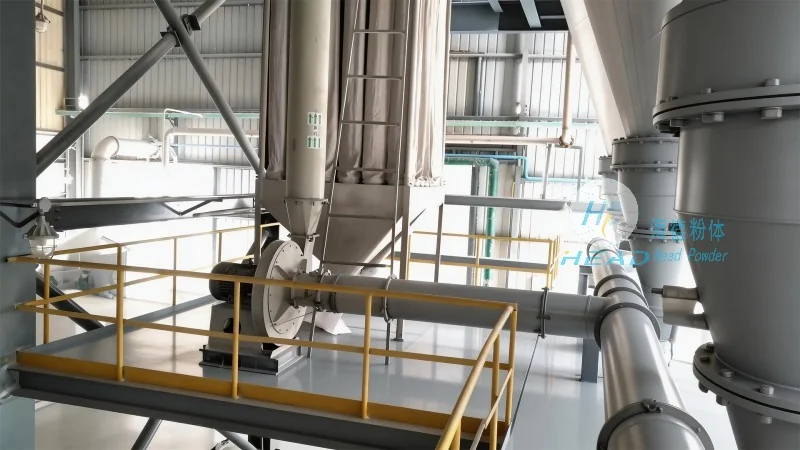
The equipment also contributes to cost savings by reducing labor costs associated with manual handling and by minimizing material loss during transport. The compact design of many pneumatic conveying systems allows for installation in confined spaces, making them suitable for facilities with limited floor space. Furthermore, the flexibility of pneumatic systems enables easy reconfiguration of the conveying line to accommodate changes in production needs or facility layout.
Conclusion
Lithium oxalate pneumatic conveying equipment is a sophisticated solution for the efficient and safe handling of lithium oxalate in industrial settings. By understanding the working principles and key features of such systems, manufacturers can make informed decisions that optimize their material transport processes. The combination of advanced technology, robust design, and safety features makes pneumatic conveying an ideal choice for applications requiring high precision and reliability. As the demand for lithium oxalate in battery and pharmaceutical industries continues to grow, the importance of reliable material handling systems will only increase, making equipment like this a critical component of modern production lines.