

Working Principle and Features of Riced Flour Pneumatic Conveying
Riced flour, a staple ingredient in many culinary applications, requires efficient and reliable transport methods to ensure quality and safety during processing. Pneumatic conveying systems have emerged as a preferred solution for handling riced flour due to their ability to move powders in a controlled manner. This article explores the working principle and key features of riced flour pneumatic conveying, highlighting the technology's benefits and practical applications.
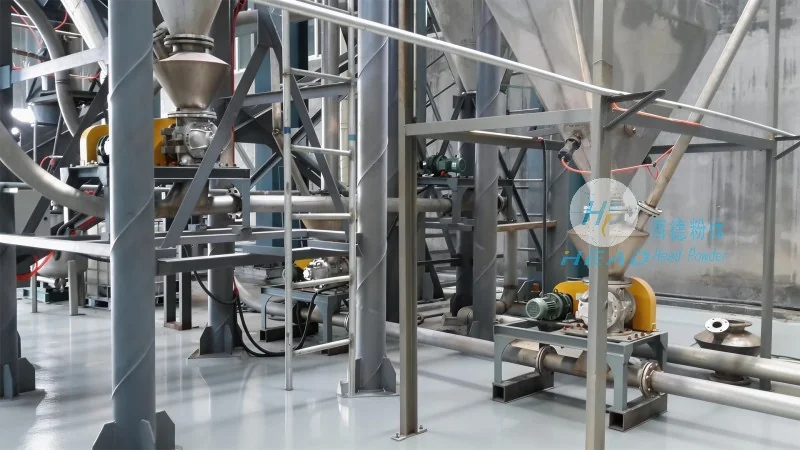
Working Principle of Pneumatic Conveying for Riced Flour
The core mechanism of riced flour pneumatic conveying involves the use of air to transport the powder material through a pipeline system. In this process, a fan or blower generates a pressure differential that propels the riced flour particles. The system typically operates under either positive pressure (where air pushes the material) or negative pressure (where air is drawn to pull the material). For riced flour, positive pressure systems are commonly used as they offer better control over the material flow and reduce the risk of contamination. The process begins with the riced flour being fed into a hopper, where it is then drawn into the conveying line by the moving air. The air velocity is carefully managed to ensure that the flour particles are suspended and transported without clogging or degradation. This method allows for a continuous and automated transfer of riced flour from one processing stage to another, such as from storage silos to mixing equipment or packaging lines.
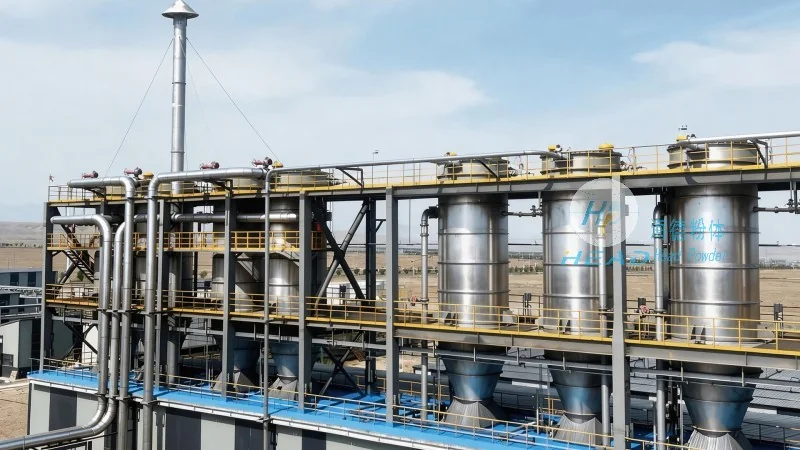
Key Features of Riced Flour Pneumatic Conveying Systems
Riced flour pneumatic conveying systems are designed with several critical features that enhance their performance and suitability for food processing environments. One of the primary features is the ability to handle fine powders like riced flour without causing dust accumulation or caking. The system's design minimizes material contact with metal surfaces, reducing the risk of contamination and maintaining product purity. Additionally, these systems are equipped with filtration and cleaning mechanisms to ensure that the air used for conveying remains clean and free from particulates. This is crucial for maintaining the quality of riced flour, which is sensitive to moisture and contaminants. Another important feature is the flexibility in system configuration, allowing for horizontal, vertical, or mixed-direction conveying based on the layout of the processing facility. This adaptability makes it possible to integrate the system into existing production lines without major modifications. The systems also offer energy efficiency, as they use less power compared to traditional mechanical conveying methods while providing consistent and reliable material transport. Furthermore, the enclosed nature of pneumatic conveying helps in controlling dust emissions, which is essential for maintaining a safe and compliant working environment in food processing plants.
Technical Advantages and Practical Applications
Implementing riced flour pneumatic conveying systems offers several technical advantages that contribute to improved operational efficiency and product quality. The primary advantage is the reduction in labor costs associated with manual handling of powders, as the system automates the transport process. This also minimizes the risk of human error and exposure to dust, enhancing workplace safety. The enclosed system design prevents dust from spreading into the environment, which is vital for meeting regulatory standards in the food industry. Another advantage is the ability to handle riced flour in a hygienic manner, as the system is easy to clean and maintain, ensuring that the product remains free from contaminants. Practical applications of riced flour pneumatic conveying include the transfer of riced flour from bulk storage to processing equipment, such as mixers, extruders, or packaging machines. The system can also be used for blending different types of riced flour or other ingredients, allowing for precise control over the final product composition. In addition, the system's scalability allows it to be customized to handle varying volumes of riced flour, from small-scale operations to large industrial facilities. This flexibility makes it suitable for a wide range of food processing applications, including bakery products, confectionery, and nutritional supplements.
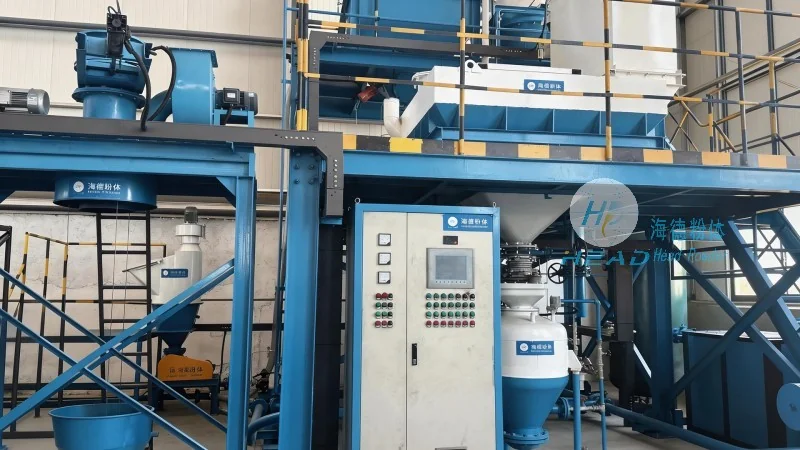
Company Profile: Shandong HeadPowder Engineering Co., Ltd.
Shandong HeadPowder Engineering Co., Ltd., operating under the brand name headpowder, is a leading manufacturer of pneumatic conveying systems tailored for the food processing industry. With a focus on innovation and quality, the company specializes in designing and manufacturing equipment that meets the stringent requirements of the food sector. HeadPowder's facilities are located in Shandong, China, where the company leverages advanced technology and experienced engineering teams to develop reliable and efficient conveying solutions. The company's products are known for their durability, hygiene, and adaptability, making them suitable for handling a variety of powders, including riced flour. HeadPowder's commitment to customer satisfaction and technical support ensures that clients receive tailored solutions that address their specific processing needs. By combining expertise in pneumatic conveying technology with a deep understanding of food industry requirements, HeadPowder provides comprehensive solutions that enhance operational efficiency and product quality for its clients.