

Working Principle and Features of Sand Pneumatic Conveying Systems
Understanding the working principle and features of sand pneumatic conveying systems is crucial for industries that rely on efficient material handling solutions. These systems are designed to transport sand and other granular materials through a pipeline using air pressure or vacuum. The technology offers a versatile and effective method for moving bulk materials in various industrial applications.
Introduction to Sand Pneumatic Conveying Systems
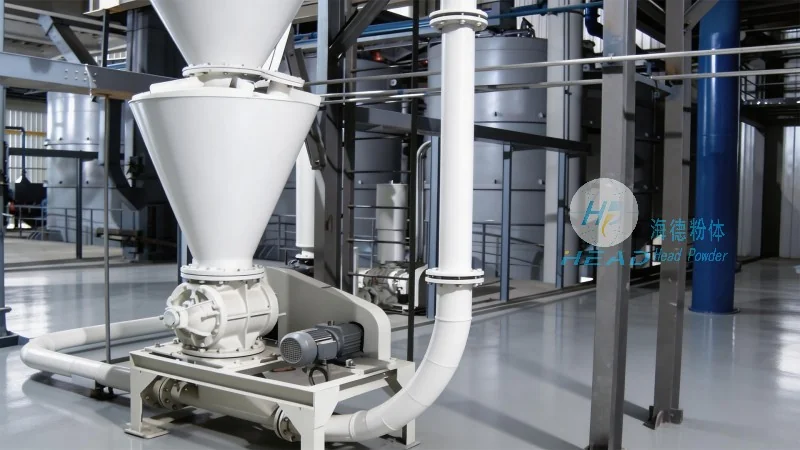
Sand pneumatic conveying systems are specialized equipment used to transport sand and similar granular materials over short to medium distances. Unlike traditional mechanical conveyors, these systems utilize air as the primary medium to move the material. The process involves creating a flow of air within a pipeline, which then carries the sand particles along with it. This method is particularly advantageous in environments where dust control and minimal material degradation are essential.
The Working Principle of Sand Pneumatic Conveying Lines
The core working principle of sand pneumatic conveying lines revolves around the use of air pressure or vacuum to generate the necessary force for material transport. There are two main types of pneumatic conveying systems: pressure and vacuum. In pressure systems, a positive pressure is maintained within the pipeline, pushing the material forward. Conversely, vacuum systems create a negative pressure that pulls the material into the pipeline. For sand applications, pressure systems are more commonly used due to their ability to handle higher material loads and longer distances.
Within the system, the sand is introduced into the pipeline at a feeding point, often through a hopper or a rotary valve. The air, typically compressed air, is then introduced at a specific velocity to ensure the sand particles are fully entrained and carried through the pipeline. The velocity of the air must be sufficient to overcome the gravitational forces acting on the sand particles and any friction within the pipeline. This ensures a consistent and reliable flow of sand throughout the conveying process.
Key Features of Sand Pneumatic Conveying Systems
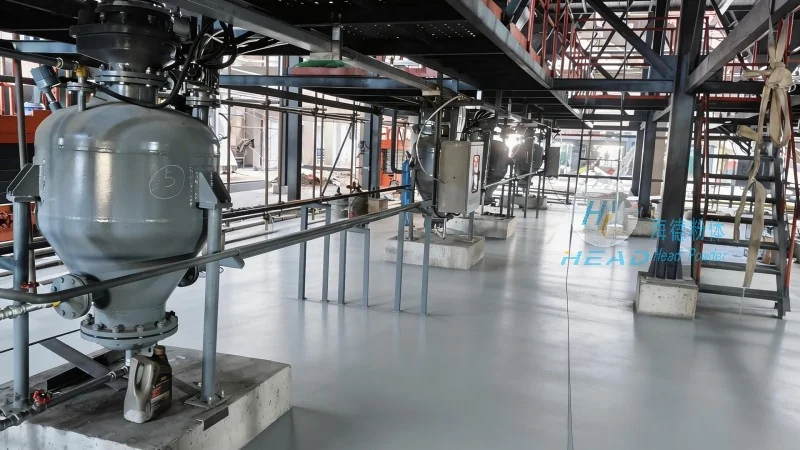
Sand pneumatic conveying systems offer several key features that make them ideal for industrial applications. One of the primary advantages is their ability to handle abrasive materials like sand without causing excessive wear on the equipment. The enclosed pipeline design also helps in controlling dust and preventing contamination, which is critical in industries such as construction, mining, and manufacturing.
Another significant feature is the flexibility in system design. These systems can be configured in various configurations, including straight lines, loops, or even vertical lifts, to accommodate different layout requirements. This adaptability allows for integration into existing production lines or new installations with minimal disruption.
Efficiency is another critical feature. By using air as the conveying medium, the system reduces the need for mechanical components like belts or chains, which can be prone to wear and maintenance. This leads to lower operational costs and increased reliability over time. Additionally, the system can be easily scaled to handle varying volumes of sand, making it suitable for both small-scale and large-scale operations.
Applications and Benefits in Industrial Settings
Sand pneumatic conveying systems are widely used in various industries where sand is a key raw material. In the construction industry, these systems are used to transport sand from storage silos to mixing plants or job sites. The ability to handle large volumes of sand efficiently reduces downtime and improves productivity. In the mining sector, sand pneumatic conveyors are used to transport sand from processing facilities to storage areas or for further processing.
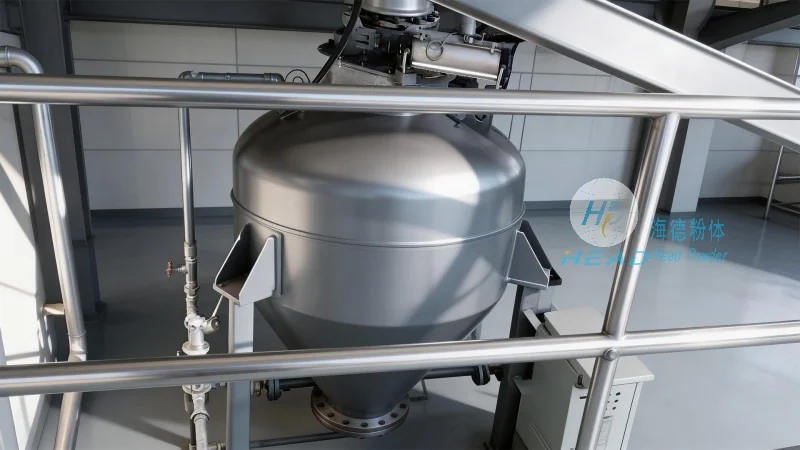
The benefits of using sand pneumatic conveying systems extend beyond just material handling. The enclosed design helps in maintaining a clean and safe working environment by containing dust and preventing it from spreading into the workplace. This is particularly important in regions with strict environmental regulations. Furthermore, the system's ability to handle abrasive materials without significant wear extends the lifespan of the equipment, reducing maintenance costs and increasing overall operational efficiency.
Conclusion and Company Overview
Sand pneumatic conveying systems are a reliable and efficient solution for transporting sand and other granular materials in industrial settings. The working principle, which relies on air pressure to move material through a pipeline, offers several advantages including minimal material degradation, dust control, and flexibility in system design. These features make them a preferred choice for industries that require consistent and high-volume material transport.
Shandong HeadPowder Engineering Co., Ltd. specializes in the design, manufacturing, and installation of advanced pneumatic conveying systems. With a focus on quality and innovation, the company provides customized solutions tailored to the specific needs of its clients. The company's expertise in material handling technology ensures that clients receive systems that are not only efficient but also durable and cost-effective. By leveraging the latest advancements in pneumatic conveying technology, HeadPowder Engineering helps industries improve their operational efficiency and maintain a competitive edge in their respective markets.