

Quantitative Feeding Pneumatic Conveying System Equipment: Understanding Its Function and Design Pri
Quantitative feeding pneumatic conveying systems represent a sophisticated technology used in material handling and processing industries. These systems are engineered to transport bulk materials such as powders, granules, and fine particles through a pipeline using a pressurized air or gas stream. The core of this technology lies in the precise control of material flow, ensuring consistent and accurate delivery of the material to its destination. This article explores the fundamental aspects of quantitative feeding pneumatic conveying systems, including their operational principles and design considerations.
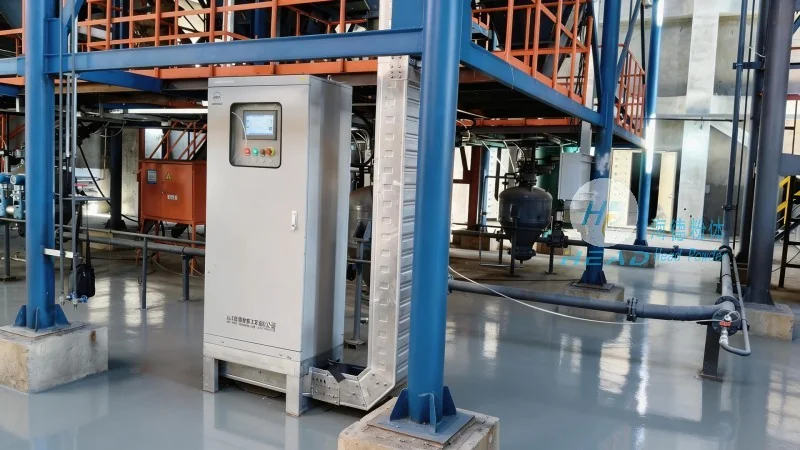
What is a Quantitative Feeding Pneumatic Conveying System?
A quantitative feeding pneumatic conveying system is a specialized equipment setup designed to transport bulk materials in a controlled manner. Unlike traditional pneumatic conveying systems that may rely on variable flow rates, this system incorporates mechanisms to regulate the amount of material conveyed per unit time. The primary goal is to achieve a precise, repeatable feed rate, which is crucial in applications where material consistency is paramount, such as in pharmaceutical manufacturing, food processing, and chemical production. The system typically consists of a hopper, a feeding device, a conveying line, and a receiver, all integrated to ensure efficient and accurate material transport.
Design Principles of Quantitative Feeding Pneumatic Conveying Systems
The design of a quantitative feeding pneumatic conveying system is based on several key principles to ensure optimal performance and reliability. First, the system must maintain a consistent air pressure and flow rate to guarantee uniform material movement through the pipeline. This is achieved through the use of high-quality air compressors and pressure regulators that can handle the specific requirements of the conveyed material. Second, the feeding mechanism plays a critical role in controlling the material feed rate. Common feeding devices include rotary valves, screw feeders, and vibrating feeders, each selected based on the material's characteristics and the desired flow rate. The feeding device is typically connected to a hopper that stores the bulk material, allowing for continuous or batch feeding as needed.
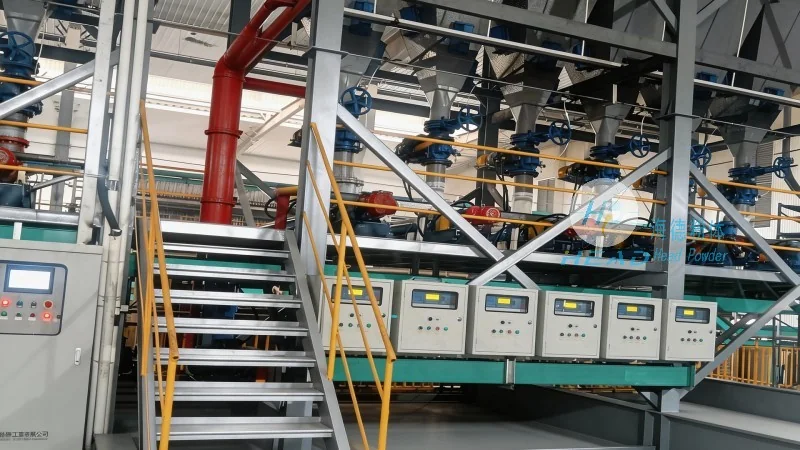
Third, the conveying line design is essential for minimizing material degradation and ensuring efficient transport. The pipeline is usually made of materials like stainless steel or plastic, chosen for their resistance to corrosion and wear. The diameter and length of the pipeline are carefully calculated to maintain the required air velocity, which directly impacts the conveying efficiency. Additionally, the system may include features like pulse jets or airlocks to prevent material blockages and ensure smooth operation. The receiver, where the material is deposited, is designed to handle the material's characteristics, such as moisture content or particle size, to prevent clogging or degradation.
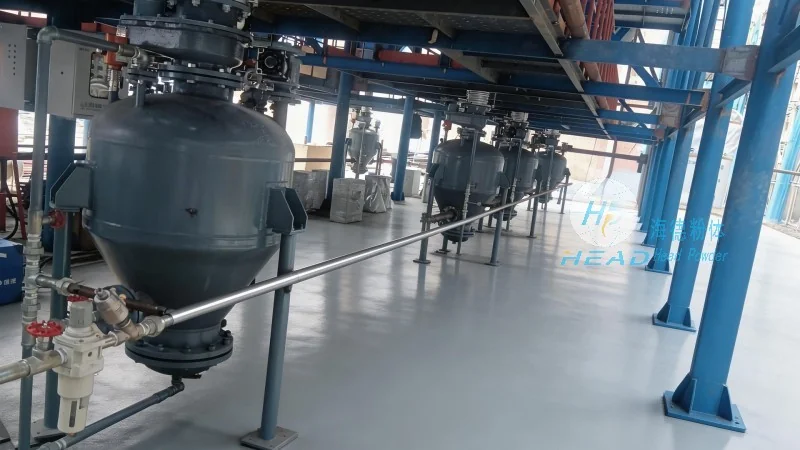
Key Components and Their Functions
Several critical components make up a quantitative feeding pneumatic conveying system. The hopper serves as the storage container for the bulk material, providing a consistent supply to the feeding device. The feeding device, as mentioned earlier, regulates the material flow into the conveying line. The air compressor and associated equipment generate the necessary pressure and airflow to move the material through the pipeline. The conveying line itself transports the material from the feeding point to the receiver. The receiver collects the material and may include features like a discharge valve or a dust collection system to maintain cleanliness and prevent material loss.
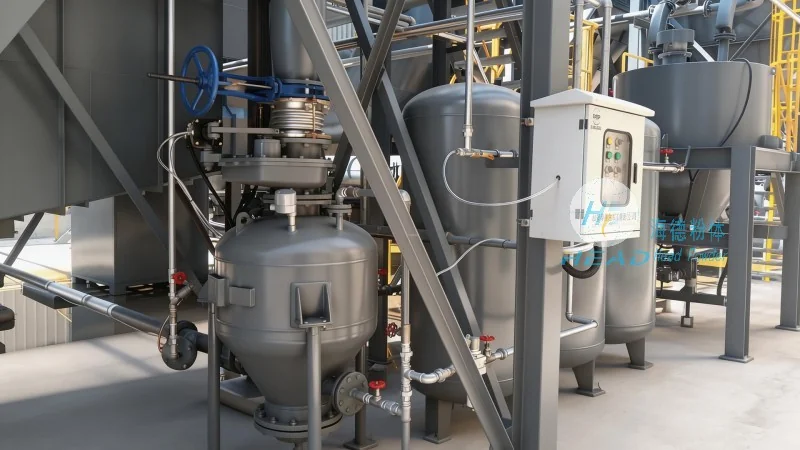
Applications and Benefits
Quantitative feeding pneumatic conveying systems are widely used in various industries due to their ability to handle a diverse range of materials and provide precise control over material flow. In the pharmaceutical industry, these systems are essential for transporting active pharmaceutical ingredients (APIs) and excipients with strict purity and dosage requirements. In food processing, they are used to convey ingredients like flour, sugar, and spices, ensuring consistent quality and preventing contamination. The chemical industry also benefits from these systems when handling powders and granules that require controlled dosing for manufacturing processes. The primary benefits of quantitative feeding pneumatic conveying systems include improved process control, reduced material waste, enhanced safety due to enclosed systems, and increased operational efficiency compared to traditional manual feeding methods.
Conclusion
Quantitative feeding pneumatic conveying systems are advanced solutions for material handling that combine precision, efficiency, and reliability. By understanding the design principles and key components, users can select and implement the appropriate system for their specific needs. The technology continues to evolve, with advancements in control systems and material handling capabilities, ensuring its relevance in modern industrial applications. For those seeking to enhance their material handling processes, a quantitative feeding pneumatic conveying system from a reputable manufacturer like Shandong HeadPowder Engineering Co., Ltd. can provide the necessary solutions to meet their operational requirements.