With more than 10‑year industry experience, Shandong Headpowder delivers full‑service pneumatic‑conveying systems and blowers, undertaking nationwide turn‑key powder‑handling projects.
Biomass ash, a byproduct of biomass combustion processes, often requires efficient and reliable handling systems to ensure proper disposal or utilization. Among the various technologies available for material transport, pneumatic conveying systems have emerged as a preferred solution for biomass ash due to their ability to handle fine powders and abrasive materials with minimal wear and operational complexity. This article delves into the concept of a biomass ash pneumatic conveying system equipment, outlining its key components, operational mechanisms, and the fundamental design principles that govern its performance.
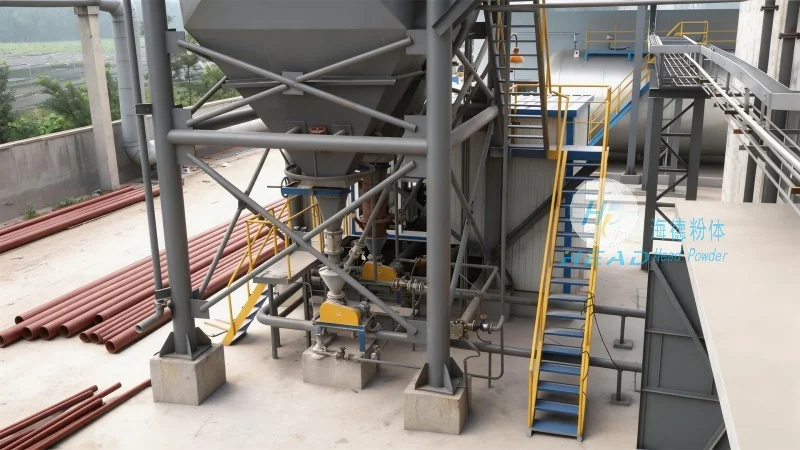
A biomass ash pneumatic conveying system is a mechanical system designed to transport biomass ash particles through a pipeline using a gas stream, typically air or a mixture of air and other gases. The system comprises several critical components, including a material feeder, a conveying line, a gas source (such as a blower or compressor), and a control system. The material feeder is responsible for feeding biomass ash into the conveying line at a controlled rate, while the gas source provides the necessary pressure and velocity to move the material through the pipeline. The conveying line itself is often made of materials resistant to corrosion and abrasion, such as stainless steel or high-density polyethylene, to withstand the harsh conditions of biomass ash transport.
The design of a biomass ash pneumatic conveying system is guided by several key principles aimed at optimizing performance, minimizing energy consumption, and ensuring long-term reliability. One of the primary design considerations is the selection of the appropriate gas velocity. The gas velocity must be high enough to overcome the gravitational forces acting on the biomass ash particles and to prevent particle deposition or blockage in the pipeline. However, excessively high gas velocities can lead to increased energy consumption and wear on the system components. Therefore, an optimal gas velocity is determined based on the particle size, density, and flow rate of the biomass ash, as well as the pipeline diameter and length.
Another critical design principle is the selection of the conveying line diameter. The diameter of the pipeline directly impacts the pressure drop and energy requirements of the system. A larger diameter reduces the pressure drop, allowing for longer conveying distances with lower energy consumption. Conversely, a smaller diameter increases the pressure drop, which may require a more powerful gas source or result in reduced conveying capacity. The design must balance the conveying distance, material flow rate, and energy efficiency to select the most suitable pipeline diameter.
The biomass ash pneumatic conveying system equipment includes several essential components, each playing a vital role in the overall operation. The material feeder, often a rotary valve or a screw feeder, ensures a consistent and controlled feed of biomass ash into the conveying line. This component prevents material buildup and maintains a steady flow rate, which is crucial for system stability. The gas source, typically a centrifugal blower or a positive displacement compressor, generates the necessary pressure and flow rate to move the biomass ash particles. The blower or compressor is selected based on the required pressure and volume, and its capacity is matched to the system's conveying requirements to avoid underperformance or excessive energy use.
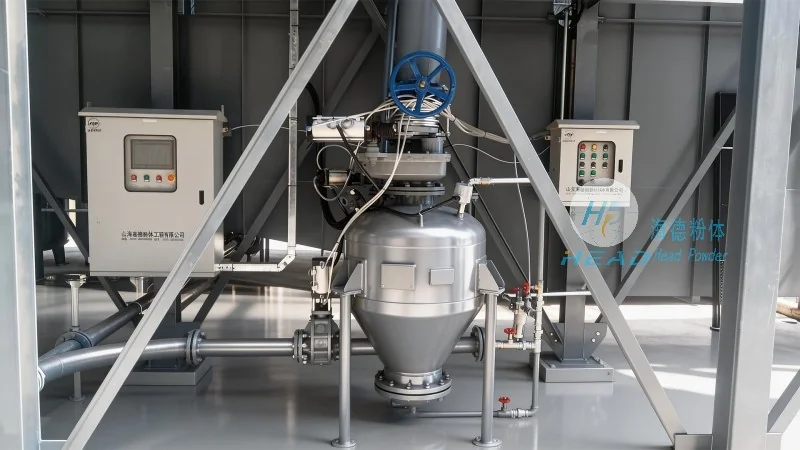
The conveying line, as mentioned earlier, is constructed from materials that can withstand the abrasive nature of biomass ash. Stainless steel is commonly used for its corrosion resistance and durability, while high-density polyethylene is preferred for its lightweight and cost-effectiveness in certain applications. The pipeline is usually equipped with bends, elbows, and straight sections, which are designed to minimize pressure losses and maintain the flow of material. The use of smooth, non-porous surfaces in the pipeline reduces friction and prevents particle accumulation, enhancing the system's efficiency.
To ensure the reliable and efficient operation of the biomass ash pneumatic conveying system, a robust control and monitoring system is essential. This system typically includes sensors and controllers that monitor parameters such as pressure, flow rate, and material level. Pressure sensors are installed along the conveying line to detect any blockages or pressure drops, which may indicate a problem with the material flow or system performance. Flow rate sensors help maintain a consistent material feed rate, preventing overloading or underloading of the system. Material level sensors in the hopper or storage silo provide feedback to the feeder, ensuring that the material is fed at the correct rate to match the conveying capacity.
The control system uses this data to adjust the gas source's output or the feeder's speed, maintaining optimal operating conditions. For example, if the pressure in the pipeline drops, the system may increase the gas flow rate to restore the pressure. Similarly, if the material level in the hopper is low, the feeder speed may be adjusted to maintain a steady feed. This closed-loop control system enhances the system's responsiveness and reduces the risk of operational issues, ensuring consistent performance over time.
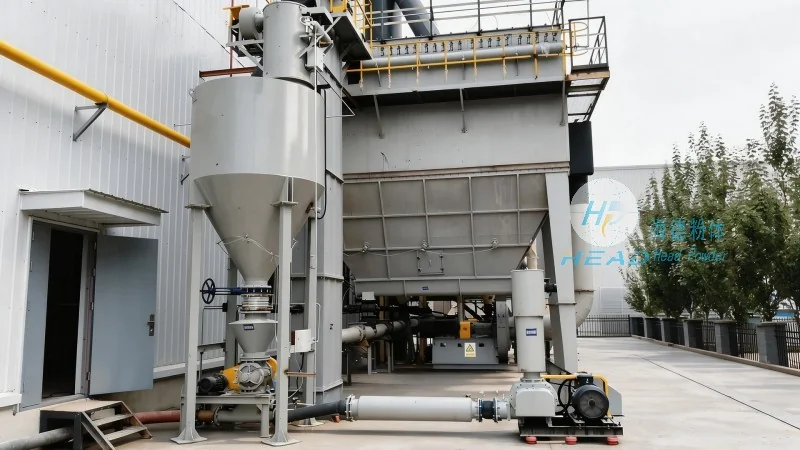
Biomass ash pneumatic conveying systems are widely used in various industries, including power generation, biomass processing, and waste management. In power plants, these systems are employed to transport biomass ash from the boiler to storage silos or disposal sites, facilitating the efficient handling of byproducts. In biomass processing facilities, the systems help move ash from combustion chambers to processing equipment, enabling the recovery of valuable components or the proper disposal of waste. The benefits of using pneumatic conveying systems for biomass ash include reduced labor costs, minimized material handling time, and improved safety compared to manual or mechanical handling methods.
Furthermore, pneumatic conveying systems offer environmental advantages by reducing dust emissions and minimizing the risk of material contamination. The enclosed pipeline design prevents ash particles from being released into the environment, improving air quality and compliance with environmental regulations. The systems also contribute to energy efficiency by using less energy compared to traditional mechanical conveying methods, such as belt conveyors or bucket elevators, especially for fine or abrasive materials like biomass ash.
Biomass ash pneumatic conveying systems represent a sophisticated and efficient solution for handling biomass ash, combining advanced engineering principles with robust system design. The key to their success lies in the careful consideration of design parameters, such as gas velocity, pipeline diameter, and material properties, to ensure optimal performance and reliability. The integration of control and monitoring systems further enhances the system's operational efficiency and reduces the risk of downtime.
Shandong HeadPowder Engineering Co., Ltd., a leading manufacturer of pneumatic conveying systems, specializes in providing customized solutions for biomass ash and other fine materials. With a focus on innovation and quality, the company designs and manufactures systems that meet the specific needs of its clients, ensuring reliable and efficient material transport. HeadPowder's expertise in material handling technology, combined with its commitment to customer satisfaction, makes it a trusted partner for industries seeking advanced pneumatic conveying solutions. Based in Shandong, China, the company leverages its local presence and technical capabilities to deliver high-performance systems that enhance operational efficiency and reduce costs for its clients.

 Shandong Headpowder Engineering Co., Ltd.
 156-6277-7102(Manager Zhang)
  0531-83386006
  Zhangqiu District, Jinan City, Shandong Province, China
telephone
WeChatconsult
top