With more than 10‑year industry experience, Shandong Headpowder delivers full‑service pneumatic‑conveying systems and blowers, undertaking nationwide turn‑key powder‑handling projects.
For businesses in the flour processing industry, efficient and reliable material handling is crucial to maintaining production efficiency and product quality. A key solution for this is the flour pneumatic conveying system, which uses air to transport flour and other powders. This article, presented by Shandong HeadPowder Engineering Co., Ltd. (headpowder), will explore what a flour pneumatic conveying system equipment is and delve into its design principles, providing a comprehensive overview for industry professionals.
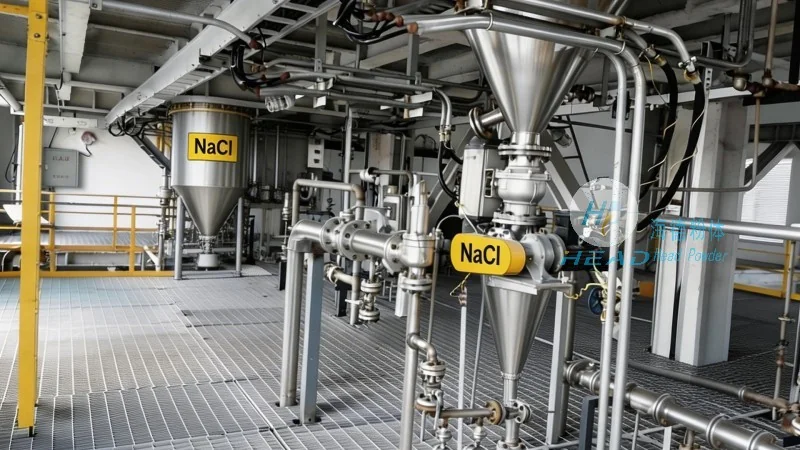
A flour pneumatic conveying system equipment is a specialized device designed to transport dry powders, such as flour, through a pipeline using air pressure. The system typically consists of several components, including a hopper for material storage, a blower or air compressor to generate airflow, a pipeline network to guide the material, and a discharge outlet for the material to be released at the destination. The equipment is engineered to handle the unique properties of flour, such as its fine particle size and potential for static electricity, ensuring safe and efficient transport.
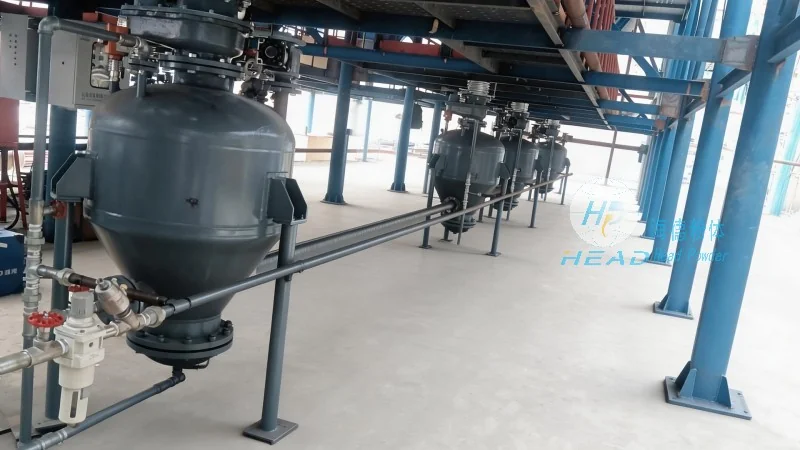
The effectiveness of a flour pneumatic conveying system relies on its well-designed components. The hopper, often equipped with a rotary valve or gate valve, serves as the material inlet, controlling the flow of flour into the system. The blower or air compressor provides the necessary air pressure to move the material through the pipeline. The pipeline network, usually made of stainless steel or other corrosion-resistant materials, is designed to minimize material degradation and prevent clogging. Additionally, the system may include filters and cyclones to separate the air from the material, ensuring that the flour remains clean and free from contaminants.
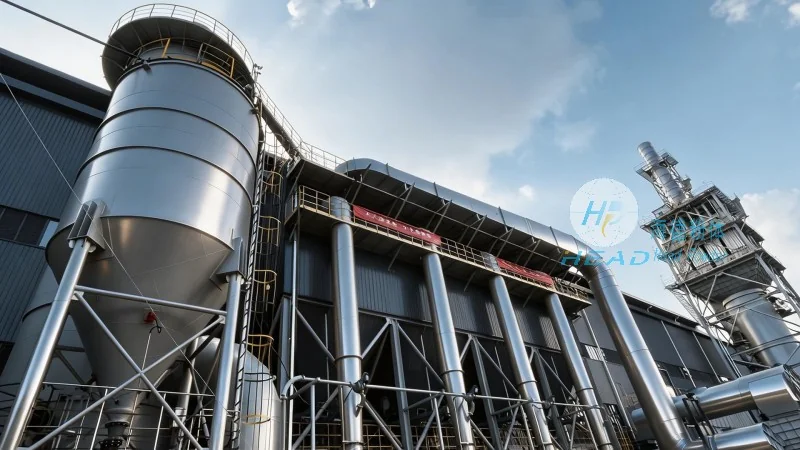
The design principles of a flour pneumatic conveying system are critical to its performance and efficiency. One of the primary principles is maintaining a consistent airflow rate, which is essential for preventing material buildup and ensuring smooth transport. The system's design must also consider the particle size and density of the flour, as these factors influence the required air velocity and pressure. Another key principle is the prevention of material degradation, which can be achieved through the use of gentle conveying methods, such as dilute phase or dense phase systems, and by minimizing the distance and number of bends in the pipeline. Furthermore, the system must be designed to handle potential issues like static electricity, which can cause material buildup and affect the system's performance.
Implementing a flour pneumatic conveying system offers numerous benefits for flour processing operations. Firstly, it provides a dust-free and hygienic method of material handling, which is essential for maintaining product quality and meeting regulatory standards. Secondly, the system is highly efficient, as it can transport large quantities of flour over long distances with minimal labor and energy consumption. Thirdly, the equipment is versatile and can be adapted to various production needs, from small-scale operations to large industrial facilities. Finally, the system reduces the risk of material contamination and spoilage, which can lead to significant cost savings and improved product consistency.
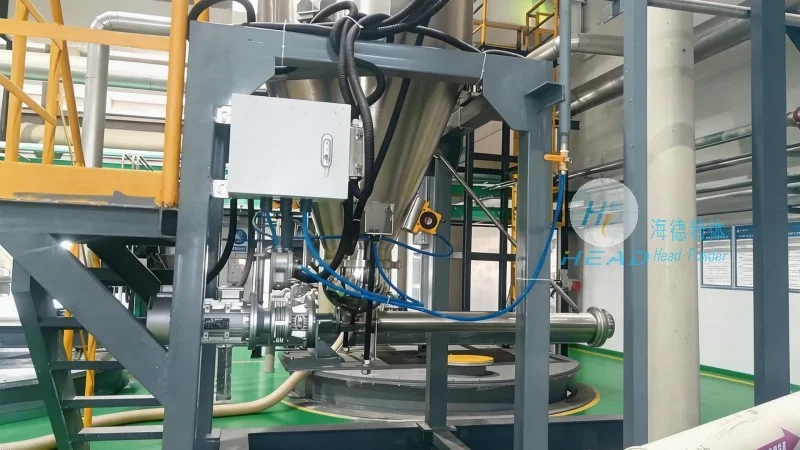
When selecting a flour pneumatic conveying system, it is important to consider the specific needs of your operation, including the volume of flour to be transported, the distance to be covered, and the desired level of efficiency. By understanding the design principles and components of the system, you can make an informed decision that will enhance your production capabilities and ensure long-term success. Whether you are a small-scale flour mill or a large industrial facility, a well-designed flour pneumatic conveying system can provide the reliable and efficient material handling solution you need.

 Shandong Headpowder Engineering Co., Ltd.
 156-6277-7102(Manager Zhang)
  0531-83386006
  Zhangqiu District, Jinan City, Shandong Province, China
telephone
WeChatconsult
top