With more than 10‑year industry experience, Shandong Headpowder delivers full‑service pneumatic‑conveying systems and blowers, undertaking nationwide turn‑key powder‑handling projects.
For industrial professionals working with diatomite, understanding the technology behind its transport is essential. The diatomite pneumatic conveying system is specialized equipment designed to move this natural sedimentary rock efficiently and safely. This article explores what this system entails and the design principles governing its operation, offering insights into its functionality and importance in industrial processes.
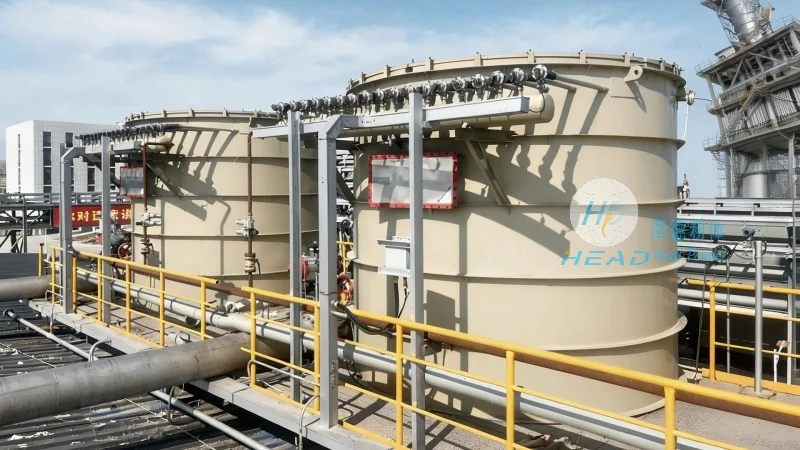
A diatomite pneumatic conveying system is a type of equipment used to transport diatomite—a fossilized diatom sedimentary rock—through a pipeline using air or gas as the conveying medium. Widely utilized in sectors like pharmaceuticals, food processing, and chemical manufacturing (where diatomite serves as a filter aid, abrasive, or filler), this system moves material from a storage or processing point to a destination (e.g., silo, reactor, or packaging area) without mechanical components like belts or buckets.
The system comprises several critical parts working in unison: the material feeder (introduces diatomite), the conveying pipeline (carries material-air mixture), the air supply system (provides pressure/flow), the separation/collection equipment (separates diatomite from air and collects it), and the control system (monitors/regulates operation). Each component is tailored to handle diatomite’s physical properties—such as particle size, density, and moisture—to ensure optimal performance.
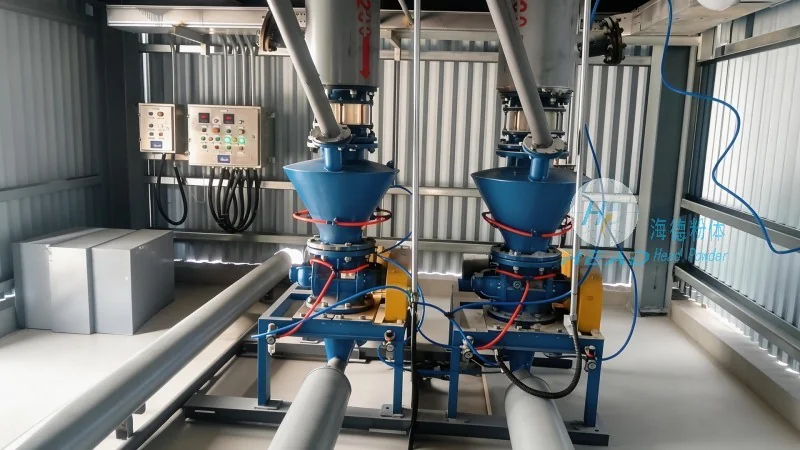
Designing a diatomite pneumatic conveying system relies on principles aligned with material physics and operational efficiency. Critical factors include diatomite’s physical characteristics (affecting pressure drop, flow rate), conveying distance and vessel height (influencing air pressure/power needs), and dust management (ensuring air quality compliance). Engineers must balance these variables to achieve reliable, low-energy transport.
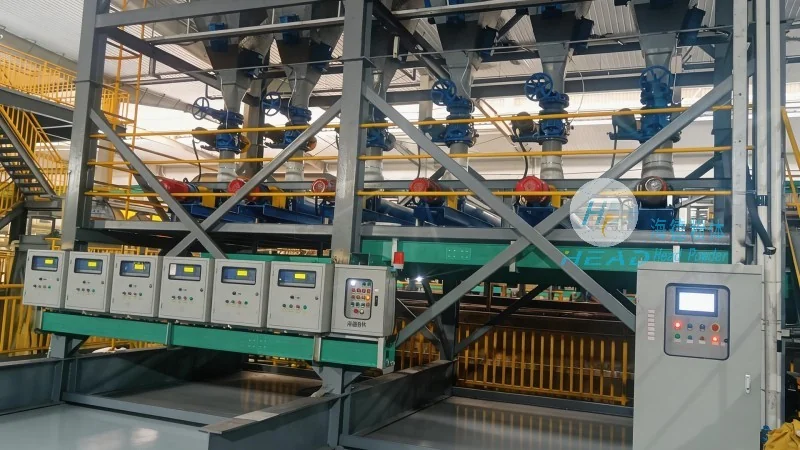
The diatomite pneumatic conveying system offers distinct benefits: closed-loop transport reduces dust emissions and enhances workplace safety; high efficiency minimizes energy use compared to traditional methods; and flexibility allows seamless integration into existing industrial workflows, boosting productivity.
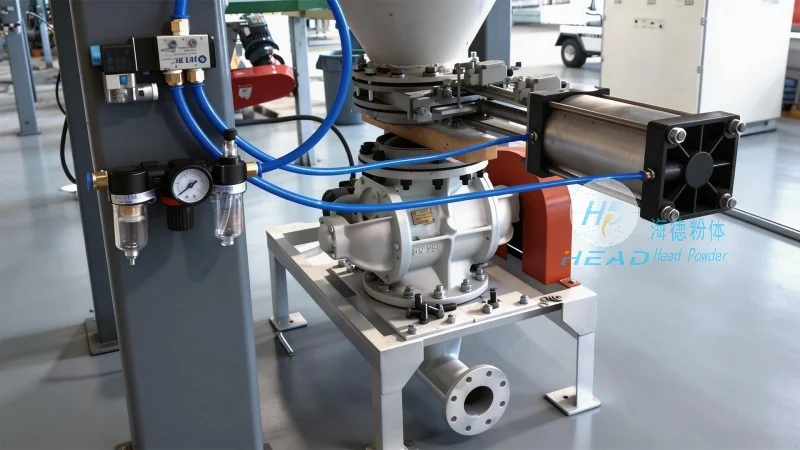
Common applications include pharmaceutical filter aid production, food processing as an ingredient, and chemical manufacturing as a filler/abrasive. In each case, the system ensures consistent, hygienic material flow, critical for maintaining product quality and regulatory compliance.
In summary, the diatomite pneumatic conveying system is a vital tool for industries reliant on diatomite. Its design, rooted in engineering principles and tailored to diatomite’s unique properties, ensures efficient, reliable transport. Understanding these elements helps industrial operators optimize implementation and maximize operational benefits.

 Shandong Headpowder Engineering Co., Ltd.
 156-6277-7102(Manager Zhang)
  0531-83386006
  Zhangqiu District, Jinan City, Shandong Province, China
telephone
WeChatconsult
top