With more than 10‑year industry experience, Shandong Headpowder delivers full‑service pneumatic‑conveying systems and blowers, undertaking nationwide turn‑key powder‑handling projects.
Food pneumatic conveying systems represent a critical technology in the food processing sector, enabling the efficient and hygienic transport of bulk food materials. These systems utilize air or gas as the primary medium to move materials through a closed pipeline, offering a solution that is both flexible and effective for handling a wide range of food products. Unlike traditional mechanical conveyors, which rely on physical contact and moving parts, pneumatic systems minimize product contamination and degradation, making them ideal for sensitive food items such as powders, granules, and pastes. As a result, they play a vital role in maintaining product quality and ensuring compliance with stringent food safety regulations.
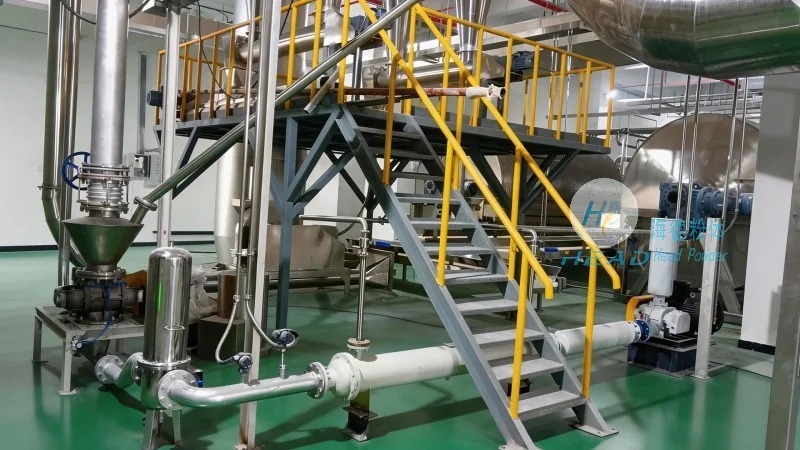
The design of a food pneumatic conveying system is built around several essential components, each contributing to the overall functionality of the system. The primary components include a material hopper, which stores the food product to be conveyed; a pipeline system, typically made of food-grade stainless steel, that forms the path for material transport; a blower or air compressor, which generates the necessary air flow to create the pressure differential; and a discharge outlet, where the material is released at the destination. The working principle is based on the creation of a pressure gradient: when air is introduced into the pipeline, it creates a flow that lifts and propels the food particles forward. This process is often categorized into two main types: suction (or vacuum) systems, which draw material from the source, and pressure systems, which push material from the source. The choice between these systems depends on factors such as the material's properties, the distance to be conveyed, and the desired flow rate.
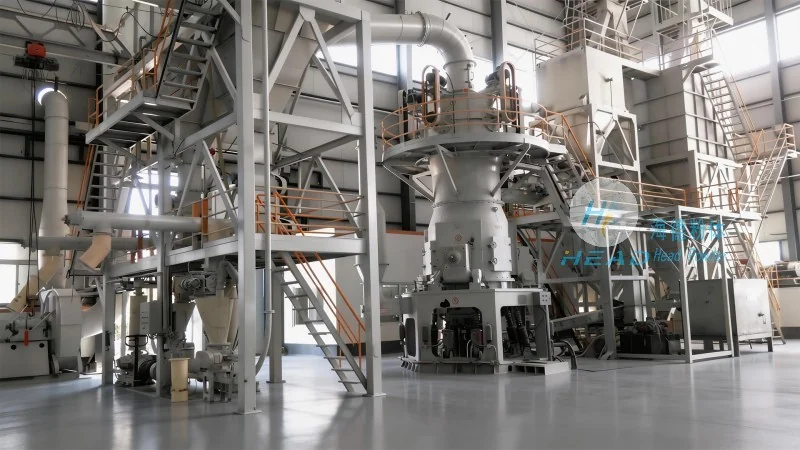
Designing an effective food pneumatic conveying system requires a careful balance of several key factors to ensure optimal performance, reliability, and compliance with industry standards. First, material compatibility is paramount: all components, including the hopper, pipeline, and discharge equipment, must be constructed from materials that are food-grade, non-toxic, and easy to clean, such as 316L stainless steel. This ensures that the system does not introduce contaminants into the food product and can be sanitized effectively between batches. Second, air flow management is critical: the system must be engineered to maintain a consistent air velocity that matches the material's characteristics, such as particle size, density, and moisture content. Proper air flow prevents issues like blockages, uneven material distribution, or excessive wear on components. Third, system layout and pipeline design are essential for minimizing energy consumption and maximizing efficiency. This includes optimizing the number of bends and changes in direction, as excessive turns can cause turbulence and reduce the system's overall performance. Additionally, incorporating air filtration and dust collection systems is necessary to maintain air quality and comply with environmental regulations, ensuring that the system operates in a safe and sustainable manner.
Food pneumatic conveying systems find widespread application across various segments of the food industry, including the production of bakery products, dairy items, snack foods, and pharmaceuticals. In bakery operations, for example, these systems are used to transport ingredients like flour, sugar, and spices from storage silos to mixing and baking lines, ensuring a consistent and hygienic supply of raw materials. In dairy processing, they help move milk powders, whey, and other dairy products from storage tanks to processing equipment, maintaining the integrity of the product. Similarly, in snack food manufacturing, pneumatic conveyors are employed to transport ingredients such as nuts, seeds, and seasonings, enabling efficient production of products like chips, crackers, and pretzels. The flexibility of pneumatic systems allows them to be integrated into existing production lines, reducing the need for manual handling and improving overall operational efficiency. By automating material transport, these systems also enhance workplace safety by minimizing the risk of accidents associated with manual lifting and moving of heavy or bulky food products.
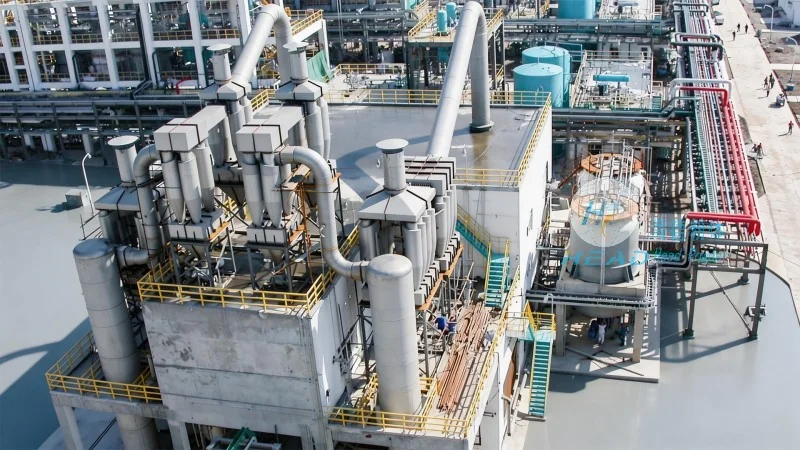
Shandong HeadPowder Engineering Co., Ltd., commonly referred to as HeadPowder, is a prominent manufacturer specializing in the design, development, and supply of advanced food processing equipment, with a particular focus on pneumatic conveying systems. HeadPowder has established itself as a trusted partner for food manufacturers worldwide, delivering high-quality, customized solutions that meet the unique demands of the industry. The company's headquarters and main production facility are located in Shandong, China, where it operates a state-of-the-art manufacturing base equipped with modern machinery and advanced quality control systems. HeadPowder's team of experienced engineers and technicians leverages cutting-edge technology and industry expertise to design systems that are not only efficient but also compliant with international food safety standards, such as those set by the FDA and EU regulations. The company's commitment to customer satisfaction is reflected in its comprehensive after-sales support, including installation, training, and maintenance services, ensuring that clients can maximize the performance and lifespan of their equipment. Through continuous innovation and a customer-centric approach, HeadPowder remains at the forefront of the food processing equipment market, providing reliable solutions that help food manufacturers enhance productivity and maintain product quality.

 Shandong Headpowder Engineering Co., Ltd.
 156-6277-7102(Manager Zhang)
  0531-83386006
  Zhangqiu District, Jinan City, Shandong Province, China
telephone
WeChatconsult
top