With more than 10‑year industry experience, Shandong Headpowder delivers full‑service pneumatic‑conveying systems and blowers, undertaking nationwide turn‑key powder‑handling projects.
Efficient material handling is a critical aspect of industrial operations, especially when dealing with bulk materials like sawdust and husks. Pneumatic conveying systems offer a reliable solution for transporting these materials over short to medium distances, minimizing the need for traditional mechanical conveyors and reducing operational costs. This article delves into the technical nuances of negative pressure and positive pressure pneumatic conveying, exploring their applications in the sawdust and husk industry, and highlighting the expertise of Shandong HeadPowder Engineering Co., Ltd. (referred to as HeadPowder) in implementing these technologies.
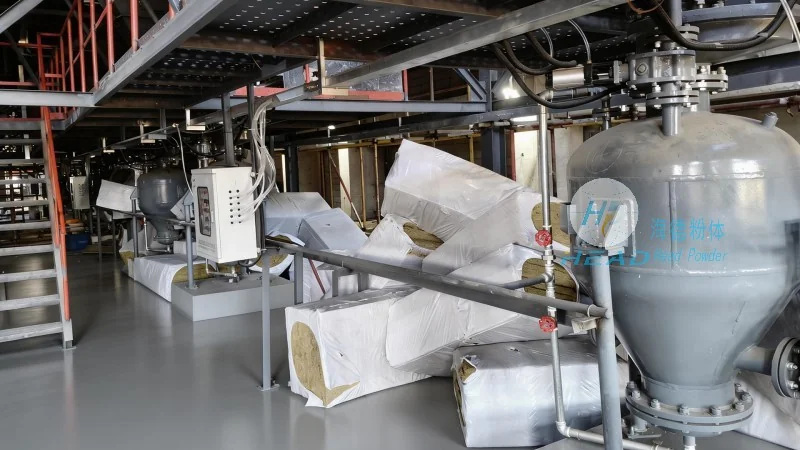
Pneumatic conveying systems utilize air or gas to transport particulate materials through a pipeline. The two primary types are negative pressure (or vacuum) and positive pressure systems. Each has distinct characteristics that make them suitable for different operational requirements. Negative pressure systems operate by creating a vacuum in the pipeline, drawing material from the source into the system. Conversely, positive pressure systems force air or gas through the pipeline, pushing material from the source to the destination. The choice between these systems depends on factors such as material properties, distance, and environmental considerations.
One of the most significant differences between negative and positive pressure systems lies in their operational principles and the impact on material handling. Negative pressure systems are generally more suitable for applications where the material is to be collected from multiple sources or where the receiving end is at a lower elevation than the source. This is because the vacuum created draws material into the system, making it ideal for dust collection and material recovery. On the other hand, positive pressure systems are better suited for applications requiring high material flow rates, longer distances, or where the material is sensitive to moisture or contamination. They are often preferred in industries where the material needs to be transported to a higher elevation or over longer distances.
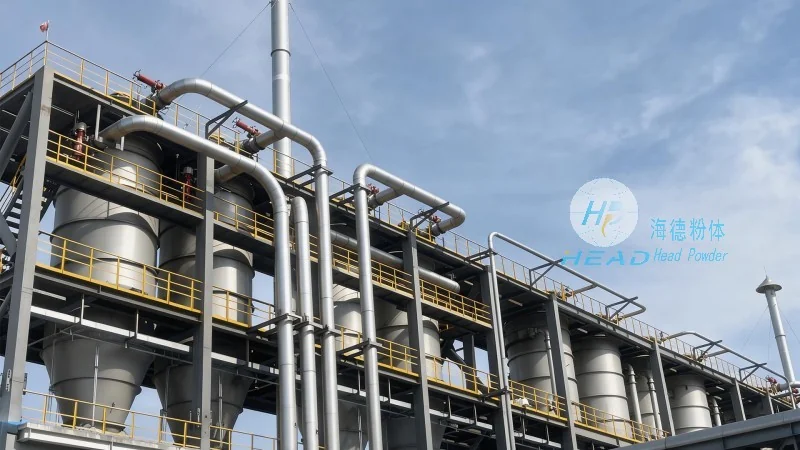
Negative pressure pneumatic conveying is widely used in the sawdust and husk industry for tasks such as dust collection from processing equipment, material recovery from storage silos, and transporting material from one processing stage to another. The vacuum created in the system ensures that fine particles are efficiently captured and transported, minimizing the risk of dust dispersion into the environment. This makes it an environmentally friendly option for industries where air quality is a concern. Additionally, negative pressure systems are relatively simple to install and maintain, as they do not require high-pressure air compressors, which can be a significant advantage for smaller-scale operations.
Positive pressure pneumatic conveying is commonly employed in scenarios where high material throughput is required, such as in large-scale sawmill operations or biomass processing facilities. These systems are capable of transporting larger quantities of material over longer distances, often up to several hundred meters, without the need for intermediate transfer points. The high-pressure air or gas used in positive pressure systems ensures that material is moved efficiently and consistently, reducing the risk of blockages or material degradation. This makes them ideal for applications where the material is to be transported to a processing plant or storage facility at a higher elevation or over a significant distance.
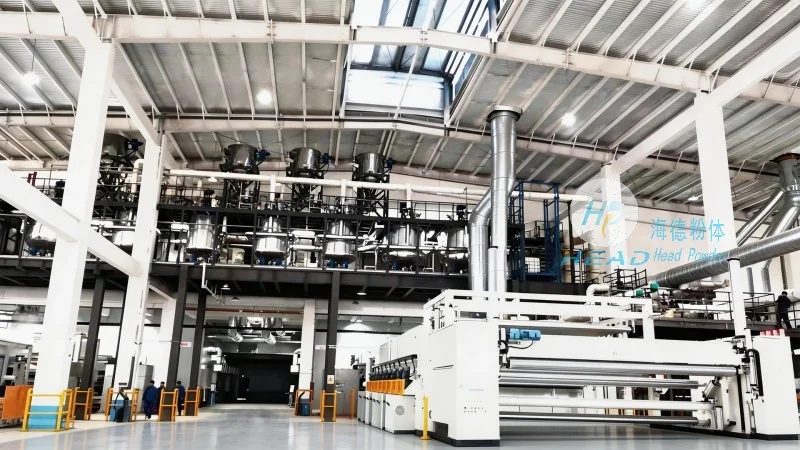
When selecting a pneumatic conveying system for sawdust and husk, several factors must be taken into account to ensure optimal performance and efficiency. The first consideration is the material's physical properties, including particle size, density, and moisture content. These factors influence the system's design, such as the pipeline diameter, air velocity, and the type of equipment used for material feeding and discharge. The second factor is the distance and elevation change between the source and destination. Longer distances or higher elevations may require more powerful air compressors or additional equipment to maintain material flow. The third factor is the operational environment, including the need for dust control or environmental compliance. Negative pressure systems are often preferred for dust collection and environmental reasons, while positive pressure systems are better for high-volume, long-distance transport.
Shandong HeadPowder Engineering Co., Ltd. specializes in designing, manufacturing, and installing customized pneumatic conveying systems tailored to the specific needs of the sawdust and husk industry. With years of experience in the field, HeadPowder has developed a deep understanding of the technical challenges associated with handling these materials and has developed innovative solutions to address them. The company's team of engineers and technicians work closely with clients to assess their operational requirements, material characteristics, and budget constraints to design a system that maximizes efficiency and minimizes downtime.
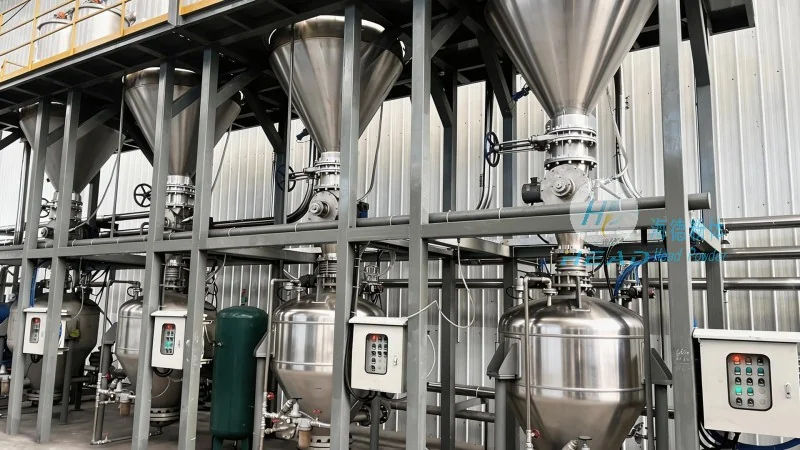
HeadPowder offers a range of customized solutions for negative and positive pressure pneumatic conveying, including vacuum and pressure systems, as well as hybrid systems that combine the benefits of both. The company's solutions are designed to handle various types of sawdust and husk, from fine particles to larger chunks, and can be adapted to different processing stages, such as drying, grinding, or packaging. Additionally, HeadPowder provides comprehensive after-sales support, including maintenance, repair, and technical assistance, to ensure that the systems operate at peak performance throughout their lifespan.
In conclusion, pneumatic conveying systems, whether negative or positive pressure, offer significant advantages in the sawdust and husk industry by improving material handling efficiency, reducing operational costs, and minimizing environmental impact. The choice between these systems depends on the specific operational requirements, material properties, and environmental considerations. With its expertise and commitment to quality, Shandong HeadPowder Engineering Co., Ltd. provides reliable and customized solutions that help clients optimize their material transport processes and achieve their business objectives.

 Shandong Headpowder Engineering Co., Ltd.
 156-6277-7102(Manager Zhang)
  0531-83386006
  Zhangqiu District, Jinan City, Shandong Province, China
telephone
WeChatconsult
top