

What is a Petroleum Coke Powder Material Pneumatic Conveying Line? What Are Its Design Principles?
When it comes to efficiently transporting petroleum coke powder, a specialized system known as a pneumatic conveying line is often employed. This technology offers a reliable and effective method for moving bulk materials like petroleum coke powder over short to medium distances, ensuring minimal dust generation and operational efficiency. Understanding the components and design principles behind such a system is crucial for industries relying on consistent material handling solutions.
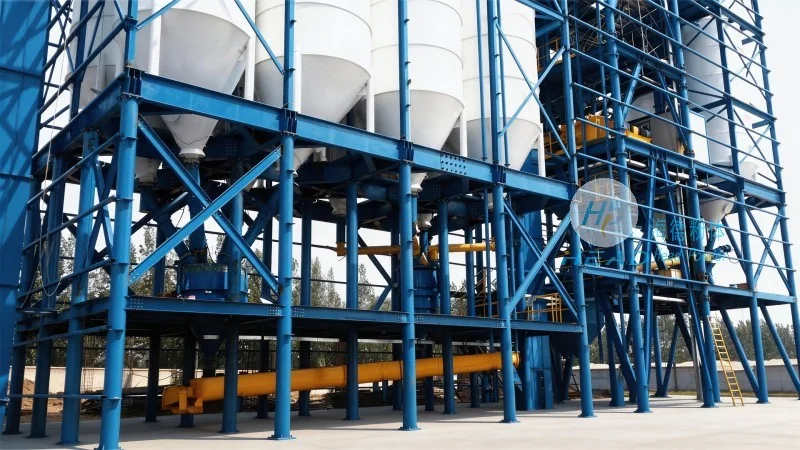
Pneumatic Conveying Line: An Overview
A pneumatic conveying line, specifically designed for petroleum coke powder, is a system that uses air or gas to transport particulate materials through a pipeline. The core components typically include a material feed hopper, a conveyor line (often with multiple sections), a dust collector, and a control system. The system operates by drawing the material into the pipeline using air pressure, which then propels the powder through the system to its destination. This method is particularly advantageous for handling fine powders like petroleum coke, as it minimizes the risk of material degradation and contamination compared to traditional mechanical conveying methods.
Key Design Principles for Petroleum Coke Powder Pneumatic Conveying
The design of a pneumatic conveying line for petroleum coke powder involves several critical principles to ensure optimal performance and reliability. First, the system must be engineered to handle the specific properties of petroleum coke powder, including its particle size, density, and flow characteristics. The pipeline diameter and material are carefully selected to prevent blockages and ensure smooth material flow. For instance, larger particles may require a larger pipeline diameter to avoid clogging, while smaller particles might necessitate a more efficient air-to-material ratio to maintain consistent conveying speeds.
Second, the air pressure and velocity within the system are critical design factors. The system must maintain an appropriate air velocity to prevent material settling or deposition on the pipeline walls. This is often achieved through the use of pressure or vacuum systems, depending on the application. Pressure systems are common for conveying materials from a lower to a higher elevation, while vacuum systems are used for material recovery or when the material needs to be transported from a higher to a lower level. The air-to-material ratio is another key parameter, as it directly impacts the conveying efficiency and energy consumption of the system.
Components and Their Roles in the Conveying System
The effectiveness of a petroleum coke powder pneumatic conveying line relies on the integration of several key components. The material feed hopper is responsible for storing and feeding the petroleum coke powder into the system. It is typically equipped with a feeder, such as a rotary valve or a screw feeder, to control the material flow rate. The hopper design must be airtight to prevent dust leakage and maintain consistent material supply.
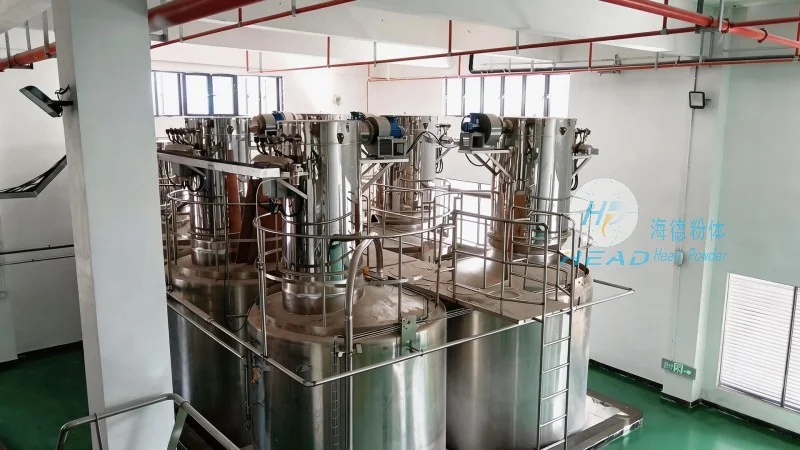
The conveyor line itself is the main pathway for material transport. It is usually made of stainless steel or other corrosion-resistant materials to withstand the abrasive nature of petroleum coke powder. The pipeline is often equipped with bends and elbows that are designed to minimize pressure losses and prevent material accumulation. To ensure smooth flow, the pipeline may include components like expansion joints and vibration dampers to accommodate thermal changes and reduce stress on the system.
The dust collector is a crucial component for maintaining air quality and preventing dust emissions. It is typically a baghouse or an electrostatic precipitator that captures the fine particles of petroleum coke powder from the exhaust air. The collected powder is then returned to the system or disposed of appropriately. The control system manages the operation of the entire conveying line, including the air pressure, material feed rate, and dust collection efficiency. It often includes sensors and indicators to monitor the system's performance and alert operators to any issues.
Benefits of Using a Pneumatic Conveying Line for Petroleum Coke Powder
Implementing a pneumatic conveying line for petroleum coke powder offers numerous benefits for industrial applications. One of the primary advantages is the reduction in dust generation and associated health and safety risks. Unlike mechanical conveying methods, which can produce significant dust, pneumatic systems minimize exposure to airborne particles, improving workplace safety and compliance with environmental regulations. Additionally, the system provides a closed-loop operation, which helps prevent material contamination and loss, ensuring product quality and consistency. For industries seeking reliable and efficient material handling solutions, the pneumatic conveying line offered by Shandong HeadPowder Engineering Co., Ltd. provides a robust and adaptable system that meets the demands of modern production environments.
Another significant benefit is the flexibility and scalability of the system. Pneumatic conveying lines can be easily modified or expanded to accommodate changes in production volume or material handling requirements. They can transport materials over varying distances, from short in-plant transfers to longer-distance applications, making them suitable for a wide range of industrial settings. The system also offers energy efficiency compared to traditional methods, as it can use less power while maintaining high conveying speeds.
Furthermore, the use of a pneumatic conveying line for petroleum coke powder can enhance operational efficiency and reduce downtime. By eliminating the need for manual handling and reducing the risk of material blockages, the system ensures continuous and reliable material transport. This leads to improved productivity and reduced maintenance costs over time. The system's ability to handle fine powders without degradation also contributes to higher product quality and reduced waste.
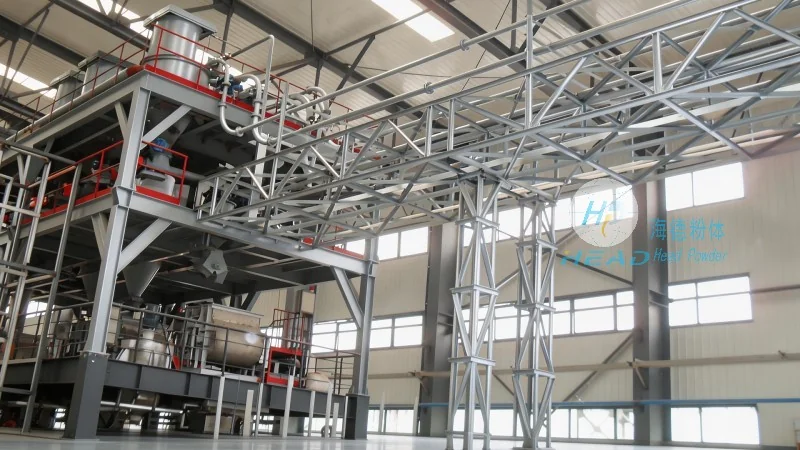
Application Examples and Industry Use Cases
Pneumatic conveying lines for petroleum coke powder are widely used in various industrial sectors, including the petrochemical industry, steel production, and power generation. In the petrochemical industry, these systems are used to transport petroleum coke from storage silos to processing units, ensuring a steady supply of raw material for coke production. In steel plants, the system is employed to move petroleum coke to blast furnaces or other processing equipment, where it is used as a fuel or reducing agent. In power generation facilities, the line transports petroleum coke to boilers, where it is burned to generate electricity.
Each application requires a customized design of the pneumatic conveying line to meet specific operational needs. For example, in a steel plant, the system may need to handle larger quantities of petroleum coke and operate under higher temperatures, necessitating the use of heat-resistant materials and components. In a power generation facility, the system may need to be designed for continuous operation with minimal downtime, requiring robust and reliable components.
The versatility of pneumatic conveying lines makes them suitable for a variety of other applications, such as in the production of carbon black, where fine powders need to be transported without contamination. The system's ability to handle different particle sizes and flow rates allows it to adapt to diverse industrial requirements, making it a preferred choice for material handling in many sectors.
Considerations for Design and Installation
When designing and installing a pneumatic conveying line for petroleum coke powder, several factors must be considered to ensure optimal performance and longevity. First, the system must be designed to handle the specific properties of petroleum coke powder, including its particle size distribution, moisture content, and flowability. The material of construction is critical, as petroleum coke powder can be abrasive and corrosive. Stainless steel or other corrosion-resistant materials are commonly used for the pipeline and components to prevent wear and degradation.