

[CALCIUM OXIDE POWDER PNEUMATIC CONVEYING TECHNOLOGY: IN-DEPTH ANALYSIS OF NEGATIVE PRESSURE AND POS
Calcium oxide, commonly known as quicklime, is a critical industrial material widely used in various sectors such as construction, chemical manufacturing, and environmental treatment. The efficient and reliable transportation of calcium oxide powder is essential for maintaining production efficiency and ensuring product quality. Pneumatic conveying technology has emerged as a preferred method for handling this fine powder, offering advantages over traditional mechanical conveying systems. This article provides a comprehensive exploration of calcium oxide powder pneumatic conveying, focusing on the technical aspects of both negative pressure and positive pressure systems, along with practical applications and considerations for implementation.
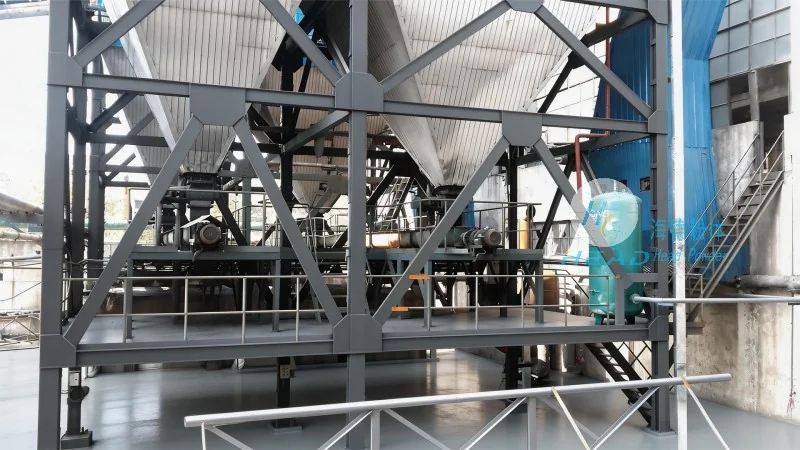
Company Introduction: Shandong HeadPowder Engineering Co., Ltd.
Shandong HeadPowder Engineering Co., Ltd., operating under the brand name headpowder, is a leading provider of specialized pneumatic conveying solutions. With a strong commitment to innovation and customer satisfaction, the company has established itself as a trusted partner in the industrial material handling sector. HeadPowder leverages advanced engineering expertise and decades of industry experience to design, manufacture, and implement customized pneumatic conveying systems tailored to the unique requirements of clients. The company's headquarters is located in Shandong, China, where it maintains state-of-the-art research and development facilities to continuously enhance its product offerings and technical capabilities.
Negative Pressure Pneumatic Conveying for Calcium Oxide Powder
Negative pressure, or vacuum, pneumatic conveying systems are widely utilized for the transport of calcium oxide powder due to their ability to handle fine powders and minimize dust emissions. In this system, a vacuum is created at the receiving end, drawing the powder from the source to the destination. The primary components of a negative pressure system include a vacuum pump, a filter, and a conveying line. The vacuum pump generates the necessary suction force, while the filter ensures that the conveyed powder is separated from the air stream, preventing contamination and ensuring product purity. This method is particularly effective for short to medium-distance conveying applications, where the powder is sourced from a hopper or silo and transported to a processing unit or storage facility.
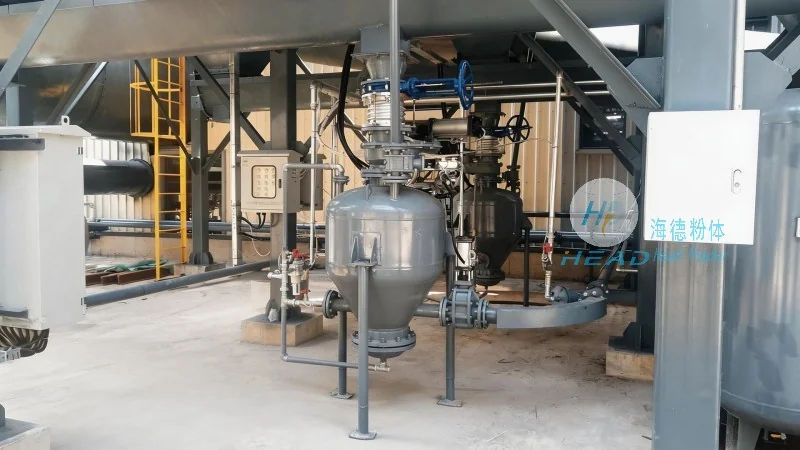
The operation of a negative pressure system involves several key steps. First, the vacuum pump is activated, creating a pressure differential between the source and the destination. The powder is then drawn into the conveying line through the hopper or silo, where it is mixed with the air stream. The mixture travels through the pipeline to the receiving end, where the powder is separated from the air by the filter. The filtered powder is collected in a container, while the air is either recirculated or discharged. Negative pressure systems are known for their low noise levels and relatively simple maintenance requirements, making them suitable for applications where dust control and quiet operation are critical.
Positive Pressure Pneumatic Conveying for Calcium Oxide Powder
Positive pressure, or pressure, pneumatic conveying systems are another common approach for calcium oxide powder handling. Unlike negative pressure systems, these systems use compressed air to push the powder through the conveying line. The positive pressure system operates by introducing high-pressure air into the source hopper, which forces the powder into the pipeline. The primary components of a positive pressure system include a blower, a hopper, and a conveying line. The blower provides the necessary pressure to move the powder, while the hopper serves as the storage and feeding unit. This method is often preferred for longer-distance conveying applications, as the pressure can be maintained over greater distances without significant loss.

The operation of a positive pressure system involves the introduction of compressed air into the hopper, creating a pressure differential that propels the powder forward. The powder is then carried through the pipeline by the air stream, which may include additional air for dilution or to maintain flow. At the receiving end, the powder is separated from the air using a filter or cyclone separator. Positive pressure systems are typically more robust and capable of handling larger quantities of powder, making them suitable for high-volume production environments. However, they may require more complex filtration systems to manage the higher air volumes and potential for dust generation.
Key Considerations and Applications
When selecting between negative and positive pressure pneumatic conveying systems for calcium oxide powder, several factors must be considered. The distance of the conveying line, the volume of powder to be transported, and the need for dust control are all critical variables. For short distances and applications where dust suppression is paramount, negative pressure systems are often the preferred choice. Conversely, for longer distances and high-volume operations, positive pressure systems may offer greater efficiency and reliability. Additionally, the physical properties of the calcium oxide powder, such as particle size and moisture content, can influence the choice of system, as finer powders may require more careful handling to prevent clogging or loss of material.
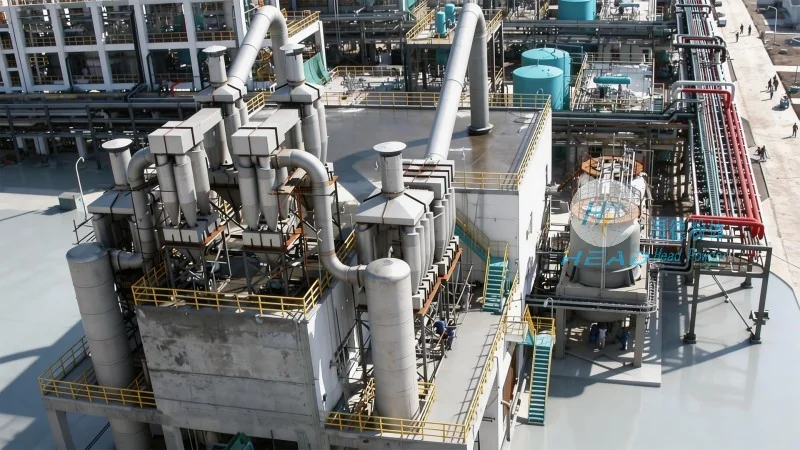
HeadPowder has extensive experience in designing and implementing both negative and positive pressure pneumatic conveying systems for calcium oxide powder. The company's engineers work closely with clients to assess their specific needs, including the source and destination locations, the required conveying capacity, and any environmental or operational constraints. By leveraging advanced simulation tools and field testing, HeadPowder ensures that the selected system meets all performance and safety standards. The company's solutions are designed to maximize efficiency, minimize downtime, and reduce operational costs, providing long-term value to its clients.
Conclusion
Pneumatic conveying technology plays a vital role in the efficient handling of calcium oxide powder, with both negative and positive pressure systems offering distinct advantages depending on the application requirements. Negative pressure systems excel in dust control and short-distance transport, while positive pressure systems provide greater capacity and suitability for longer distances. Shandong HeadPowder Engineering Co., Ltd. specializes in delivering customized pneumatic conveying solutions that address the unique challenges of calcium oxide powder handling. By combining technical expertise, innovative design, and rigorous testing, HeadPowder ensures that its clients achieve optimal performance and reliability in their material handling operations. For businesses seeking to enhance their calcium oxide powder transportation processes, HeadPowder offers a comprehensive range of solutions backed by decades of industry experience.