With more than 10‑year industry experience, Shandong Headpowder delivers full‑service pneumatic‑conveying systems and blowers, undertaking nationwide turn‑key powder‑handling projects.
Calcined lime, a critical material in industrial processes, often requires efficient and reliable transportation from storage to processing units. Pneumatic conveying systems offer a solution to this challenge, with negative pressure and positive pressure methods being the two primary approaches. This article delves into the technical aspects, operational principles, and practical applications of both negative and positive pressure pneumatic conveying for calcined lime, providing a comprehensive guide for industry professionals.
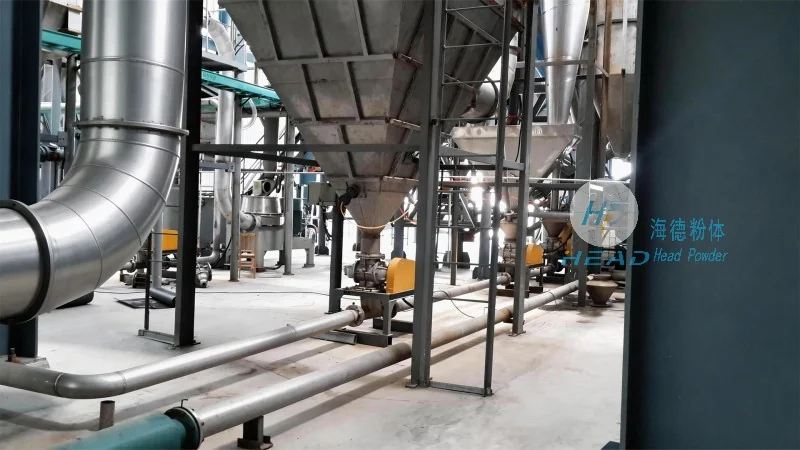
Negative pressure systems operate by creating a vacuum in the conveying line, drawing material from the source into the system. This method is particularly effective for handling fine powders like calcined lime, as it minimizes dust dispersion and ensures a clean transfer process. The system typically includes a suction hopper, a rotary airlock, and a receiver, with the vacuum pump maintaining the pressure differential. Key advantages include reduced material degradation, lower energy consumption compared to positive pressure systems, and suitability for long-distance or multi-point delivery. However, negative pressure systems may face challenges with moisture absorption and require careful maintenance to prevent air leaks, which could compromise efficiency.
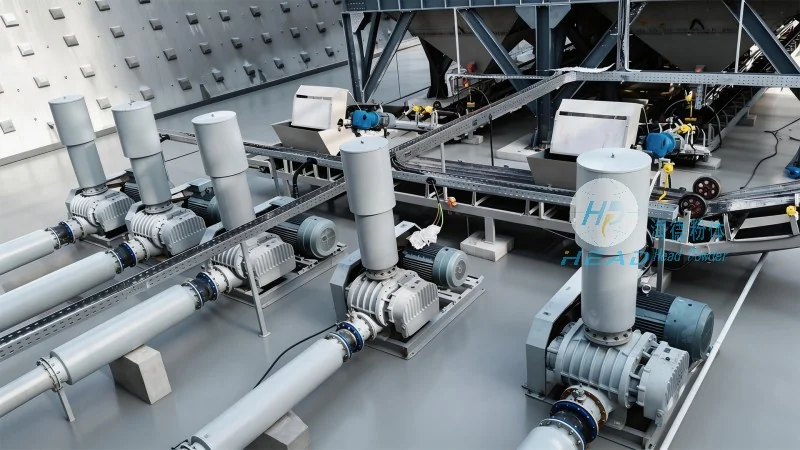
Positive pressure systems, conversely, use a blower or fan to force air and material through the conveying line. This approach is ideal for handling bulkier or more abrasive materials, as the higher pressure helps maintain material flow and prevents blockages. The system comprises a material feeder, a positive displacement blower, and a discharge point, with the pressure maintained by the blower. Advantages of positive pressure include higher conveying capacities, better control over material flow, and the ability to handle more challenging materials. However, these systems may generate more dust and require more robust equipment to withstand higher pressures, potentially leading to higher operational costs.
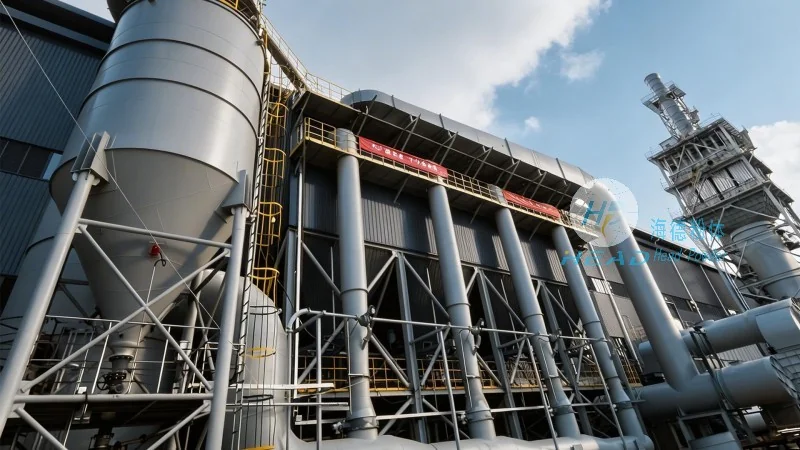
When selecting between negative and positive pressure systems for calcined lime, several factors must be considered. The material's particle size, moisture content, and flow characteristics are critical. For fine, dry calcined lime with low moisture, negative pressure may be preferred due to its gentler handling. Conversely, if the material is bulkier or has higher moisture, positive pressure could offer better performance. System design also involves choosing the appropriate blower or vacuum pump, ensuring proper line sizing to prevent pressure drops, and implementing dust collection systems to comply with environmental regulations. Proper maintenance, including regular cleaning of filters and checking for air leaks, is essential to maintain system efficiency and longevity.
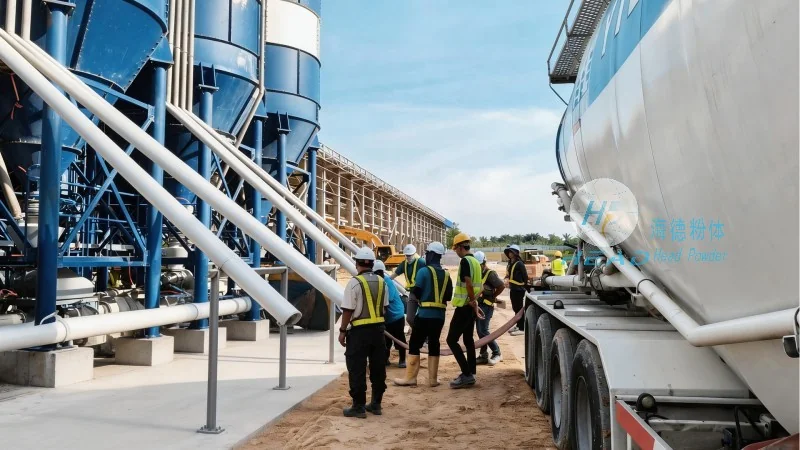
In industrial settings, calcined lime is commonly used in flue gas desulfurization, water treatment, and food processing. A typical application involves transporting calcined lime from a storage silo to a reactor in a power plant. Here, a negative pressure system might be employed to draw the fine powder from the silo, ensuring minimal dust exposure and maintaining the material's quality. Another example is in a chemical manufacturing facility, where positive pressure is used to convey bulkier calcined lime to a mixing unit, leveraging the system's higher capacity and flow control. These applications highlight the adaptability of pneumatic conveying systems to meet the diverse needs of calcined lime handling.
Negative pressure systems excel in maintaining material quality and reducing environmental impact, making them suitable for applications where dust control is paramount. They are also energy-efficient for shorter distances and lower material volumes. However, their limitations include potential moisture absorption and the need for careful system sealing to prevent air leaks. Positive pressure systems, on the other hand, offer higher conveying rates and better control over material flow, making them ideal for bulkier or more abrasive materials. Their drawbacks include higher energy consumption, increased dust generation, and the need for more robust equipment to handle higher pressures.
Selecting the appropriate pneumatic conveying method for calcined lime depends on a combination of material properties, operational requirements, and cost considerations. Negative pressure systems are often preferred for fine, dry materials where dust control and energy efficiency are key. Positive pressure systems are more suitable for bulkier or challenging materials requiring higher flow rates and better control. By understanding the technical principles and practical applications of both methods, industry professionals can make informed decisions to optimize calcined lime handling processes. The expertise of companies like Shandong HeadPowder Engineering Co., Ltd. plays a crucial role in designing and implementing these systems, ensuring efficient and reliable material transport in various industrial applications.

 Shandong Headpowder Engineering Co., Ltd.
 156-6277-7102(Manager Zhang)
  0531-83386006
  Zhangqiu District, Jinan City, Shandong Province, China
telephone
WeChatconsult
top