With more than 10‑year industry experience, Shandong Headpowder delivers full‑service pneumatic‑conveying systems and blowers, undertaking nationwide turn‑key powder‑handling projects.
Calcining ash, a byproduct of industrial processes such as cement production and metal smelting, requires efficient and reliable transport methods to manage its handling and disposal. Pneumatic conveying technology has emerged as a critical solution for moving calcining ash, offering advantages like reduced labor costs, minimized environmental impact, and enhanced safety compared to traditional methods like truck or belt conveyors. This article delves into the two primary pneumatic conveying systems—negative pressure (or vacuum) and positive pressure—and explores their applications, advantages, and considerations for calcining ash transport.
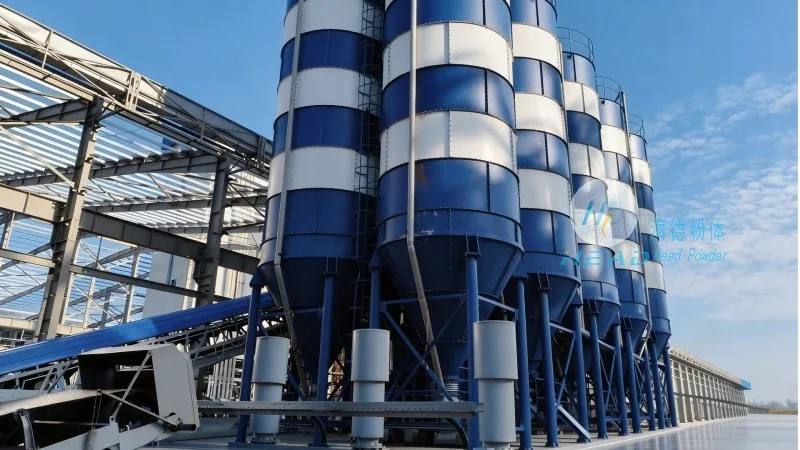
HeadPowder, or Shandong HeadPowder Engineering Co., Ltd., is a prominent provider of advanced pneumatic conveying systems tailored for industrial applications. With a focus on innovation and customer-centric solutions, the company specializes in designing, manufacturing, and implementing efficient systems for handling calcining ash and other bulk materials. HeadPowder’s expertise lies in optimizing material transport processes, ensuring compliance with industry standards, and delivering reliable performance in demanding environments. The company’s headquarters is located in Shandong, China, where it serves clients globally with customized solutions for their material handling needs.
Negative pressure systems operate by creating a vacuum at the material inlet, drawing calcining ash into the conveying line. This method is particularly effective for applications where the material needs to be collected from multiple sources or over long distances. The primary advantage of negative pressure systems is their ability to handle fine powders and prevent dust emissions, as the vacuum pulls material into the system rather than expelling it. However, these systems require careful design to avoid clogging and ensure consistent airflow. HeadPowder’s negative pressure systems are engineered with high-efficiency vacuum pumps and robust filtration systems, ensuring reliable operation and minimal maintenance. The technology is ideal for calcining ash with high moisture content or sensitive particle sizes, as it maintains material integrity during transport.
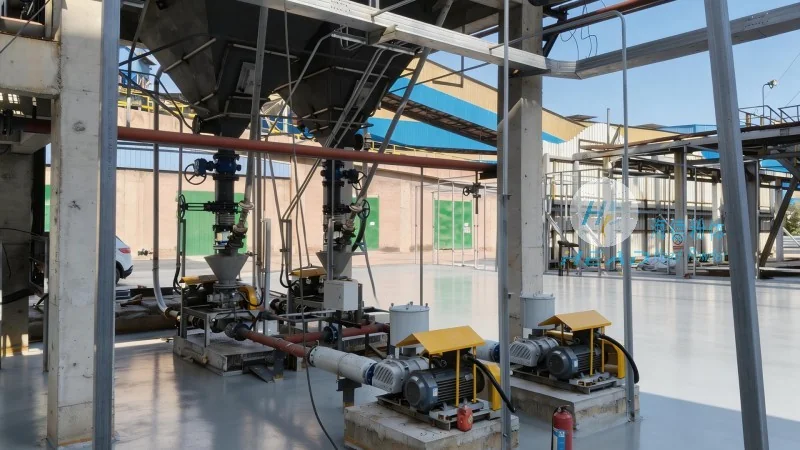
Positive pressure systems, in contrast, use compressed air to push calcining ash through the conveying line. This approach is suitable for applications requiring high material flow rates or where the material is abrasive or contains large particles. The primary benefit of positive pressure systems is their ability to handle a wide range of material types, including coarse powders and granules, with minimal risk of blockages. HeadPowder’s positive pressure systems utilize high-pressure blowers and durable pipeline materials, ensuring efficient transport even in challenging conditions. These systems are often preferred for calcining ash with low moisture content and high bulk density, as the compressed air effectively moves material through the pipeline without the need for vacuum assistance.

When selecting a pneumatic conveying system for calcining ash, it is essential to evaluate the specific requirements of the application. Negative pressure systems excel in scenarios where dust control and material collection from multiple points are critical, such as in cement plants or power stations. Positive pressure systems, on the other hand, are better suited for high-volume transport or when the material is abrasive and requires higher pressure to maintain flow. HeadPowder’s engineers provide comprehensive assessments to determine the most suitable system based on factors like material characteristics, distance, and environmental regulations. By analyzing these variables, the company ensures that clients receive optimized solutions that balance efficiency, cost, and operational safety.
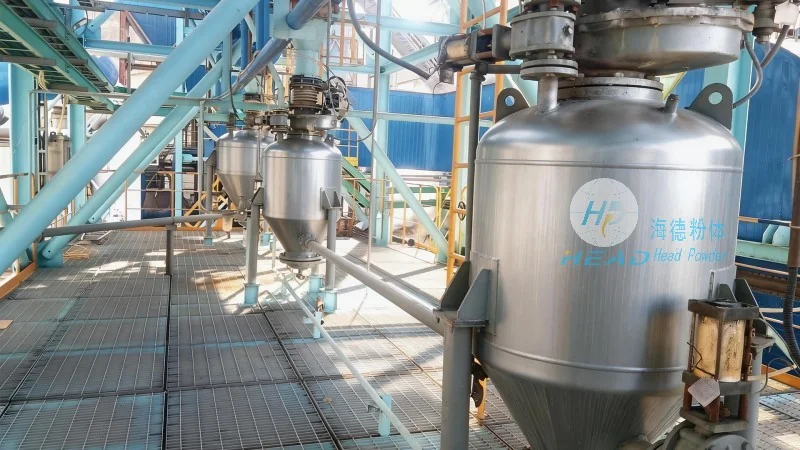
The versatility of pneumatic conveying systems makes them applicable to various calcining ash handling processes. For instance, in cement production, calcining ash is often used as a supplementary cementitious material (SCM), and efficient transport is crucial for maintaining production continuity. HeadPowder’s systems have been implemented in several cement plants, where negative pressure systems are used to collect ash from storage silos and transport it to mixing facilities. In metal smelting operations, positive pressure systems are preferred to handle abrasive calcining ash, ensuring that the material is moved safely and without damage to equipment. Additionally, the technology is used in environmental applications, such as ash disposal to landfills or recycling facilities, where negative pressure systems help minimize dust emissions and comply with environmental regulations.
Both negative and positive pressure pneumatic conveying systems offer viable solutions for calcining ash transport, each with its own advantages and considerations. The choice depends on the specific operational needs, material properties, and environmental requirements of the application. HeadPowder, with its expertise in pneumatic conveying technology, provides tailored solutions that address these factors, ensuring reliable and efficient material handling. By leveraging advanced engineering and customer-focused approaches, the company helps industrial clients optimize their calcining ash transport processes, reduce operational costs, and enhance overall productivity. As the demand for sustainable and efficient material handling increases, HeadPowder remains committed to delivering innovative solutions that meet the evolving needs of the industry.

 Shandong Headpowder Engineering Co., Ltd.
 156-6277-7102(Manager Zhang)
  0531-83386006
  Zhangqiu District, Jinan City, Shandong Province, China
telephone
WeChatconsult
top