

What is a Sawdust Granular Material Pneumatic Conveying Line? What Are Its Design Principles?
For industries dealing with sawdust and other granular materials, efficient material handling is crucial. A sawdust granular material pneumatic conveying line is a specialized system designed to transport these materials through the use of compressed air or other gases. This technology offers a dust-free, flexible, and efficient method for moving sawdust from one location to another, making it an essential solution in woodworking, biomass energy, and related sectors.
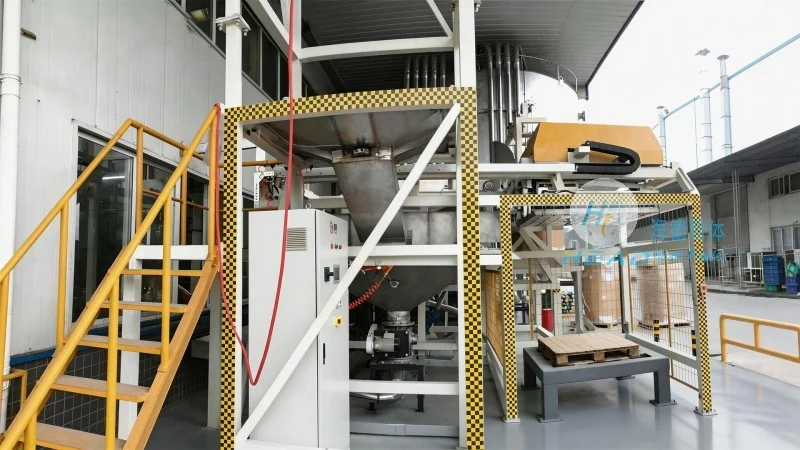
Introduction to Sawdust Granular Material Pneumatic Conveying Lines
A pneumatic conveying line for sawdust granular materials is a closed-loop system that utilizes air pressure to move particles. Unlike traditional mechanical conveyors, which rely on belts or chains, pneumatic systems use air to create a flow that transports the material. This method is particularly advantageous for sawdust because it is lightweight, abrasive, and can generate dust if not handled properly. The system typically includes components such as a material feeder, a pressure vessel, a pipeline network, and a receiver or separator.
Key Components of the Pneumatic Conveying System
The effectiveness of a sawdust granular material pneumatic conveying line depends on its key components, each playing a critical role in the material transport process. The material feeder is responsible for introducing the sawdust into the system at a controlled rate. This component must be designed to handle the specific characteristics of sawdust, such as its density and moisture content, to ensure consistent feeding. The pressure vessel, often called a hopper or silo, stores the sawdust and provides the necessary pressure for the conveying process. It is usually equipped with a vent or pressure relief valve to maintain safe operating conditions. The pipeline network is the main conduit for transporting the sawdust, and it can be made of various materials like stainless steel or plastic, depending on the application and the material's properties. The pipeline may include bends, elbows, and expansion joints to accommodate changes in direction and prevent material buildup. The receiver or separator is the final component, where the sawdust is deposited after being conveyed. It often includes a cyclone or filter to separate any remaining air from the material, ensuring that the sawdust is collected cleanly and efficiently.
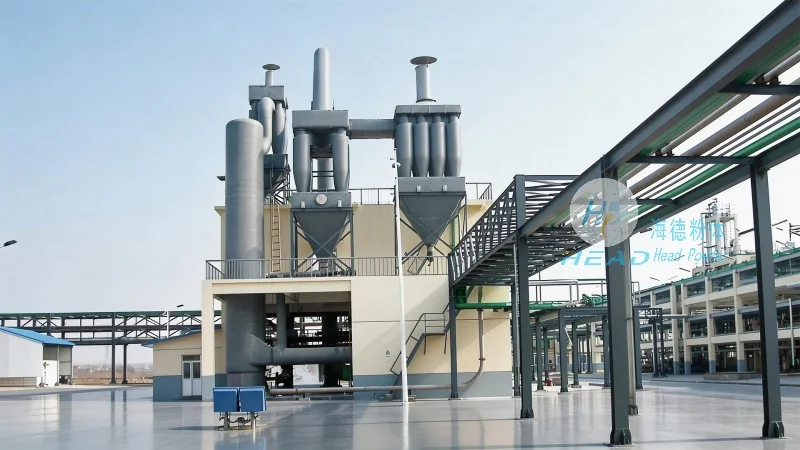
Design Principles and Considerations
The design of a sawdust granular material pneumatic conveying line involves several key principles and considerations to ensure optimal performance and safety. One of the primary design principles is the selection of the appropriate air velocity and pressure. The air velocity must be high enough to overcome the resistance of the sawdust particles and the pipeline, but not so high that it causes excessive wear on the system components or leads to material degradation. The pressure is typically maintained between 0.5 to 2 bar, depending on the distance and the material's characteristics. Another critical consideration is the particle size and density of the sawdust. Larger or denser particles may require higher air velocities and pressures to be conveyed effectively. The system's design must also account for the moisture content of the sawdust, as high moisture levels can affect the material's flowability and the system's efficiency. Additionally, the system must be designed to handle the potential for dust generation, incorporating features like dust collection and filtration to maintain a safe and clean working environment. The layout of the pipeline is also an important design factor, as it affects the overall efficiency and cost of the system. A well-designed layout minimizes the number of bends and changes in direction, reducing pressure losses and ensuring smooth material flow.
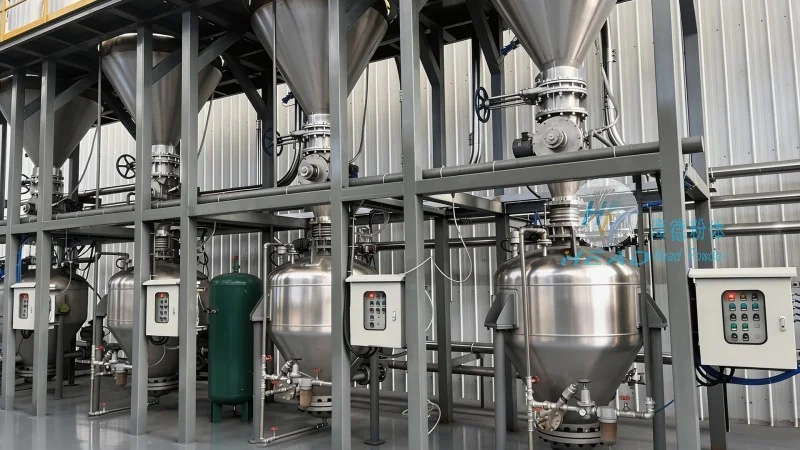
HeadPowder's Expertise in Pneumatic Conveying Solutions
Shandong HeadPowder Engineering Co., Ltd., a leading provider of material handling solutions, specializes in designing and manufacturing sawdust granular material pneumatic conveying lines. With a focus on innovation and customer satisfaction, HeadPowder has extensive experience in the woodworking and biomass industries. The company's headquarters is located in Shandong, China, where it leverages advanced technology and skilled engineering to develop customized solutions for its clients. HeadPowder's team of experts works closely with customers to understand their specific needs, such as the volume of sawdust to be transported, the distance between the source and destination, and any operational constraints. Based on this information, the company designs a system that meets the highest standards of efficiency, reliability, and safety. HeadPowder's products are known for their durability and low maintenance requirements, ensuring that clients can operate their systems with minimal downtime and operational costs. The company also provides comprehensive after-sales support, including installation, training, and maintenance services, to ensure that its customers can maximize the performance of their pneumatic conveying lines.
Application Scenarios and Benefits
Sawdust granular material pneumatic conveying lines are widely used in various applications across the woodworking and biomass sectors. One common application is in sawmills, where the system is used to transport sawdust from the cutting area to a storage facility or to a biomass boiler for energy generation. In this scenario, the pneumatic conveying line helps to reduce the risk of dust explosions and improves the overall safety of the workplace. Another application is in biomass power plants, where sawdust is used as a fuel source. The system efficiently transports the sawdust from storage to the boiler, ensuring a steady supply of fuel. The benefits of using a pneumatic conveying line for sawdust are numerous. First, it provides a dust-free environment, which is crucial for maintaining a safe and healthy workplace. Second, it offers high efficiency, as the system can transport large volumes of sawdust over long distances with minimal energy consumption. Third, it is flexible, as the pipeline can be easily reconfigured to accommodate changes in the production process or to add new destinations. Finally, it is cost-effective, as it reduces the need for manual handling and minimizes material loss. Overall, a sawdust granular material pneumatic conveying line is an essential investment for any company dealing with sawdust, as it improves operational efficiency, enhances safety, and reduces costs.