With more than 10‑year industry experience, Shandong Headpowder delivers full‑service pneumatic‑conveying systems and blowers, undertaking nationwide turn‑key powder‑handling projects.
HeadPowder, a leading engineering firm based in Shandong, China, specializes in the design, installation, and maintenance of advanced pneumatic conveying systems tailored for the cement and fly ash industries. The efficient handling of bulk materials like cement and fly ash is critical for modern manufacturing processes, and pneumatic conveying offers a reliable solution that minimizes dust, reduces labor costs, and enhances operational safety. This article provides a comprehensive overview of negative pressure and positive pressure pneumatic conveying technologies, exploring their principles, applications, and key considerations for optimal performance.
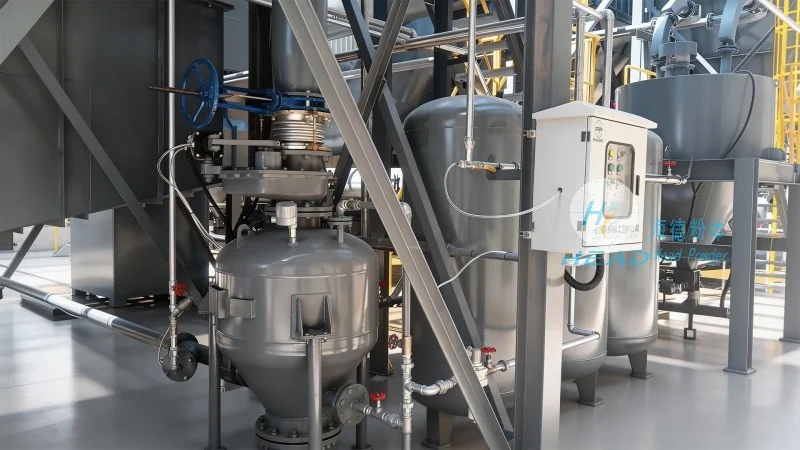
Pneumatic conveying systems are categorized based on the direction of air flow relative to the material being transported. Two primary types dominate the industry: negative pressure (or vacuum) systems and positive pressure systems. Each type has distinct advantages and is suited to different operational requirements, making it essential for engineers and facility managers to understand the nuances of each approach.
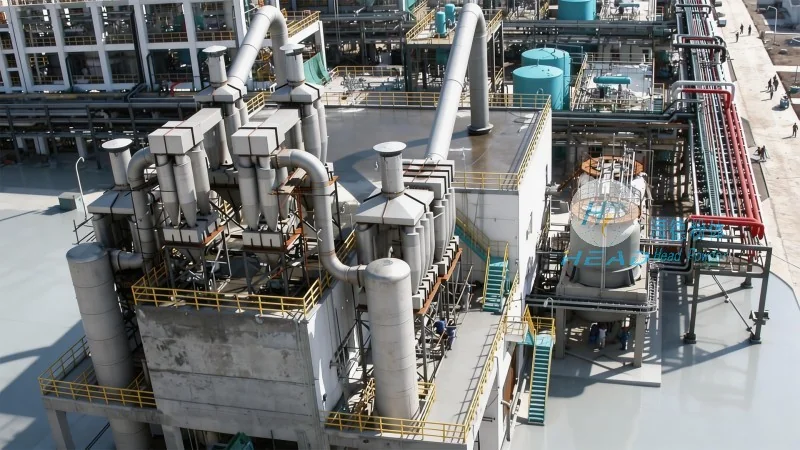
Negative pressure systems operate by creating a vacuum at the material inlet, drawing the bulk material into the conveying line using air drawn from the system. This method is particularly effective for applications where material is being transported from a source to a destination, such as from a storage silo to a processing plant. The key components of a negative pressure system include a vacuum pump, a material feed hopper, a filter system to capture dust and particulates, and a discharge unit at the receiving end. The system’s design ensures that the air flow is directed away from the material, preventing dust emissions and maintaining a clean working environment.
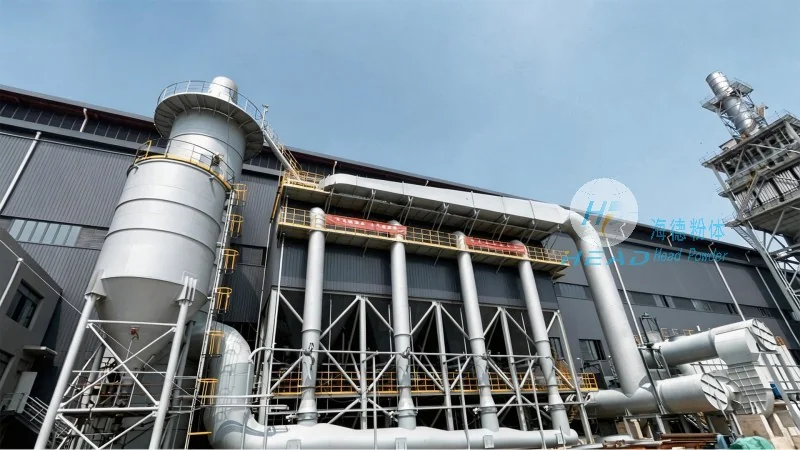
One of the primary advantages of negative pressure systems is their ability to handle fine powders and abrasive materials without causing excessive wear on the equipment. The vacuum pump is typically located at the discharge end, which helps in controlling the flow rate and preventing material buildup. However, these systems require careful maintenance of the filter system to ensure consistent performance and to prevent clogging, which could lead to system downtime. Additionally, the vacuum pump’s power consumption is a factor to consider, as it can impact the overall energy efficiency of the operation.
Positive pressure systems, in contrast, generate air pressure at the material inlet, pushing the bulk material through the conveying line. This approach is ideal for applications where material needs to be transported over longer distances or to multiple destinations, as the system can maintain consistent pressure throughout the line. The key components of a positive pressure system include a blower or fan, a material feed hopper, a dust collection system, and a discharge unit at the receiving end. The air is directed into the conveying line, carrying the material to the desired location.
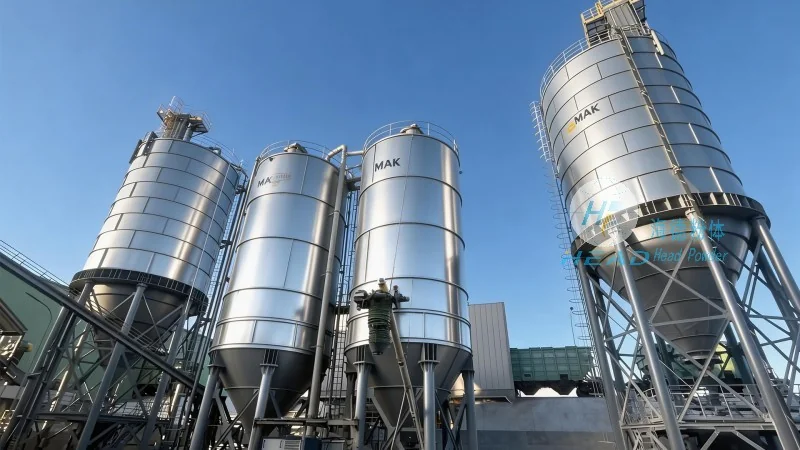
Positive pressure systems are generally more robust and can handle larger volumes of material compared to negative pressure systems. The higher air pressure allows for better control over the flow rate and can accommodate more complex system layouts, including multiple branches and bends. However, these systems may generate more dust and require more stringent dust control measures to comply with environmental regulations. The blower’s power consumption is also a consideration, as it can contribute to higher operational costs, especially for large-scale applications.

 Shandong Headpowder Engineering Co., Ltd.
 156-6277-7102(Manager Zhang)
  0531-83386006
  Zhangqiu District, Jinan City, Shandong Province, China
telephone
WeChatconsult
top