With more than 10‑year industry experience, Shandong Headpowder delivers full‑service pneumatic‑conveying systems and blowers, undertaking nationwide turn‑key powder‑handling projects.
HeadPowder, a leading engineering company based in Shandong, China, specializes in advanced pneumatic conveying solutions tailored for the lithium-ion battery industry. This article provides a comprehensive exploration of negative pressure and positive pressure pneumatic conveying technologies, which are critical for efficiently handling raw materials in the battery manufacturing process.
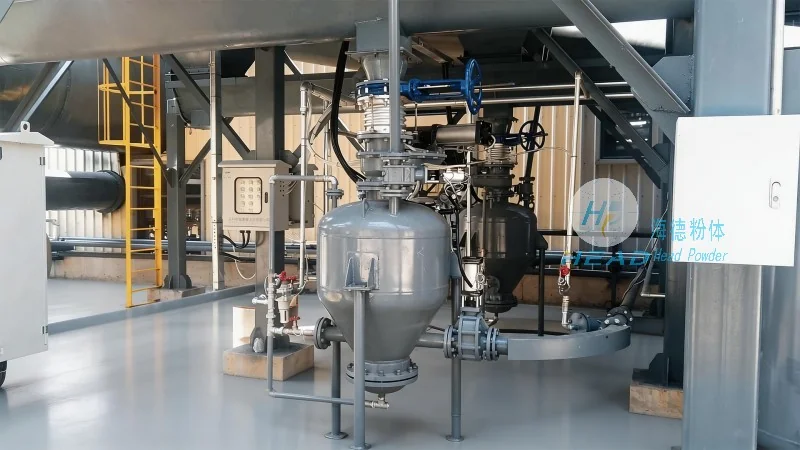
Pneumatic conveying systems are essential for transporting bulk materials such as lithium compounds, graphite, and other battery raw materials from storage to processing units. The choice between negative pressure (suction) and positive pressure (blowing) systems depends on factors like material properties, system layout, and operational requirements. Both methods offer unique advantages and are widely used in the lithium battery sector to ensure safe, efficient, and reliable material handling.
Negative pressure systems operate by creating a vacuum at the material inlet, drawing material into the conveying line using a suction fan. This method is particularly effective for handling fine powders and dust, as it minimizes material spillage and environmental contamination. The suction mechanism ensures that materials are drawn into the system without the need for mechanical feeders, making it suitable for applications where material flow is irregular or where dust control is paramount.
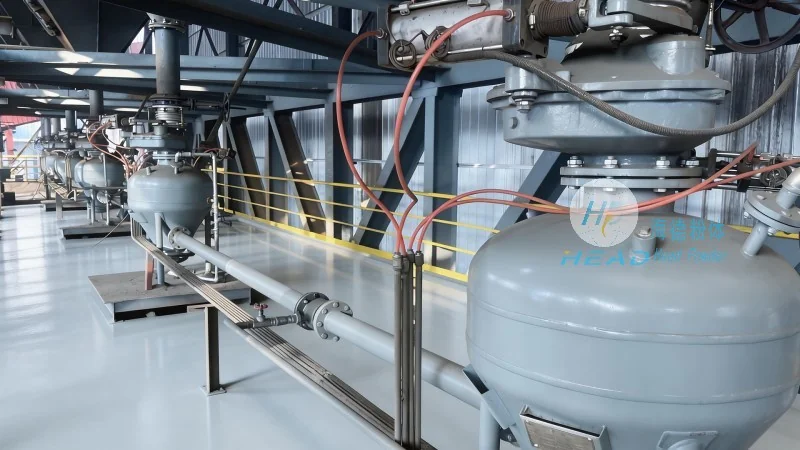
Key advantages of negative pressure conveying include its ability to handle sensitive materials without causing degradation, reduced energy consumption compared to positive pressure systems in some cases, and lower initial investment costs. However, it may require more robust filtration systems to prevent dust from escaping into the environment, and the system's performance can be affected by changes in ambient air pressure and temperature.
Positive pressure systems, on the other hand, use a blower or compressor to force air and material through the conveying line. This method is ideal for transporting bulkier materials, such as larger particles or granules, and is often preferred in applications where the material is prone to bridging or caking. The pressurized environment helps maintain material flow and reduces the risk of blockages, making it suitable for high-capacity operations.
Positive pressure conveying offers advantages such as higher conveying distances and the ability to handle a wider range of material types, including abrasive or corrosive materials. However, it generally requires more energy to operate and may necessitate more complex filtration and safety measures to prevent dust explosions. The system's design must also account for pressure differentials and potential material buildup in the line.
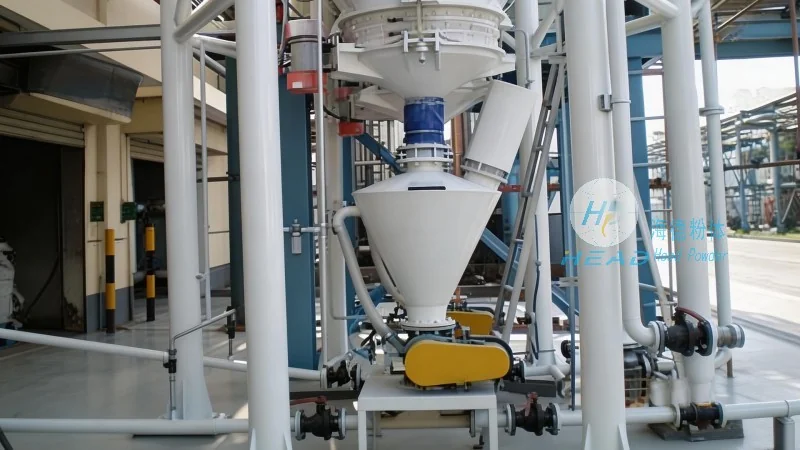
When selecting between negative and positive pressure systems for lithium-ion battery raw material handling, several factors must be considered. Negative pressure is often preferred for fine powders and applications where dust control is critical, while positive pressure is better suited for bulkier materials and high-capacity operations. The choice also depends on the system's layout, the distance between the material source and processing unit, and the overall cost-benefit analysis.
For instance, in a lithium battery manufacturing plant, negative pressure systems may be used to transport graphite powder from storage silos to mixing units, where dust control is essential to prevent contamination of the final product. Positive pressure systems, conversely, might be employed to convey larger graphite flakes or other bulk materials from a processing line to a storage silo.
Shandong HeadPowder Engineering Co., Ltd. leverages decades of experience in designing and implementing customized pneumatic conveying systems for the lithium-ion battery industry. The company's engineers work closely with clients to assess material characteristics, operational requirements, and site constraints to develop optimal solutions. Whether a negative pressure or positive pressure system is chosen, HeadPowder ensures that the technology is tailored to meet the specific needs of each project, maximizing efficiency and minimizing downtime.
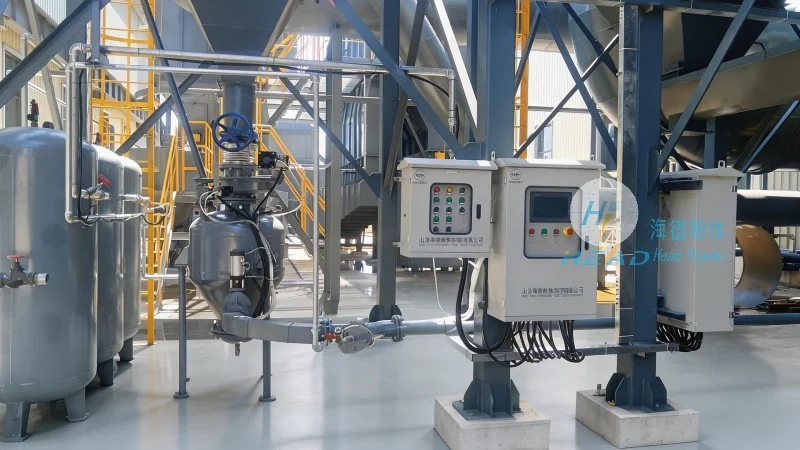
HeadPowder's solutions include advanced filtration systems, material handling equipment, and control technologies that enhance the safety and reliability of pneumatic conveying operations. The company's commitment to innovation and quality has made it a trusted partner for battery manufacturers seeking to improve their material handling processes and reduce operational costs.
The efficient handling of raw materials is a cornerstone of lithium-ion battery production, and pneumatic conveying technologies play a pivotal role in achieving this goal. By understanding the principles and applications of negative and positive pressure systems, battery manufacturers can select the most appropriate technology to meet their operational needs. HeadPowder's expertise in pneumatic conveying solutions ensures that clients can implement reliable, cost-effective systems that enhance productivity and safety in their manufacturing processes.

 Shandong Headpowder Engineering Co., Ltd.
 156-6277-7102(Manager Zhang)
  0531-83386006
  Zhangqiu District, Jinan City, Shandong Province, China
telephone
WeChatconsult
top