

What is a Cotton Material Pneumatic Conveying System? What Are Its Design Principles?
A cotton material pneumatic conveying system is a specialized industrial solution designed to transport cotton and related materials through a pipeline using air or other gas as the conveying medium. This technology is widely used in the textile industry to efficiently move raw cotton, cotton waste, or processed cotton products from one location to another within a production facility. The system operates by creating a pressure differential that propels the material through the pipeline, ensuring a clean and dust-free transfer process. Unlike traditional mechanical conveyors, pneumatic systems offer advantages such as reduced contamination, lower maintenance requirements, and the ability to handle materials that are difficult to transport via conventional methods.
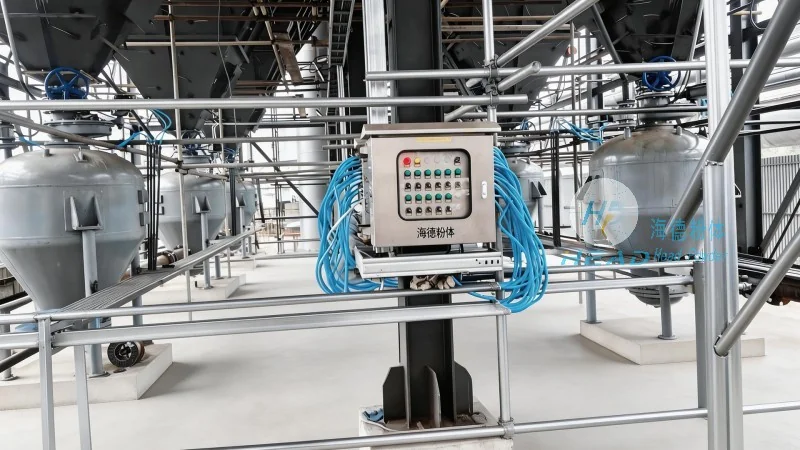
Design Principles of Pneumatic Conveying Systems
The design of a cotton material pneumatic conveying system is based on several key principles that ensure optimal performance and efficiency. The primary principle is the creation of a consistent airflow that can handle the specific characteristics of cotton, such as its lightweight nature and potential for static buildup. The system typically includes components like a blower or fan to generate the necessary air pressure, a hopper or feeder to introduce the material into the pipeline, and a receiver or discharge unit to collect the material at the destination. The design also considers factors like the material's bulk density, moisture content, and flowability to determine the appropriate air velocity and pressure levels. Additionally, the system may incorporate features like cyclones or filters to separate the material from the air stream, ensuring that the material is delivered in a clean state and that the air is properly filtered to prevent dust contamination. The layout of the pipeline, including the number of bends, vertical and horizontal runs, and the use of expansion joints or flexible connectors, is carefully planned to minimize pressure losses and maintain the system's efficiency. The selection of materials for the pipeline, such as stainless steel or plastic, is also critical to prevent corrosion or material degradation during the conveying process.
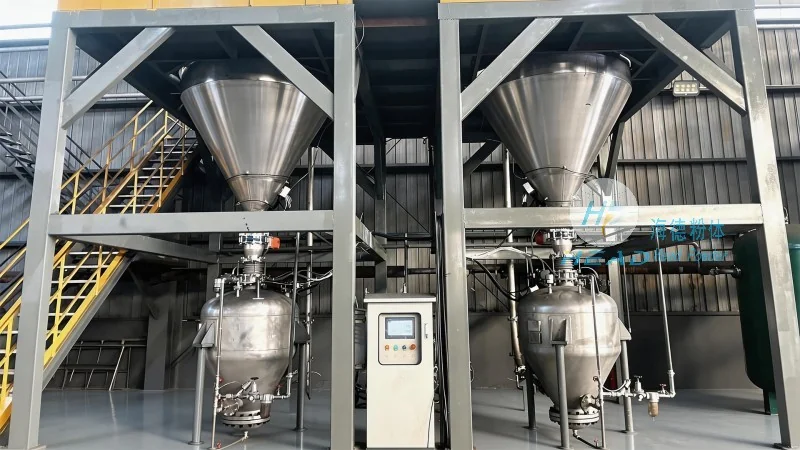
Components and Functionality of the System
The core components of a cotton material pneumatic conveying system work in tandem to achieve effective material transport. The blower or fan serves as the power source, generating the air pressure required to move the cotton through the pipeline. The hopper or feeder is designed to hold the raw cotton and release it in a controlled manner, ensuring a steady flow into the system. The pipeline itself is typically made of durable materials like stainless steel or high-density polyethylene (HDPE) to withstand the pressure and prevent leaks. The system may include additional components such as a rotary valve or gate valve to control the flow rate and direction of the material, as well as a receiver or silo to store the conveyed cotton at the destination. The use of cyclones or filters is essential to separate the cotton from the air, as the air stream carries fine particles that could otherwise contaminate the material or the environment. The design of these separation components is critical to ensure that the cotton is collected in a clean and dry state, ready for further processing. The system may also include sensors or monitoring devices to track the flow rate, pressure, and temperature, allowing for real-time adjustments to maintain optimal performance. This integration of components ensures that the cotton material is transported efficiently, safely, and with minimal loss or degradation.
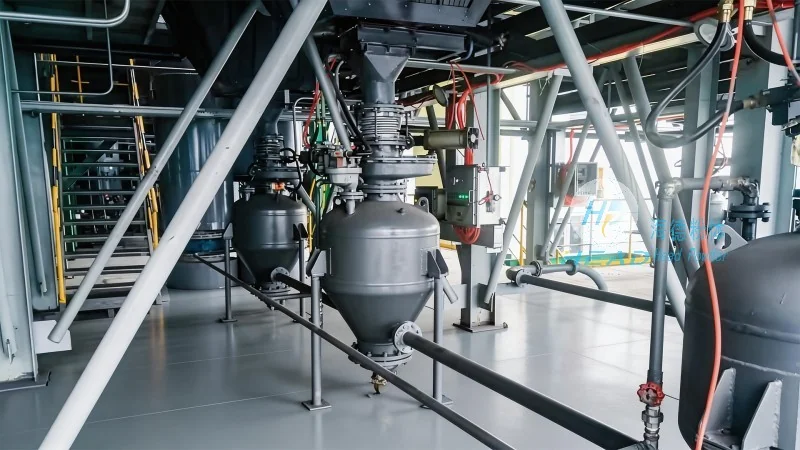
Applications in the Textile Industry
Cotton material pneumatic conveying systems are widely used in various applications within the textile industry. These systems are commonly employed in cotton ginning facilities to transport raw cotton from the field to processing equipment, such as cleaning and baling machines. In textile mills, the system is used to move cotton waste or recycled cotton from one processing stage to another, such as from the carding machine to the spinning machine. The system is also utilized in cotton processing plants to transport processed cotton products, such as yarn or fabric, from the production line to storage or shipping areas. The efficiency of the pneumatic system in these applications is evident in the ability to handle large volumes of material with minimal labor and equipment. The clean and dust-free transfer process also helps to maintain the quality of the cotton, preventing contamination that could affect the final textile product. Additionally, the system's flexibility allows it to be integrated into existing production lines without major modifications, making it a cost-effective solution for many textile manufacturers. The use of pneumatic conveying in these applications has become a standard practice due to its reliability and ability to handle the unique characteristics of cotton material.
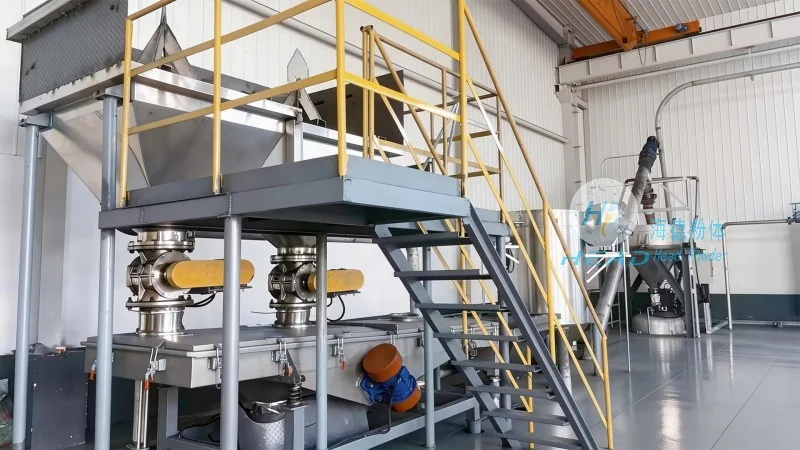
Advantages of Using Pneumatic Conveying for Cotton
There are several advantages to using a pneumatic conveying system for cotton material transport. One of the primary benefits is the ability to maintain a clean and dust-free environment, which is crucial in the textile industry where contamination can significantly impact the quality of the final product. Unlike mechanical conveyors, which can generate dust and debris, pneumatic systems use enclosed pipelines to contain the material, reducing the risk of contamination and improving workplace safety. Another advantage is the reduced maintenance requirements, as the system has fewer moving parts compared to traditional conveyors. This results in lower operational costs and less downtime for maintenance. The system also offers flexibility in terms of layout, as the pipeline can be easily reconfigured to accommodate changes in production processes or facility expansions. Additionally, the pneumatic system can handle materials that are difficult to transport via other methods, such as lightweight or low-density cotton, which may be challenging for mechanical conveyors. The ability to control the flow rate and pressure allows for precise material handling, ensuring that the cotton is delivered at the desired rate and without damage. The system's efficiency in moving large volumes of material also contributes to increased productivity in textile manufacturing, as it reduces the time and labor required for material transport. Overall, the use of a cotton material pneumatic conveying system provides significant benefits in terms of quality, cost, and operational efficiency for textile manufacturers.