With more than 10‑year industry experience, Shandong Headpowder delivers full‑service pneumatic‑conveying systems and blowers, undertaking nationwide turn‑key powder‑handling projects.
For businesses in the food processing industry, especially those dealing with baking flour, efficient and reliable material handling is crucial. The pneumatic conveying system has emerged as a preferred solution for transporting bulk materials like baking flour. This article delves into the working principle of a baking flour pneumatic conveying equipment, highlighting its operational mechanics and the benefits it offers to manufacturers.
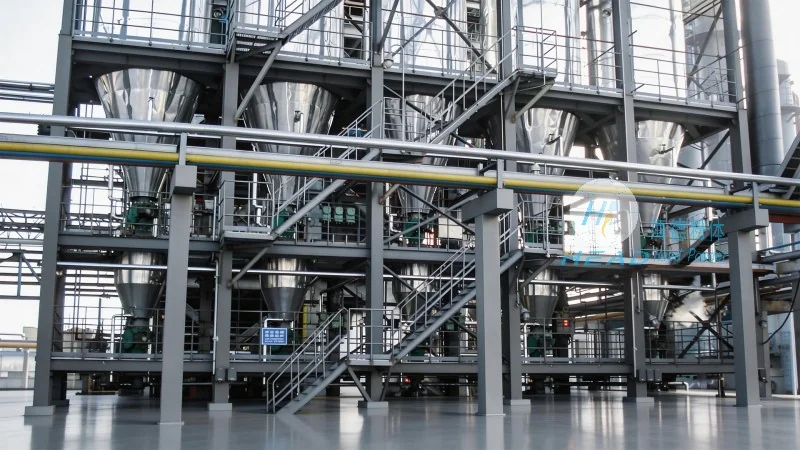
Baking flour, a staple ingredient in the production of bread, pastries, and other baked goods, requires careful handling to maintain its quality and consistency. Traditional methods such as manual handling or mechanical conveyors may lead to issues like dust contamination, material degradation, or inefficient workflow. Pneumatic conveying systems address these challenges by using air pressure to transport flour and other dry powders in a closed system. This approach ensures that the flour remains uncontaminated, retains its quality, and is delivered to the processing line with minimal loss.
The effectiveness of a pneumatic conveying system for baking flour depends on several key components that work in tandem to facilitate the transport process. These components include the hopper, which serves as the storage and feeding unit; the air compressor, which generates the necessary air pressure; the conveying line, typically made of flexible or rigid tubing; and the control valves and filters that regulate airflow and maintain system efficiency. Each component plays a critical role in ensuring the smooth and consistent movement of flour from the storage area to the production line.
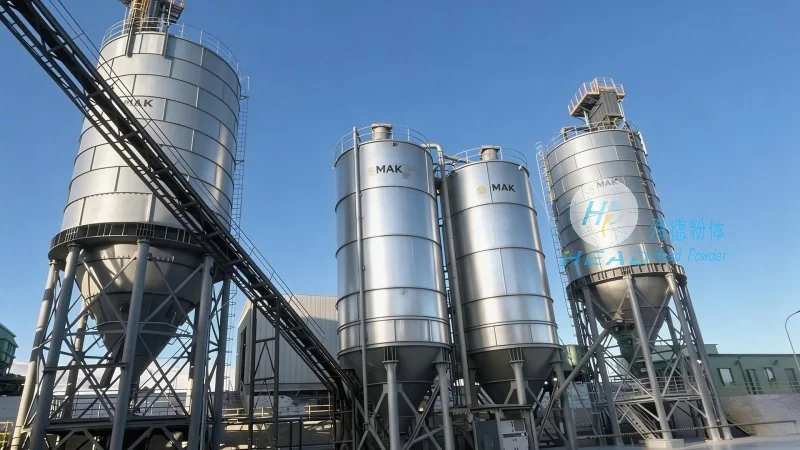
The core principle of pneumatic conveying for baking flour involves creating a pressure differential between the source and destination points. In a typical system, the air compressor draws air from the environment and compresses it to a specific pressure. This pressurized air is then introduced into the conveying line, where it flows through the hopper and into the line. As the air moves, it entrains the baking flour particles, forming a slurry-like mixture that travels through the system. The speed and pressure of the air determine the conveying capacity and the distance the flour can be transported. At the receiving end, the air is released, and the flour is deposited into the processing equipment, such as mixers or ovens.
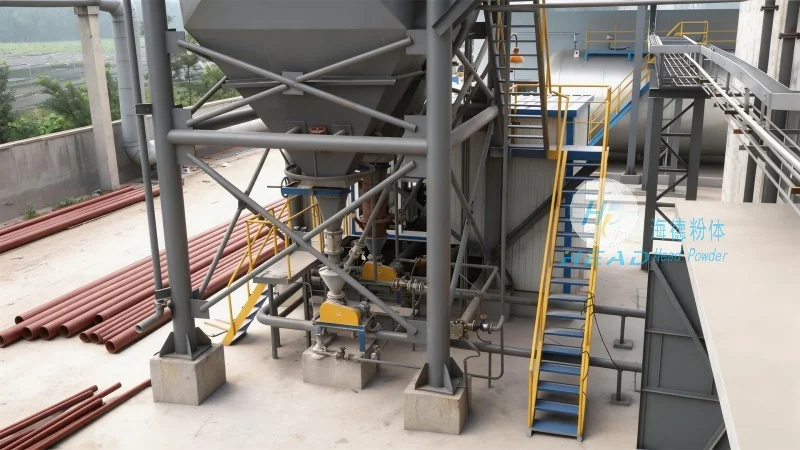
Implementing a pneumatic conveying system for baking flour offers numerous advantages over traditional methods. Firstly, it provides a dust-free environment, which is essential for maintaining the quality of the flour and ensuring a safe working condition. Secondly, the system minimizes material loss and degradation, as the flour is transported in a closed loop, reducing exposure to external contaminants. Thirdly, it enhances operational efficiency by automating the material handling process, allowing for continuous production without manual intervention. Additionally, the flexibility of pneumatic systems allows for easy integration with existing production lines and the ability to transport flour over longer distances with minimal energy consumption.
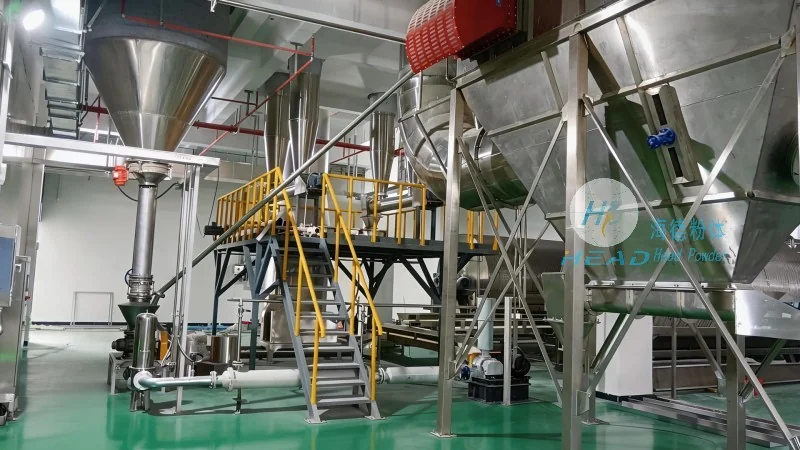
In the baking industry, the use of pneumatic conveying equipment for baking flour is widespread due to its adaptability and efficiency. Manufacturers of bread, cakes, and other baked products rely on these systems to streamline their production processes. The ability to transport flour from storage silos to mixing machines or ovens quickly and reliably ensures that production schedules are met without delays. Moreover, the consistent quality of the flour delivered by the system contributes to the uniformity of the final products, which is critical for maintaining brand reputation and customer satisfaction.
Understanding the principle of baking flour pneumatic conveying equipment is essential for businesses looking to optimize their material handling processes. The system's ability to transport dry powders efficiently, safely, and with minimal loss makes it an ideal choice for the baking industry. As a leading provider in this field, Shandong HeadPowder Engineering Co., Ltd. specializes in designing and manufacturing high-quality pneumatic conveying systems tailored to the specific needs of baking flour manufacturers. With a focus on innovation and customer satisfaction, the company ensures that its equipment meets the highest standards of performance and reliability. Located in Shandong, China, HeadPowder continues to serve the global food processing industry with advanced solutions that enhance operational efficiency and product quality.

 Shandong Headpowder Engineering Co., Ltd.
 156-6277-7102(Manager Zhang)
  0531-83386006
  Zhangqiu District, Jinan City, Shandong Province, China
telephone
WeChatconsult
top