With more than 10‑year industry experience, Shandong Headpowder delivers full‑service pneumatic‑conveying systems and blowers, undertaking nationwide turn‑key powder‑handling projects.
For businesses in the animal feed industry, efficient and reliable material handling is a cornerstone of operational success. The pneumatic conveying system for feed pellets represents a sophisticated solution that integrates advanced engineering with practical application, enabling seamless transport of feed materials from storage to processing and packaging stages. As a critical component of modern feed processing facilities, this system addresses the challenges of bulk material handling, ensuring that feed pellets are moved with precision, minimal loss, and maximum preservation of quality. The system's design emphasizes durability, efficiency, and adaptability, making it an ideal choice for feed manufacturers seeking to enhance their production capabilities.
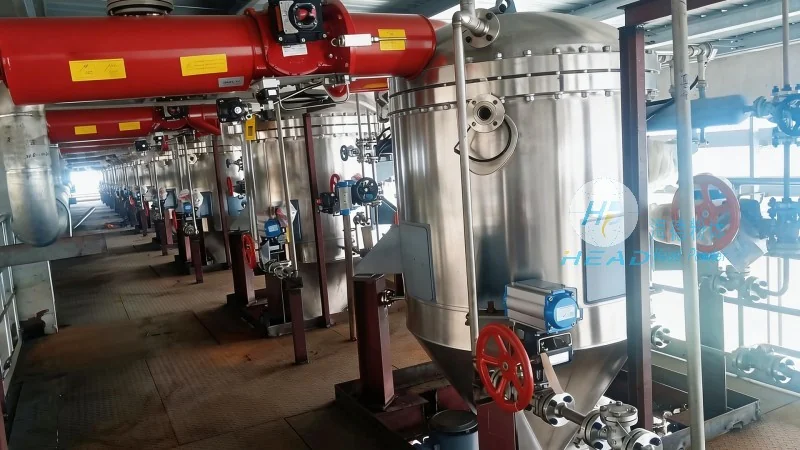
The pneumatic conveying system for feed pellets comprises several interconnected components, each contributing to the system's functionality. The primary components include a feed hopper or feeder, which holds the feed pellets and regulates the flow rate; a conveying line, typically made of flexible or rigid tubing, which transports the material; a blower or air compressor, which generates the necessary airflow; and a receiver or discharge unit, where the feed is collected. The working principle is based on the use of air to create a pressure differential that propels the feed pellets through the system. When the blower operates, it draws air from the hopper, creating a low-pressure zone that pulls the feed pellets into the conveying line. The high-pressure air then carries the pellets along the line, reaching the receiver where they are discharged. This process eliminates the need for mechanical components like belts or chains, reducing maintenance requirements and potential points of failure.
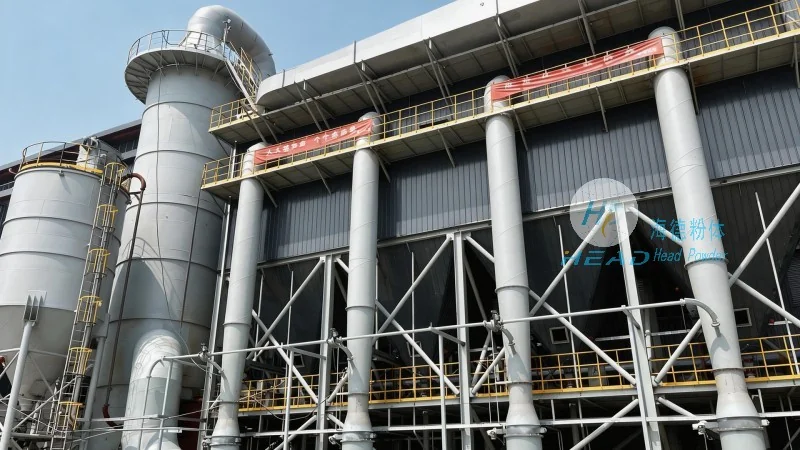
Implementing a pneumatic conveying system for feed pellets offers a range of advantages that directly impact operational efficiency and product quality. One of the most significant benefits is the prevention of contamination, as the system operates in an enclosed environment, shielding the feed from dust, moisture, and external pollutants. This is particularly important in the feed industry, where product purity is a regulatory and market requirement. Additionally, the system reduces labor costs by automating the material handling process, minimizing the need for manual loading and unloading. The flexibility of the system allows for easy integration with existing feed processing lines, and it can be scaled to accommodate growth in production capacity. Energy efficiency is another key advantage, as modern blowers are designed to operate at optimal pressure levels, reducing energy consumption compared to traditional mechanical conveyors. The system also minimizes material degradation, as the enclosed design prevents abrasion and breakage of feed pellets, ensuring that the final product maintains its nutritional value and texture.
Shandong HeadPowder Engineering Co., Ltd., a reputable manufacturer specializing in feed processing equipment, provides tailored pneumatic conveying systems that meet the unique requirements of feed manufacturers. The company's team of engineers works closely with clients to design systems that optimize material flow, reduce downtime, and enhance overall productivity. For instance, the system can be customized to handle different pellet sizes, from small feed pellets to larger animal feed pellets, ensuring compatibility with various feed formulations. The company also offers options for different conveying line materials, such as stainless steel or food-grade plastic, to meet specific hygiene and durability standards. In large-scale feed production facilities, the system can be integrated with multiple hoppers and receivers, allowing for the simultaneous transport of different feed types or batches. The company's commitment to quality is evident in the use of high-grade components and rigorous testing procedures, ensuring that each system meets or exceeds industry standards for performance and reliability.
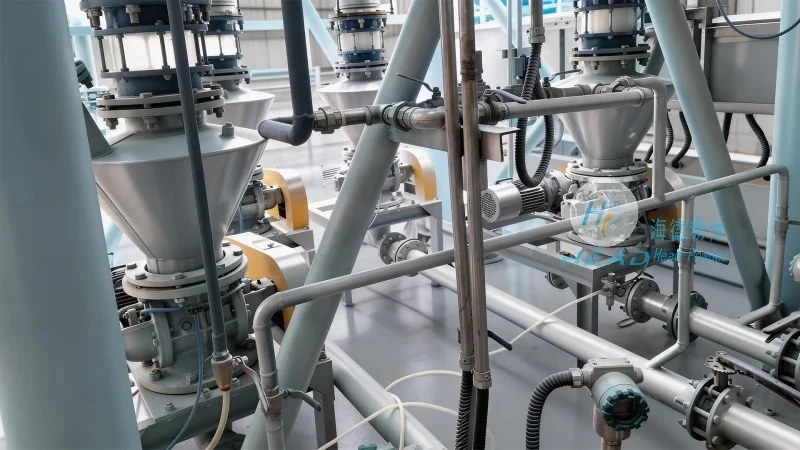
Proper installation and regular maintenance are critical to the long-term performance and lifespan of a pneumatic conveying system for feed pellets. During the installation phase, it is essential to ensure that all components are properly aligned and connected to prevent air leaks or material blockages. The system should be installed with appropriate support structures to handle the weight of the conveying line and the material being transported, especially in vertical or inclined configurations. The blower and other electrical components must be placed in a well-ventilated area to prevent overheating and ensure safe operation. Regular maintenance involves checking the blower for proper air pressure and flow rate, inspecting the conveying line for wear or damage, and cleaning the hopper and receiver to prevent buildup of feed residue. It is recommended to perform routine inspections at least monthly, and more frequently in high-demand operations. By adhering to a maintenance schedule, feed manufacturers can minimize downtime, reduce repair costs, and ensure consistent operation of the system. Additionally, the company provides technical support and training to clients, helping them to operate and maintain the system effectively.

 Shandong Headpowder Engineering Co., Ltd.
 156-6277-7102(Manager Zhang)
  0531-83386006
  Zhangqiu District, Jinan City, Shandong Province, China
telephone
WeChatconsult
top