

What is a High-Calcium Material Pneumatic Conveying System? And What Are Its Design Principles?
The demand for efficient material handling solutions in industrial sectors has led to the development of specialized systems like high-calcium material pneumatic conveying lines. These systems are crucial for transporting calcium-rich materials, such as limestone, gypsum, or other mineral powders, with precision and reliability. Understanding the core components and design principles behind these systems is essential for optimizing operational performance and ensuring safety in material processing facilities.
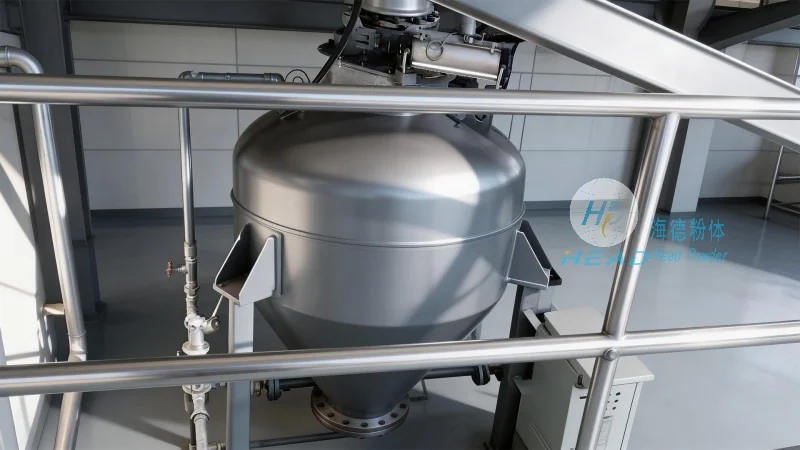
Understanding High-Calcium Material Pneumatic Conveying Systems
High-calcium material pneumatic conveying systems are engineered to handle materials with high calcium content, typically ranging from 30% to 90% or more. These materials, often used in construction, cement production, and chemical manufacturing, require specialized equipment to manage their abrasive and dusty nature. The system operates by using compressed air or gas to transport the material through a network of pipes, ensuring minimal loss and contamination.
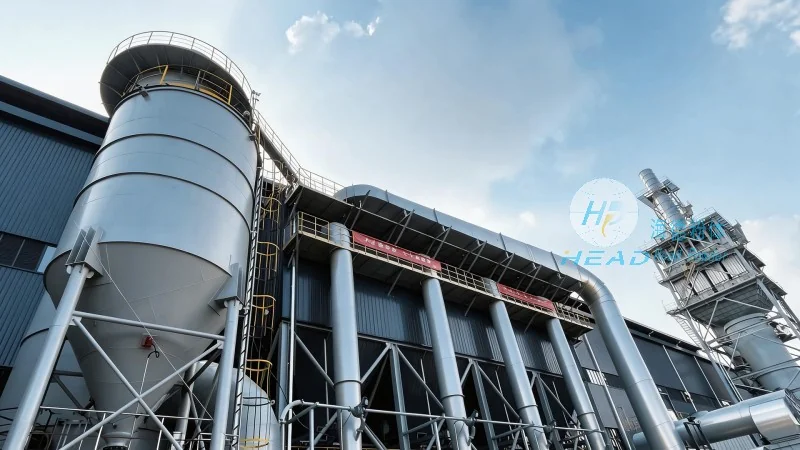
Key Design Principles for Efficient High-Calcium Material Handling
Several critical design principles underpin the effectiveness of high-calcium material pneumatic conveying systems. First, the system must be designed to handle the specific physical properties of the material, including its density, particle size distribution, and flow characteristics. This involves selecting appropriate air velocities and pipe diameters to prevent blockages and ensure smooth material movement. Second, the system incorporates robust filtration and separation mechanisms to maintain material purity and protect downstream equipment from wear and tear. Third, the design emphasizes energy efficiency by optimizing air pressure and flow rates, reducing operational costs while maintaining performance.
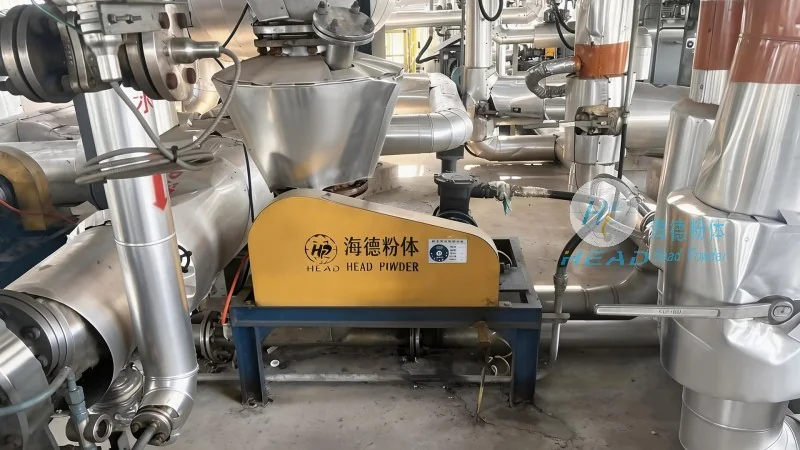
Components and Functionalities of the System
The high-calcium material pneumatic conveying system consists of several key components that work in tandem to achieve efficient material transport. The primary components include a material feeder, which accurately meters the material into the system; a conveying line, typically made of corrosion-resistant materials like stainless steel or special alloys to withstand the abrasive nature of calcium-rich powders; a pressure vessel or receiver, which stores the material and regulates pressure; and a control system that monitors and adjusts air flow and material feed rates in real-time. Additionally, the system may include cyclone separators or filters to separate air from the material and prevent dust emissions.
Applications and Benefits in Industrial Processes
These systems find widespread application in various industrial sectors, particularly in the production of cement, concrete, and other building materials. The benefits of using high-calcium material pneumatic conveying systems include improved process efficiency, reduced labor costs, and enhanced safety by minimizing manual handling of dusty materials. The systems also contribute to better environmental compliance by controlling dust emissions and ensuring material integrity throughout the transport process. In addition, the modular design of these systems allows for easy integration into existing production lines, providing flexibility and scalability for industrial operations.
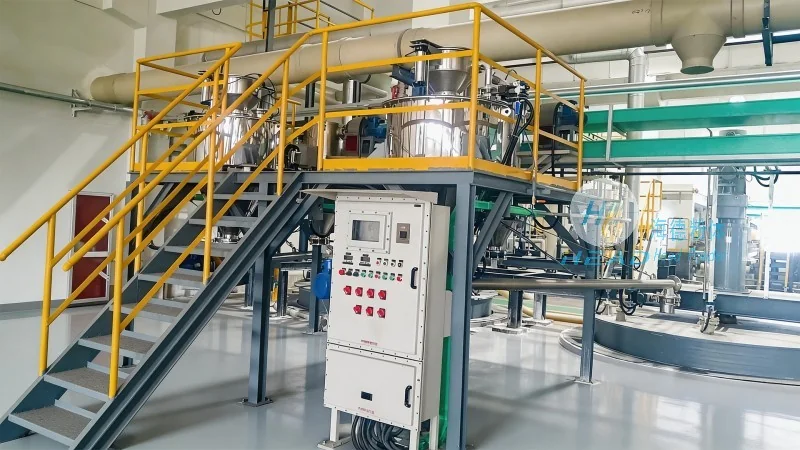
For businesses seeking reliable solutions for high-calcium material handling, Shandong HeadPowder Engineering Co., Ltd. offers advanced pneumatic conveying systems tailored to specific industrial needs. With a focus on innovation and quality, HeadPowder provides customized equipment that meets the unique requirements of clients in the construction and chemical industries. Based in Shandong, China, the company leverages years of experience in engineering and manufacturing to deliver efficient and durable material transport solutions.