With more than 10‑year industry experience, Shandong Headpowder delivers full‑service pneumatic‑conveying systems and blowers, undertaking nationwide turn‑key powder‑handling projects.
HeadPowder, a leading manufacturer based in Shandong, China, specializes in the design, development, and production of advanced pneumatic conveying systems. The company's core product, the Small Bean Pneumatic Conveying Equipment, is engineered to efficiently transport bulk materials like grains, powders, and granules through an air-driven system. This equipment operates on the fundamental principle of pneumatic conveying, where material is suspended and moved by a stream of air under controlled pressure.
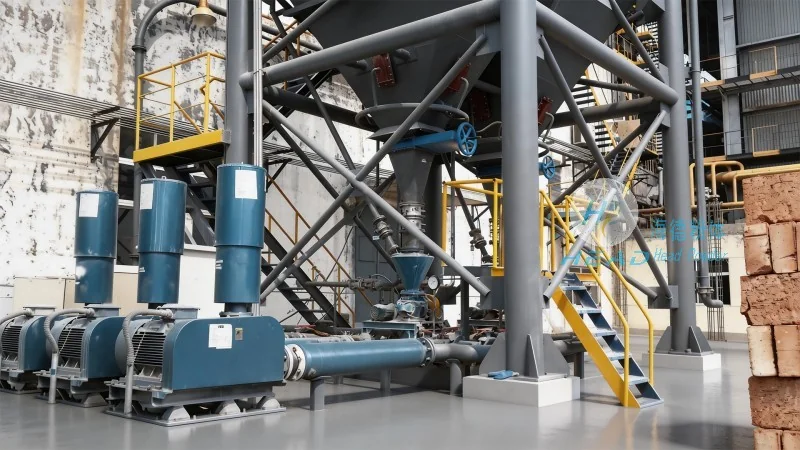
The Small Bean Pneumatic Conveying Equipment utilizes a pressure or vacuum-based system to transport materials. In the pressure system, a blower or compressor generates high-pressure air that pushes the material through a pipeline. The material is typically fed into the system via a hopper or feeder, where it is mixed with the air stream. The air velocity is carefully controlled to ensure the material is fully suspended without causing excessive wear on the equipment. The vacuum system, on the other hand, uses a vacuum pump to draw material from a source into a collection point. Both systems rely on the balance between air velocity and material density to maintain a stable conveying process.
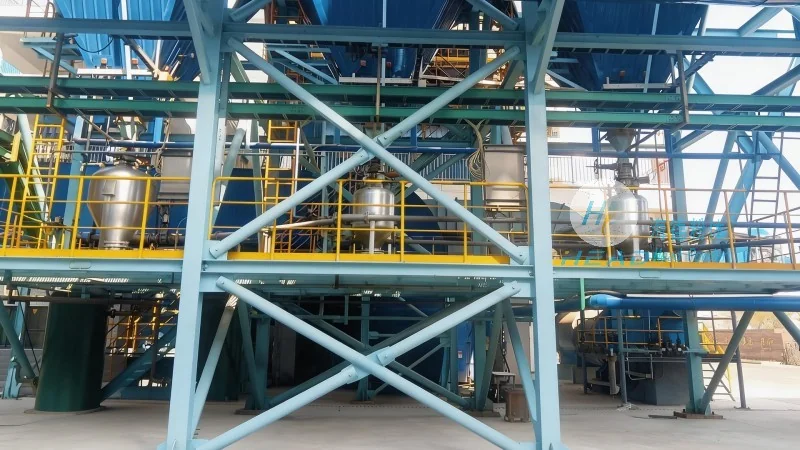
The Small Bean Pneumatic Conveying Equipment consists of several critical components that work in tandem to ensure efficient operation. The main components include the air compressor or vacuum pump, which provides the necessary air pressure or vacuum; the hopper or feeder, which stores and feeds the material into the system; the pipeline network, which transports the material and air; the control valves and regulators, which manage the flow and pressure; and the receiver or silo, which collects the conveyed material at the destination. Each component is designed to withstand the specific demands of handling bulk materials, ensuring durability and reliability in industrial applications.
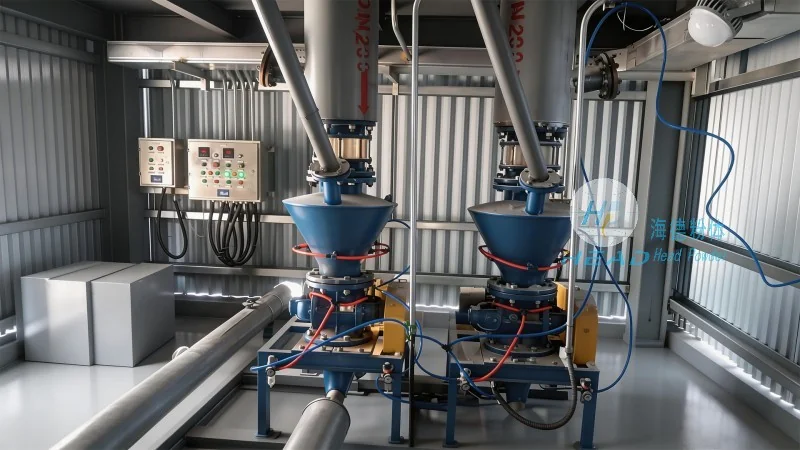
Compared to traditional mechanical conveying methods, the Small Bean Pneumatic Conveying Equipment offers several advantages. One of the primary benefits is the ability to transport materials over long distances without the need for multiple transfer points or intermediate storage. This reduces the overall system complexity and operational costs. Additionally, pneumatic conveying is highly effective in handling materials that are dusty, abrasive, or have a tendency to clog, as the air stream prevents material buildup and ensures smooth flow. The system also allows for easy integration with other processing equipment, such as mixers, classifiers, or packaging machines, enabling a seamless production line. Furthermore, the equipment is relatively compact and can be installed in various industrial settings, making it suitable for both new and existing facilities.
The Small Bean Pneumatic Conveying Equipment is widely used in various industries, including food processing, pharmaceuticals, chemicals, and mining. In the food industry, it is commonly employed to transport grains, flour, and other food powders from storage silos to processing lines, ensuring hygienic and efficient handling. In the pharmaceutical sector, the equipment is used to convey active pharmaceutical ingredients (APIs) and other sensitive powders, maintaining strict contamination control and meeting regulatory standards. The chemical industry utilizes the system to transport powders, granules, and bulk chemicals, while the mining industry applies it for handling minerals and ores. These applications highlight the versatility and adaptability of the equipment, making it a preferred choice for industries requiring reliable and efficient material handling solutions.
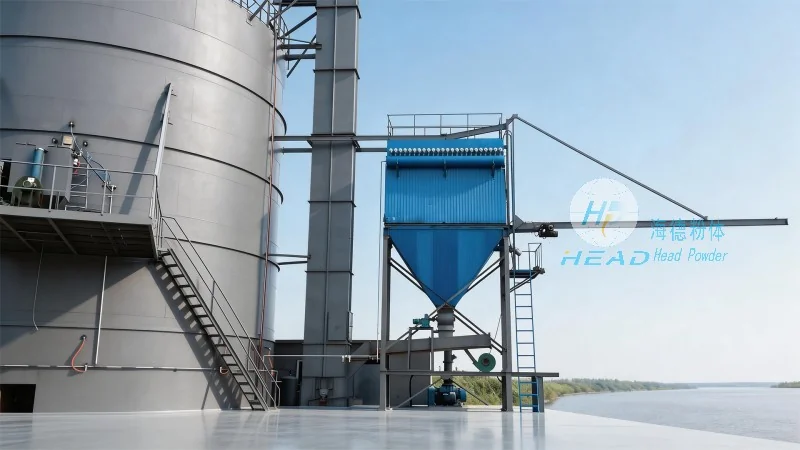
Proper installation and regular maintenance are crucial for the optimal performance and longevity of the Small Bean Pneumatic Conveying Equipment. During installation, the pipeline layout should be designed to minimize bends and pressure drops, as excessive resistance can lead to material deposition or reduced conveying efficiency. The system should be equipped with appropriate filters and separators to remove dust and debris from the air stream, preventing clogging and ensuring clean operation. Regular maintenance tasks include checking the air compressor or vacuum pump for proper operation, inspecting the pipeline for leaks or damage, and cleaning the hopper and feeder to prevent material buildup. By adhering to these maintenance practices, users can maximize the equipment's operational life and minimize downtime, ensuring consistent performance in industrial settings.

 Shandong Headpowder Engineering Co., Ltd.
 156-6277-7102(Manager Zhang)
  0531-83386006
  Zhangqiu District, Jinan City, Shandong Province, China
telephone
WeChatconsult
top