

What is a Positive Pressure Dense Phase Pneumatic Conveying System? And What Are Its Design Principl
Positive pressure dense phase pneumatic conveying systems represent a sophisticated method for transporting bulk materials through a pipeline using pressurized air. This technology is particularly valuable in industries where material handling efficiency, product integrity, and system reliability are paramount. Understanding the core concepts and design principles behind such systems is essential for anyone involved in material handling, process engineering, or industrial operations.
Introduction to Positive Pressure Dense Phase Pneumatic Conveying
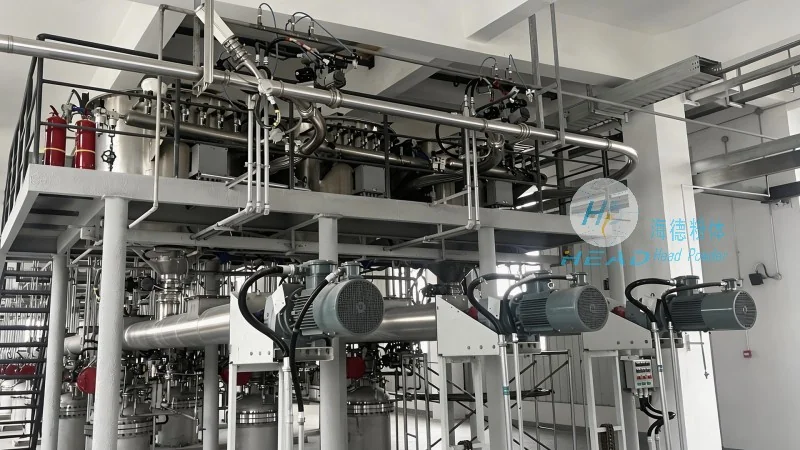
A positive pressure dense phase pneumatic conveying system operates by injecting pressurized air into a pipeline containing bulk material. The air pressure is maintained above atmospheric levels, ensuring that the material flows in a dense, plug-like manner rather than as a dilute cloud. This dense phase transport minimizes material degradation, reduces air consumption, and enhances overall system efficiency compared to traditional dilute phase systems. The system is commonly used for transporting powders, granules, and other bulk solids over moderate to long distances with minimal maintenance requirements.
Key Components of a Positive Pressure Dense Phase System
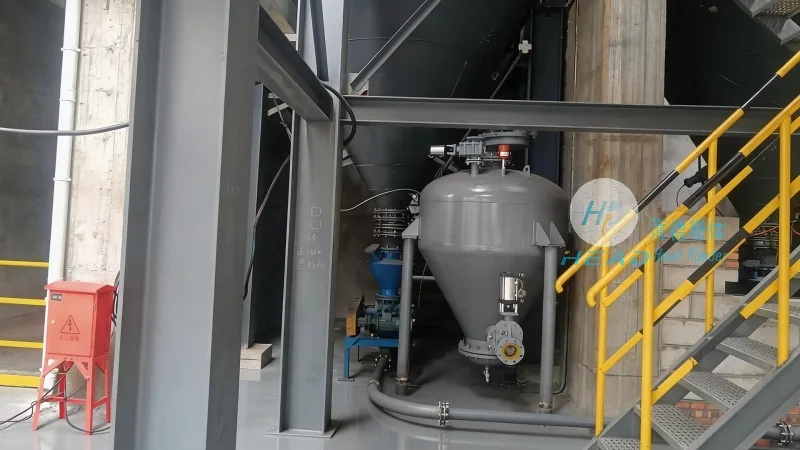
The design of a positive pressure dense phase pneumatic conveying system involves several critical components that work in concert to ensure reliable operation. These components include a material feeder, a positive displacement blower or compressor, a conveying pipeline, a control system, and a discharge unit. The material feeder is responsible for introducing the bulk material into the system at a controlled rate, while the positive displacement blower maintains the necessary pressure to push the material through the pipeline. The conveying pipeline is typically made of durable materials like stainless steel or plastic to withstand the internal pressure and resist corrosion from the conveyed material. The control system monitors and regulates the air pressure, material flow rate, and system pressure to prevent overloading or underpressure conditions. Finally, the discharge unit, such as a rotary valve or a pressure relief valve, safely releases the material from the pipeline at the destination point.
Design Principles for Optimal Performance
The design principles of a positive pressure dense phase pneumatic conveying system are centered on achieving efficient material transport while minimizing energy consumption and maintaining product quality. One of the primary design considerations is the selection of the appropriate air pressure and flow rate. The pressure is typically set to ensure that the material forms a dense plug, which reduces the air-to-material ratio and thus lowers the overall air consumption. The flow rate is adjusted based on the material's characteristics, such as particle size, density, and flowability, to prevent blockages or excessive wear on system components. Another critical design principle is the proper sizing of the conveying pipeline. The diameter and length of the pipeline must be optimized to balance the pressure drop with the required material throughput. A well-designed pipeline minimizes pressure losses, allowing the system to operate efficiently over longer distances without requiring excessive power input. Additionally, the system's control mechanisms play a vital role in maintaining stable operation. Real-time monitoring of pressure, flow, and temperature helps operators detect anomalies early and adjust parameters as needed to prevent system failures or material degradation.
Advantages of Positive Pressure Dense Phase Conveying
Compared to other material handling methods, positive pressure dense phase pneumatic conveying offers several distinct advantages that make it a preferred choice in many industrial applications. One of the most significant benefits is the ability to transport materials with minimal degradation. The dense phase transport reduces the impact and friction between particles, preserving the material's physical and chemical properties. This is particularly important for sensitive materials like pharmaceuticals, food products, or fine powders where even minor changes can affect product quality. Another advantage is the reduced air consumption, which translates to lower operational costs and energy savings. By maintaining a higher air-to-material ratio, the system uses less air while still achieving efficient transport. Furthermore, positive pressure systems are generally more reliable and less prone to blockages compared to dilute phase systems. The plug-like flow of material reduces the risk of clogging, and the pressurized environment helps maintain consistent material flow rates. This reliability is crucial for continuous production processes where downtime can result in significant losses. Finally, the system's compact design and relatively low maintenance requirements make it an attractive option for facilities with limited space or budget constraints.
Applications and Industries
The versatility of positive pressure dense phase pneumatic conveying systems makes them suitable for a wide range of applications across various industries. In the chemical industry, these systems are commonly used to transport powders and granules for processing, storage, and packaging. The ability to handle abrasive or corrosive materials without causing damage to the system or the product makes them ideal for applications involving chemicals, pigments, and additives. The food and beverage industry also benefits from this technology, as it allows for the safe and hygienic transport of food-grade powders and ingredients without cross-contamination or product spoilage. The pharmaceutical industry, where product integrity is non-negotiable, relies on positive pressure systems to maintain the purity and quality of active pharmaceutical ingredients (APIs) and other sensitive materials. Additionally, the system is used in the agricultural sector for transporting grain, fertilizer, and other bulk agricultural products. The construction industry may also utilize these systems for transporting cement, sand, and other construction materials to job sites. Overall, the adaptability of positive pressure dense phase conveying makes it a valuable solution for industries that require efficient, reliable, and low-maintenance material handling solutions.
Case Study: Implementation by Shandong HeadPowder Engineering Co., Ltd.
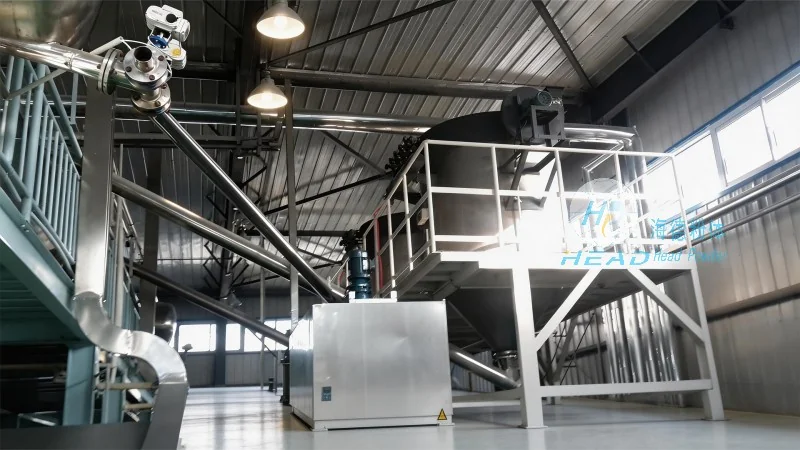
Shandong HeadPowder Engineering Co., Ltd., a leading provider of material handling solutions, has successfully implemented positive pressure dense phase pneumatic conveying systems for numerous clients across China. The company specializes in designing, manufacturing, and installing customized conveying systems tailored to the specific needs of each application. For example, one of their recent projects involved the installation of a positive pressure system for a pharmaceutical manufacturer in Shandong Province. The system was designed to transport fine API powders over a distance of 200 meters with minimal degradation. The system's components, including a positive displacement blower, stainless steel pipeline, and automated control system, were carefully selected to meet the stringent requirements of the pharmaceutical industry. The implementation resulted in a significant improvement in material handling efficiency, with reduced air consumption and lower operational costs compared to traditional methods. The client reported that the system's reliability and product integrity were exceptional, leading to increased production output and customer satisfaction. Another case study involves a chemical company in the same region that used a positive pressure system to transport abrasive pigments. The system's robust design and proper sizing of the pipeline ensured that the material was conveyed without causing excessive wear on components, extending the system's lifespan and reducing maintenance frequency. These successful implementations highlight the expertise and capabilities of Shandong HeadPowder Engineering Co., Ltd. in delivering high-quality positive pressure dense phase pneumatic conveying solutions that meet the diverse needs of industrial clients.
Conclusion and Future Outlook
Positive pressure dense phase pneumatic conveying systems represent a highly effective and efficient method for transporting bulk materials in various industrial applications. The design principles, which focus on maintaining dense phase flow, optimizing air pressure and flow rates, and ensuring proper pipeline sizing, contribute to the system's reliability and performance. The advantages of this technology, including minimal material degradation, reduced energy consumption, and enhanced system reliability, make it a preferred choice for industries that demand high-quality material handling solutions. As industrial processes continue to evolve and demand more efficient and sustainable solutions, the importance of positive pressure dense phase conveying is likely to grow. Companies like Shandong HeadPowder Engineering Co., Ltd. play a crucial role in advancing this technology by providing customized, reliable systems that meet the specific requirements of their clients. With ongoing advancements in materials, control systems, and design methodologies, the future of positive pressure dense phase pneumatic conveying looks promising, offering even greater efficiency and versatility for industrial material handling needs.