With more than 10‑year industry experience, Shandong Headpowder delivers full‑service pneumatic‑conveying systems and blowers, undertaking nationwide turn‑key powder‑handling projects.
For food processing facilities, especially those handling fine powders like bread flour, the reliability of material handling systems is paramount. Pneumatic conveying systems offer an efficient solution for transporting bulk materials, but they are susceptible to pipeline blockages, which can halt production and lead to costly downtime. Understanding and implementing the right design parameters are crucial to maintaining smooth operation and preventing such issues. This article explores how to prevent pipeline blockages in pneumatic conveying systems specifically for bread flour, alongside the key design parameters that ensure optimal performance.
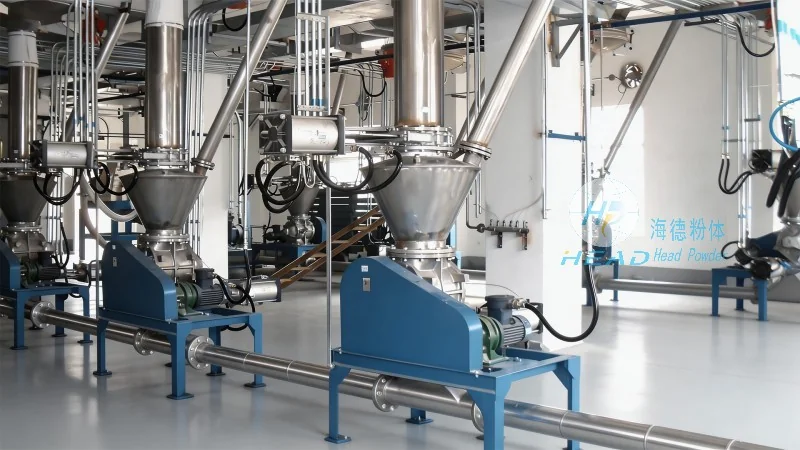
Bread flour, with its fine particle size and cohesive properties, presents unique challenges in pneumatic conveying. Unlike coarser materials, fine powders can easily agglomerate, leading to increased friction and potential blockages within the pipeline. Additionally, the moisture content and hygroscopic nature of bread flour can affect its flow characteristics, making it more prone to sticking to surfaces. These factors necessitate a tailored approach to system design to mitigate blockage risks.
Several critical design parameters must be considered when designing a pneumatic conveying system for bread flour to prevent pipeline blockages. These parameters are interrelated and must be optimized based on the specific characteristics of the flour and the system's operational requirements.
The air-to-solid ratio, or ASR, is a fundamental parameter that dictates the conveying velocity and the likelihood of blockages. It is calculated as the ratio of the volumetric flow rate of air to the volumetric flow rate of the solid material. For bread flour, an optimal ASR typically ranges from 1.5 to 3.0, depending on the particle size and the desired conveying velocity. A higher ASR increases the conveying velocity, reducing the time particles spend in the pipeline and minimizing the risk of agglomeration. However, excessively high ASR can lead to energy inefficiency and increased wear on system components. The selection of an appropriate ASR is critical to balancing conveying efficiency with blockage prevention.
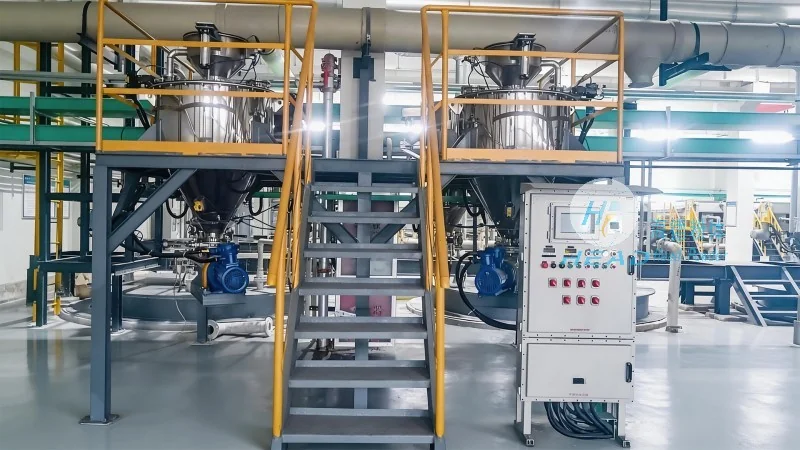
The diameter of the conveying pipeline and its length significantly impact the risk of blockages. Larger diameter pipes reduce the velocity of the material-air mixture, which can help prevent excessive friction and particle collision. However, overly large diameters increase the system's capital cost and energy consumption. For bread flour, a common pipeline diameter range is 50 to 100 mm, depending on the throughput requirements. The length of the pipeline also plays a role; longer pipelines may require additional air boosters or larger diameter sections to maintain sufficient velocity and prevent material settling. Proper sizing of the pipeline ensures that the material-air mixture maintains a consistent velocity throughout the system, reducing the likelihood of blockages.
Conveying velocity is another critical parameter that directly influences blockage risk. It refers to the speed at which the material is transported through the pipeline. For fine powders like bread flour, a conveying velocity of 20 to 30 meters per second is often recommended to prevent agglomeration and maintain flow. Higher velocities can help break up any potential agglomerates and keep the material in suspension. However, excessively high velocities can cause erosion of the pipeline and increase energy consumption. The optimal conveying velocity must be determined based on the material's properties and the system's design constraints. Maintaining a consistent velocity throughout the pipeline is essential to avoid areas where the material may settle and cause blockages.
The physical and chemical properties of bread flour itself are a key factor in system design. Particle size distribution, moisture content, and hygroscopicity all affect how the material behaves in the conveying system. For instance, finer particles have a higher surface area and are more prone to sticking to the pipeline walls. Understanding these characteristics allows engineers to select appropriate materials for the pipeline (e.g., stainless steel or PTFE-coated surfaces) and adjust the conveying parameters accordingly. Additionally, pre-drying or conditioning of the flour can improve its flowability and reduce the risk of blockages, especially in humid environments.
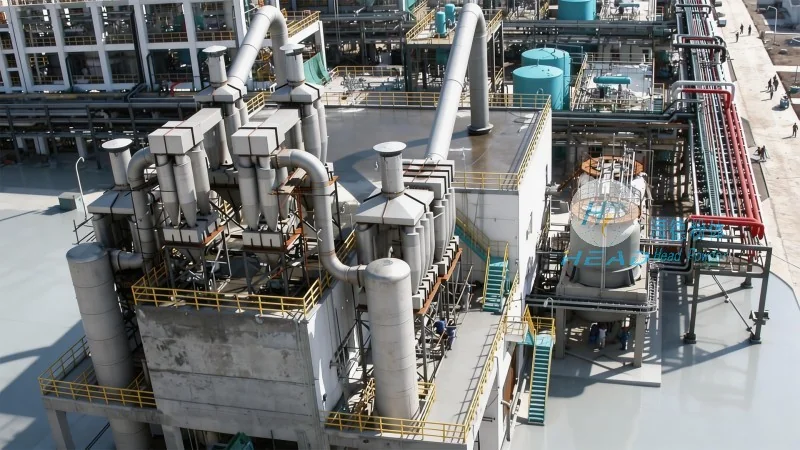
The overall configuration of the pneumatic conveying system, including the type of conveying (e.g., dilute-phase or dense-phase), the number of air boosters, and the placement of in-line mixers or vibrators, also impacts blockage prevention. Dilute-phase systems, where the material is suspended in air, are generally more effective for fine powders like bread flour as they maintain higher velocities and reduce the risk of agglomeration. Dense-phase systems, on the other hand, use lower velocities and higher air-to-solid ratios, which can be beneficial for handling more cohesive materials but may require additional equipment to prevent blockages. The placement of air boosters and in-line mixers is crucial to ensure consistent velocity and prevent material settling in the pipeline.
Combining the right design parameters with proper maintenance and operational practices is essential for preventing pipeline blockages in pneumatic conveying systems for bread flour. Regular cleaning of the pipeline, especially after periods of low activity or changes in flour batch, can remove any accumulated material and prevent blockages. Additionally, monitoring system performance through sensors that track pressure, flow rate, and temperature can help identify potential issues before they escalate into blockages. Training operators on the proper handling of the material and the system's operational parameters also contributes to reliable operation.
Preventing pipeline blockages in pneumatic conveying systems for bread flour requires a comprehensive approach that considers the material's properties, system design parameters, and operational practices. By optimizing the air-to-solid ratio, pipeline diameter and length, conveying velocity, and material characteristics, along with a well-configured system and regular maintenance, facilities can ensure smooth and efficient material handling. Companies like Shandong HeadPowder Engineering Co., Ltd., with expertise in pneumatic conveying systems, offer tailored solutions that address these challenges, helping food processing facilities maintain productivity and minimize downtime.

 Shandong Headpowder Engineering Co., Ltd.
 156-6277-7102(Manager Zhang)
  0531-83386006
  Zhangqiu District, Jinan City, Shandong Province, China
telephone
WeChatconsult
top