With more than 10‑year industry experience, Shandong Headpowder delivers full‑service pneumatic‑conveying systems and blowers, undertaking nationwide turn‑key powder‑handling projects.
For industries dealing with heavy powders, the efficient and reliable operation of pneumatic conveying systems is paramount. However, a common challenge is the risk of pipeline blockages, which can halt production and lead to costly downtime. Understanding how to prevent these blockages and the critical design parameters involved is essential for optimizing system performance. This article explores effective strategies and key design considerations for preventing pipeline blockages in heavy powder conveying systems, with insights from Shandong HeadPowder Engineering Co., Ltd., a leading provider in the field.
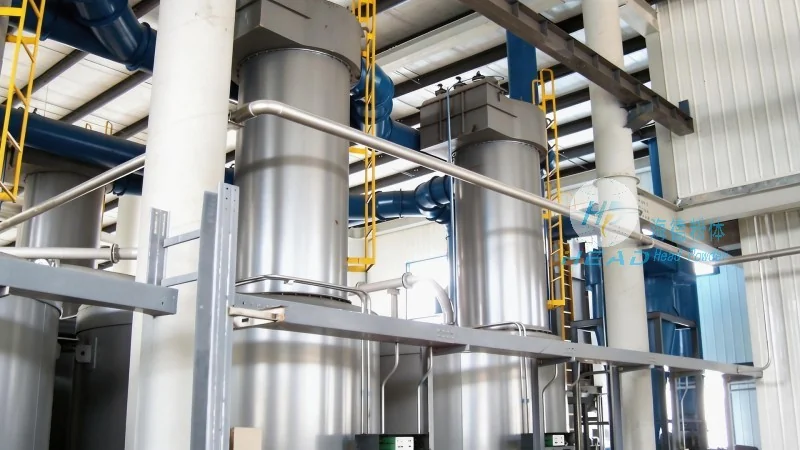
Heavy powders, such as cement, coal ash, or mineral powders, present unique challenges when transported via pneumatic systems. These materials often have high moisture content, variable particle sizes, or cohesive properties that can lead to agglomeration and blockages within the pipeline. When a blockage occurs, it can cause pressure surges, system shutdowns, and even equipment damage. Therefore, implementing proactive measures to prevent blockages is crucial for maintaining smooth operations and minimizing operational costs.
Several key design parameters play a vital role in preventing pipeline blockages in pneumatic conveying systems. The first is the system pressure, which must be optimized to ensure sufficient velocity to keep the powder in suspension while avoiding excessive pressure that could cause wear or damage. Shandong HeadPowder Engineering Co., Ltd. emphasizes the importance of selecting the appropriate pressure level based on the specific characteristics of the powder being conveyed. For example, high-pressure systems are suitable for abrasive or cohesive powders, while low-pressure systems may be adequate for less problematic materials.
Another critical parameter is the pipe diameter. The diameter of the conveying pipeline directly impacts the velocity of the powder-air mixture. A larger diameter may reduce the velocity, increasing the risk of settling and blockage, whereas a smaller diameter can maintain higher velocities but may lead to higher energy consumption. Engineers at HeadPowder recommend matching the pipe diameter to the particle size distribution of the powder, ensuring that the mixture remains in a fluidized state throughout the conveying process.
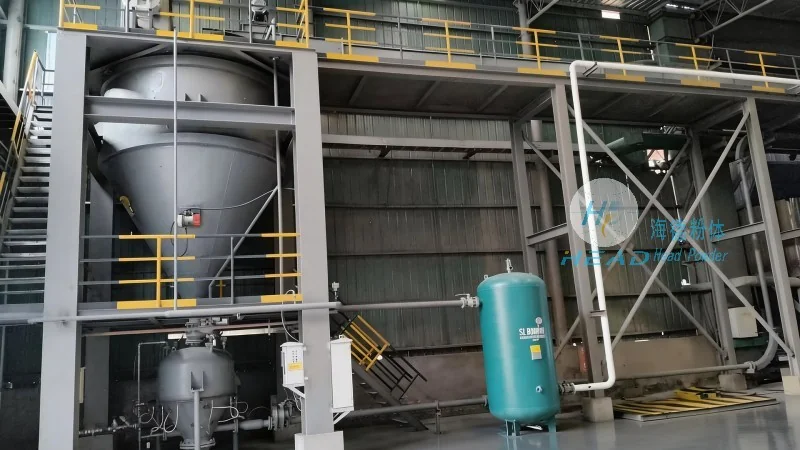
The velocity of the conveying air is also a key factor. Insufficient velocity can cause the powder particles to settle and adhere to the pipe walls, leading to blockages. Conversely, excessively high velocity may cause erosion of the pipe material or increase energy costs. The optimal velocity is typically determined by the powder's density, particle size, and flowability. Shandong HeadPowder Engineering Co., Ltd. uses advanced computational fluid dynamics (CFD) models to calculate the ideal velocity for each application, ensuring efficient and blockage-free operation.
The choice of pipeline material is another critical aspect of preventing blockages. Materials like stainless steel, polyethylene, or special coatings can resist corrosion and abrasion caused by the powder. HeadPowder recommends using materials that are compatible with the specific powder being conveyed, such as stainless steel for corrosive powders or high-density polyethylene for abrasive materials. Additionally, the internal surface finish of the pipeline should be smooth to minimize friction and reduce the likelihood of particle accumulation.
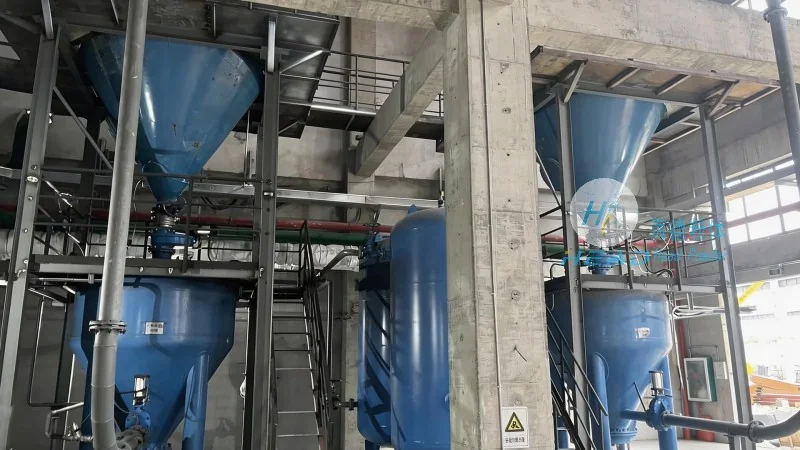
System layout and the inclusion of features like expansion joints, bends, and surge tanks also contribute to blockage prevention. Properly designed bends and elbows should have smooth transitions to avoid turbulence and particle separation. Expansion joints allow for thermal expansion and contraction, preventing stress on the pipeline that could lead to cracks or blockages. Surge tanks or day tanks can store excess material, preventing overfilling and reducing the risk of blockages in the main pipeline.
Even with optimal design, regular monitoring and maintenance are essential to prevent pipeline blockages. Shandong HeadPowder Engineering Co., Ltd. suggests implementing a proactive maintenance schedule that includes cleaning the pipeline, checking for wear and tear, and monitoring pressure and flow rates. Advanced monitoring systems, such as pressure sensors and flow meters, can detect early signs of blockage or system inefficiencies, allowing for timely intervention. Additionally, training operators on the proper operation and maintenance of the system can help prevent human error-related blockages.
Preventing pipeline blockages in heavy powder conveying systems requires a comprehensive approach that considers system design, material selection, and operational practices. By optimizing key parameters such as pressure, pipe diameter, and conveying velocity, and implementing proper monitoring and maintenance strategies, industries can significantly reduce the risk of blockages and ensure the reliable operation of their pneumatic conveying systems. Shandong HeadPowder Engineering Co., Ltd. offers expert guidance and customized solutions to help clients achieve efficient and blockage-free powder transport, supporting their operational goals and productivity.

 Shandong Headpowder Engineering Co., Ltd.
 156-6277-7102(Manager Zhang)
  0531-83386006
  Zhangqiu District, Jinan City, Shandong Province, China
telephone
WeChatconsult
top