With more than 10‑year industry experience, Shandong Headpowder delivers full‑service pneumatic‑conveying systems and blowers, undertaking nationwide turn‑key powder‑handling projects.
When it comes to transporting feathers using pneumatic conveying systems, preventing pipeline blockages is a critical concern for operators. Blockages can lead to system downtime, increased maintenance costs, and reduced efficiency. Understanding and implementing the right design parameters is essential to ensure smooth and reliable operation. This article explores effective strategies and key design considerations to prevent blockages in pneumatic conveying systems specifically for feather transport.
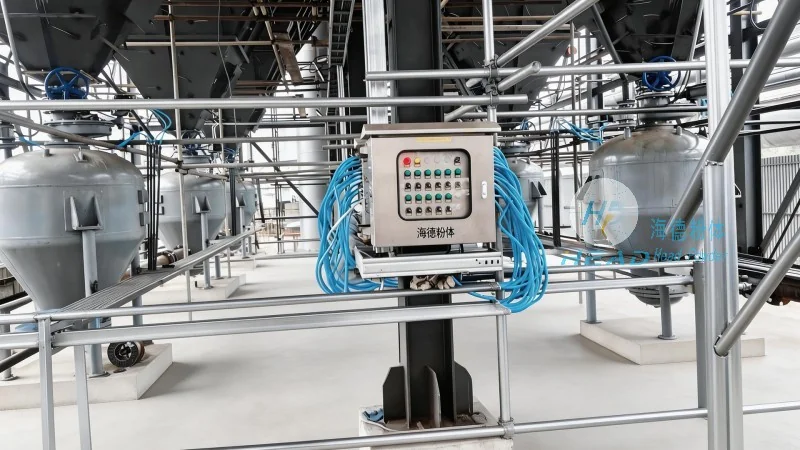
Feathers are lightweight, irregularly shaped particles that can pose unique challenges in pneumatic conveying. Unlike bulk solids like grains or powders, feathers have a low bulk density and can easily become airborne, leading to uneven flow and potential blockages. The nature of feathers, with their fibrous and porous structure, means they can cling to pipe walls or form agglomerates if not properly handled. This makes it crucial to tailor the pneumatic conveying system design to accommodate the specific properties of feathers.
Several critical design parameters must be considered to minimize the risk of blockages in pneumatic conveying systems used for feather transport. These parameters are interrelated and must be optimized together to achieve optimal performance.
The diameter of the conveying pipeline is a primary factor affecting flow and the likelihood of blockages. Larger diameter pipes generally reduce the risk of blockages as they allow for higher air velocities and better distribution of the material. However, excessively large diameters can increase system costs and energy consumption. For feather transport, a common recommendation is to use pipes with diameters ranging from 100mm to 200mm, depending on the volume of feathers being conveyed. The length of the pipeline also plays a role; longer runs may require additional air boosters or pressure maintenance to prevent pressure drop and potential blockages.
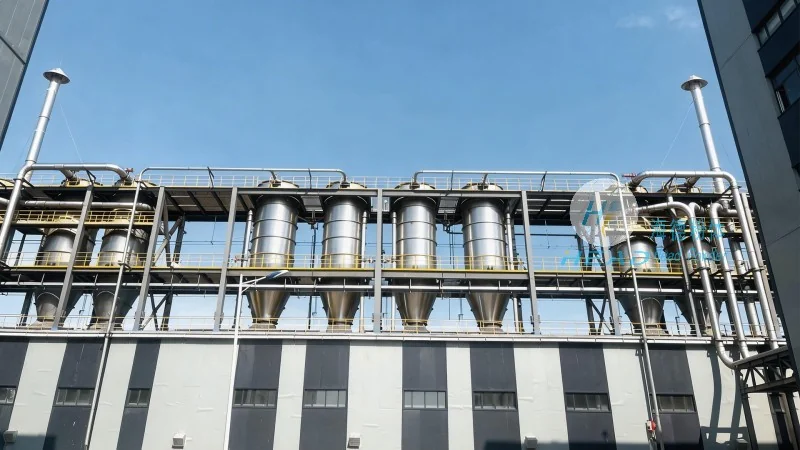
Air velocity is a critical parameter that determines whether the material will remain suspended in the air stream. For feathers, the required air velocity is typically higher than for denser materials due to their low density. The air velocity must be sufficient to keep the feathers in suspension but not so high as to cause excessive wear on the system components or increase energy costs. The system pressure is also important; maintaining consistent pressure throughout the pipeline helps prevent pressure drops that can lead to material settling and blockages. Properly sized air compressors and pressure regulators are essential to ensure stable pressure levels.
The concentration of feathers in the air stream, often referred to as the "loading ratio," is another key factor. Too high a concentration can lead to the formation of dense plugs or agglomerates, while too low a concentration may result in inefficient use of air and increased energy consumption. The feed rate must be carefully controlled to match the system's capacity and maintain an optimal loading ratio. Variable feeders or controlled feed mechanisms can help regulate the material flow and prevent overloading the system.
The layout of the pneumatic conveying system, including the number and angle of bends, can significantly impact the risk of blockages. Sharp bends can cause feathers to impact the pipe walls and accumulate, leading to blockages. Using larger radius bends or incorporating special fittings designed for low-pressure loss and reduced turbulence can help mitigate this issue. Additionally, the placement of air knives or air cannons at strategic points can help break up any agglomerates and maintain a smooth flow.
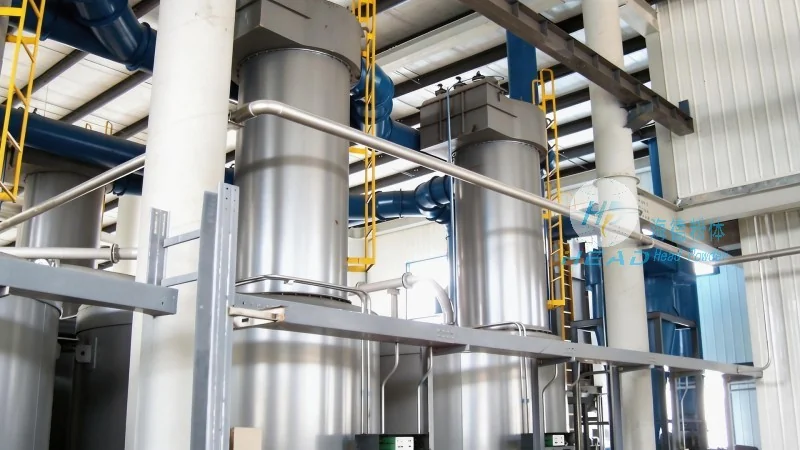
Pre-treatment of the feathers, such as drying or conditioning, can improve their flow characteristics and reduce the likelihood of blockages. Damp or wet feathers are more prone to sticking together and forming clumps. Conditioning the feathers with appropriate moisture levels can enhance their flowability. Furthermore, using pre-screening or magnetic separation equipment can remove foreign objects that might cause blockages or damage to the system.
Even with proper design, regular maintenance and operational best practices are essential to prevent blockages and ensure long-term system performance. Regular cleaning of the pipeline, especially after periods of inactivity or when handling different materials, can remove accumulated debris. Monitoring system pressure and air flow rates in real-time allows operators to detect any changes that may indicate an impending blockage and take corrective action promptly. Implementing a preventive maintenance schedule, including inspections of components like filters, valves, and air compressors, helps identify and address potential issues before they lead to blockages.
Preventing pipeline blockages in pneumatic conveying systems for feather transport requires a comprehensive approach that considers multiple design parameters and operational practices. By optimizing pipeline diameter, air velocity and pressure, material concentration, system layout, and material handling, operators can significantly reduce the risk of blockages and improve the overall efficiency of their systems. The expertise of companies like Shandong HeadPowder Engineering Co., Ltd., with their specialized knowledge in pneumatic conveying systems for delicate materials, can provide valuable guidance in designing and implementing effective solutions for feather transport applications.

 Shandong Headpowder Engineering Co., Ltd.
 156-6277-7102(Manager Zhang)
  0531-83386006
  Zhangqiu District, Jinan City, Shandong Province, China
telephone
WeChatconsult
top