

What is the Pneumatic Conveying Equipment for Alumina Particle Materials? And What Are Its Design Pr
Alumina, a crucial industrial material widely used in sectors such as ceramics, refractories, and chemical industries, often requires efficient transportation methods to move its granular or powder forms. Pneumatic conveying equipment has become a preferred solution for handling alumina particle materials due to its ability to transport these materials in a dust-free, controlled manner. This article explores what pneumatic conveying equipment for alumina particle materials is and delves into the design principles that make such systems effective and efficient.
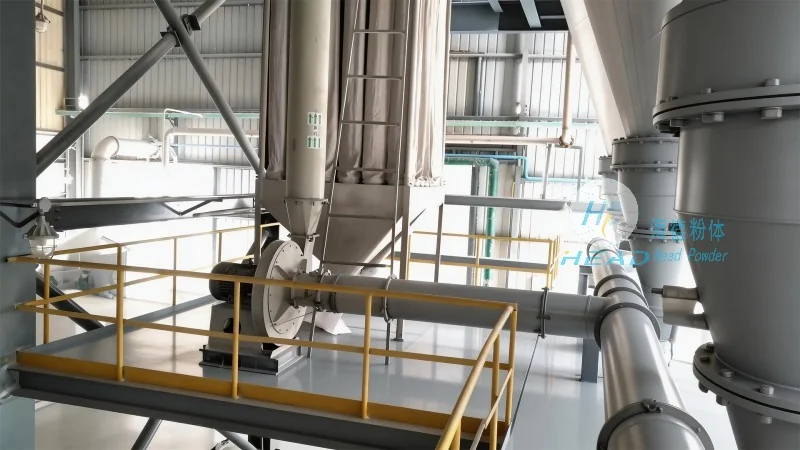
Understanding Pneumatic Conveying Equipment for Alumina Particle Materials
Pneumatic conveying equipment, or pneumatic transport systems, utilizes air or gas to move bulk materials like alumina particles through a pipeline network. Unlike traditional mechanical conveyors (e.g., belts, buckets, or screw conveyors), pneumatic systems offer advantages such as reduced dust generation, lower maintenance needs, and the capacity to transport materials over longer distances with minimal disruption. For alumina—often sensitive to moisture and contamination—these benefits are critical, ensuring the material remains in optimal condition throughout the conveying process.
Key Components of Pneumatic Conveying Systems for Alumina
Core components of pneumatic conveying systems for alumina particle materials include a material feed hopper, an air supply system (e.g., blower or compressor), a conveying line (typically made of stainless steel or corrosion-resistant materials to handle alumina's chemical properties), and a discharge device at the receiving end. The feed hopper stores and meters alumina particles into the system, while the air supply provides the necessary pressure and velocity to move particles through the pipeline. The conveying line's design—diameter, length, and bends—is critical to system performance. The discharge device ensures safe, spill-free release of alumina at the destination.
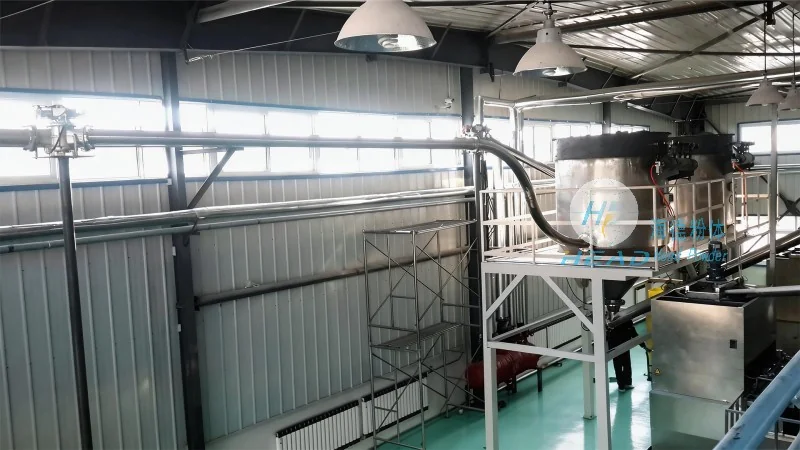
Design Principles for Efficient Alumina Pneumatic Conveying
The design of pneumatic conveying equipment for alumina is guided by principles to optimize performance, energy use, and material integrity. A key consideration is air velocity: it must be high enough to overcome gravitational forces and keep particles suspended, but not excessively high to avoid energy waste or component wear. Engineers calculate optimal velocity based on particle size, density, and flow rate. System pressure and flow rate are also critical: positive pressure systems (air forced into the line) suit short-to-medium distances and materials prone to clogging, while negative pressure systems (air drawn from the source) are ideal for longer distances and dust control. The choice depends on distance, material characteristics, and environmental regulations.
Advantages of Pneumatic Conveying for Alumina Particle Materials
Pneumatic conveying offers several advantages over traditional methods. It provides a dust-free environment, protecting alumina quality and worker health—unlike mechanical conveyors that generate significant dust. The system is flexible, allowing changes in flow direction and distribution to multiple destinations from a single source. It also requires less maintenance due to fewer moving parts and less exposure to abrasive materials, reducing operational costs. Additionally, its versatility in handling various alumina particle sizes and flow rates makes it adaptable to diverse industrial applications.
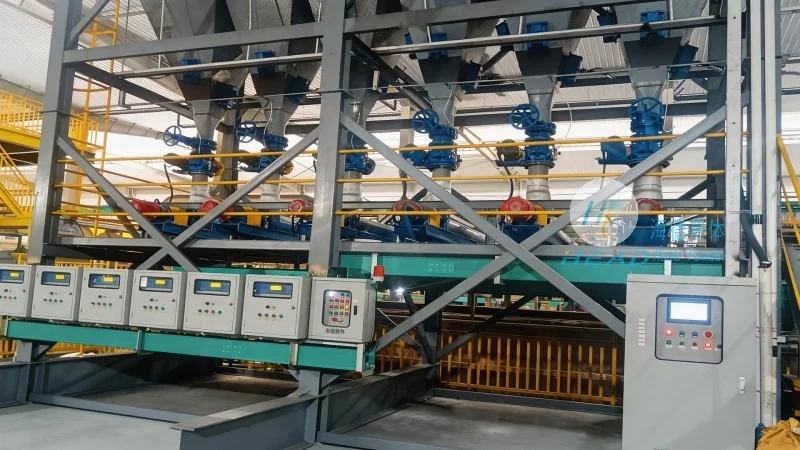
Applications of Pneumatic Conveying Equipment in Alumina Processing
Pneumatic conveying equipment is widely used in alumina processing for applications like ceramic manufacturing (transporting alumina from silos to mixing equipment), chemical industry (moving alumina to reactors as a catalyst support), and refractory production (delivering alumina to high-temperature production lines). Its flexibility suits both small-scale and large-scale operations, catering to the industry's varied needs.
Conclusion and Company Overview
Pneumatic conveying equipment for alumina particle materials is a sophisticated solution for efficient material handling. By leveraging air movement and material suspension principles, these systems offer dust control, flexibility, and operational efficiency. The design requires careful consideration of material properties and system requirements. Shandong HeadPowder Engineering Co., Ltd., commonly known as HeadPowder, specializes in designing, manufacturing, and installing pneumatic conveying systems tailored to alumina processing needs. HeadPowder, based in Shandong, China, focuses on quality, reliability, and customer satisfaction, delivering customized solutions that meet industry standards. With expertise in the field, HeadPowder provides long-term value and performance for businesses seeking to enhance their alumina handling capabilities, whether for new installations or system upgrades.