With more than 10‑year industry experience, Shandong Headpowder delivers full‑service pneumatic‑conveying systems and blowers, undertaking nationwide turn‑key powder‑handling projects.
Activated carbon material handling systems are critical components in industrial processes that involve the transportation and processing of activated carbon, a highly porous carbon material widely used for adsorption applications. Understanding the mechanisms and design principles behind these systems is essential for optimizing operational efficiency, ensuring material integrity, and maintaining system reliability. This article provides an overview of activated carbon material handling, focusing on key design considerations and operational aspects.
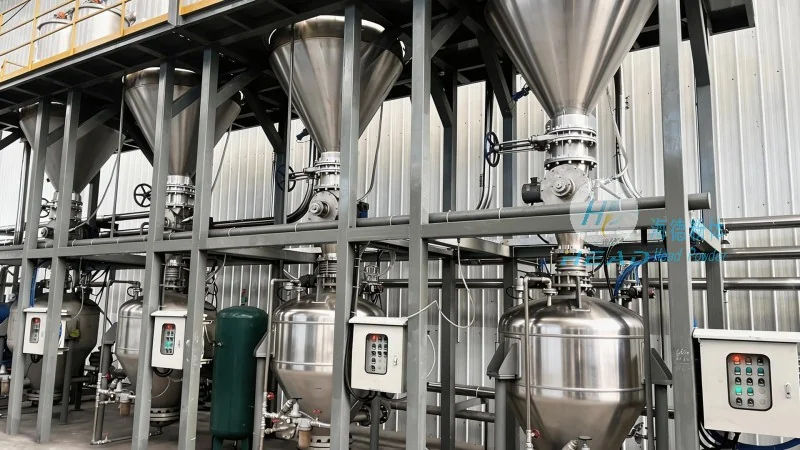
Activated carbon, also known as activated charcoal, is a carbon-based material produced through a process of carbonization and activation, which creates a highly porous structure with a large surface area. This structure enables activated carbon to effectively adsorb various contaminants, including organic compounds, odors, and gases, making it indispensable in industries such as water treatment, air purification, and chemical processing. Material handling systems for activated carbon are designed to transport this material from storage to processing units, ensuring it is delivered in a consistent and controlled manner. The primary goal of these systems is to minimize material degradation, prevent contamination, and maintain the material's adsorption properties throughout the handling process.
The design of activated carbon material handling systems must adhere to several fundamental principles to ensure optimal performance. First, the system must minimize mechanical stress and abrasion on the activated carbon particles, as these can damage the porous structure and reduce adsorption efficiency. This is typically achieved through the use of gentle handling equipment, such as belt conveyors with soft surfaces or pneumatic conveying systems that use low-velocity air to move the material. Second, the system should maintain a consistent flow rate and prevent material segregation, which can occur if different particle sizes or densities are not properly separated. Segregation can lead to uneven distribution of the material and reduced effectiveness in downstream processes. To address this, design elements like vibrating feeders and inclined chutes are often incorporated to ensure uniform material movement.
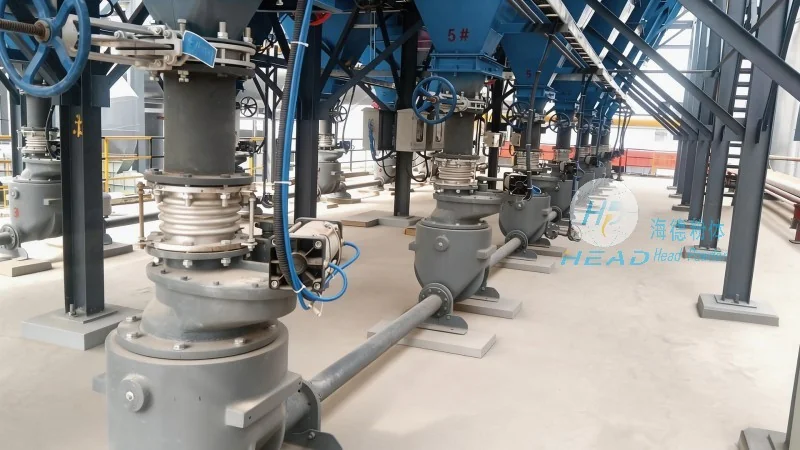
Third, the system must control moisture and temperature levels to preserve the activated carbon's properties. Activated carbon is hygroscopic, meaning it can absorb moisture from the air, which may affect its adsorption capacity. Therefore, material handling systems often include drying or dehumidification stages to maintain the material's moisture content within acceptable limits. Additionally, temperature control is crucial, as high temperatures can cause the carbon to degrade or release volatile compounds. The design may incorporate insulated pipelines or temperature-regulated storage areas to mitigate these risks. Fourth, the system should incorporate safety features to prevent dust explosions, a common hazard in handling fine powders like activated carbon. This includes explosion-proof equipment, dust collection systems, and proper ventilation to keep dust concentrations below explosive limits.
Several types of equipment are commonly used in activated carbon material handling systems, each serving specific functions in the process. Belt conveyors are widely used for horizontal or slight incline transport, providing a reliable and low-maintenance method for moving bulk activated carbon. These conveyors often feature smooth, non-stick surfaces to prevent material buildup and ensure consistent flow. Pneumatic conveying systems, on the other hand, use air to transport the material through pipelines, making them suitable for vertical or long-distance transport. These systems can be either positive or negative pressure, with positive pressure systems being more common for handling fine powders due to their ability to maintain consistent air flow and prevent dust leakage. Screw conveyors are another option, particularly for handling materials with a higher moisture content or those that tend to stick together. Screw conveyors use rotating screws to move material along a tube, providing gentle handling and preventing material degradation.
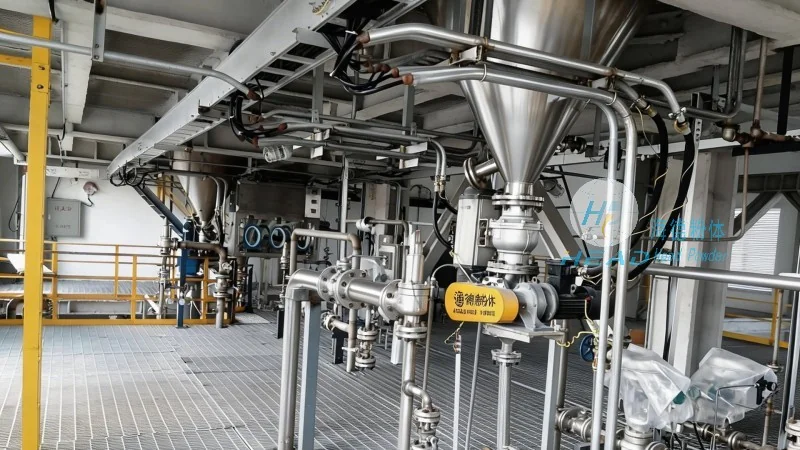
Effective operation of activated carbon material handling systems requires careful attention to operational parameters and regular maintenance. Regular monitoring of material flow rates, pressure differentials, and temperature levels is essential to detect any deviations that may indicate system issues. For example, a sudden drop in pressure in a pneumatic conveying system could indicate a blockage or a decrease in material flow, requiring immediate inspection and repair. Additionally, the system should be equipped with cleaning and maintenance protocols to prevent the buildup of material on equipment surfaces. This includes periodic cleaning of conveyor belts, pipeline interiors, and storage bins to ensure smooth operation and prevent material degradation. Proper training of operators on the safe operation of the equipment is also critical, as activated carbon dust can pose respiratory hazards and the systems may involve high-pressure air or moving parts.
Activated carbon material handling systems play a vital role in industrial processes by ensuring the efficient and safe transport of this critical adsorbent material. The design principles, equipment selection, and operational considerations outlined in this article are essential for optimizing system performance and maintaining the quality of the activated carbon. By adhering to these guidelines, industries can enhance operational efficiency, reduce material losses, and ensure the long-term effectiveness of their activated carbon applications. As technology advances, ongoing research and development in material handling systems will continue to improve the performance and reliability of activated carbon processing, supporting the growing demand for this versatile material in various industries.

 Shandong Headpowder Engineering Co., Ltd.
 156-6277-7102(Manager Zhang)
  0531-83386006
  Zhangqiu District, Jinan City, Shandong Province, China
telephone
WeChatconsult
top