

What is Dry FGD Agent Material Handling? And What Are Its Design Principles?
Dry flue gas desulfurization (FGD) agent material handling is a critical component in modern industrial processes, particularly in power plants and other facilities that rely on flue gas treatment to reduce sulfur dioxide emissions. The efficient and reliable transport of dry FGD agents is essential for maintaining optimal desulfurization performance and ensuring the overall operational efficiency of the system. This article explores the concept of dry FGD agent material handling, detailing its key aspects and the underlying design principles that govern its implementation.
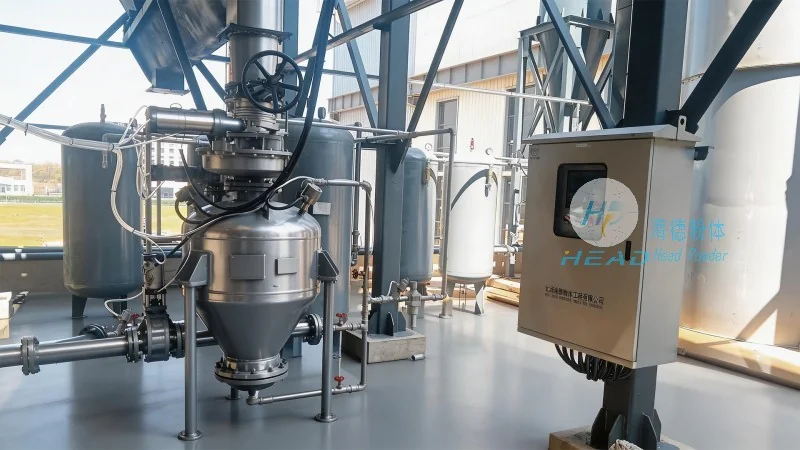
Understanding Dry FGD Agents and Their Role
Dry FGD agents, typically calcium-based compounds such as limestone or calcium carbonate, are used to neutralize sulfur dioxide (SO₂) in flue gases. These agents are introduced into the gas stream in a dry form, which distinguishes this method from wet FGD processes. The primary goal of dry FGD is to convert SO₂ into solid byproducts, such as calcium sulfite or calcium sulfate, which can then be collected and disposed of or reused. The material handling system is responsible for delivering these dry agents to the point of injection in the flue gas stream, ensuring a consistent and controlled flow.
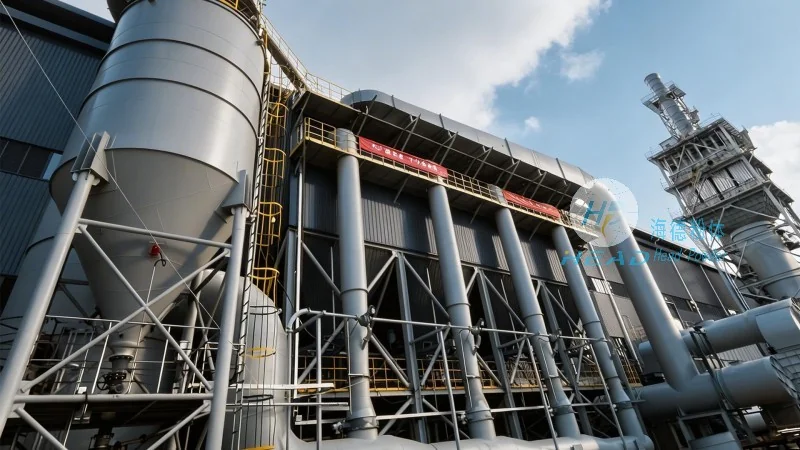
Key Components of Dry FGD Agent Material Handling Systems
Effective dry FGD agent material handling systems consist of several interconnected components that work together to achieve the desired performance. These components include feeders, conveyors, storage silos, and injection systems. Each component plays a vital role in the overall operation:
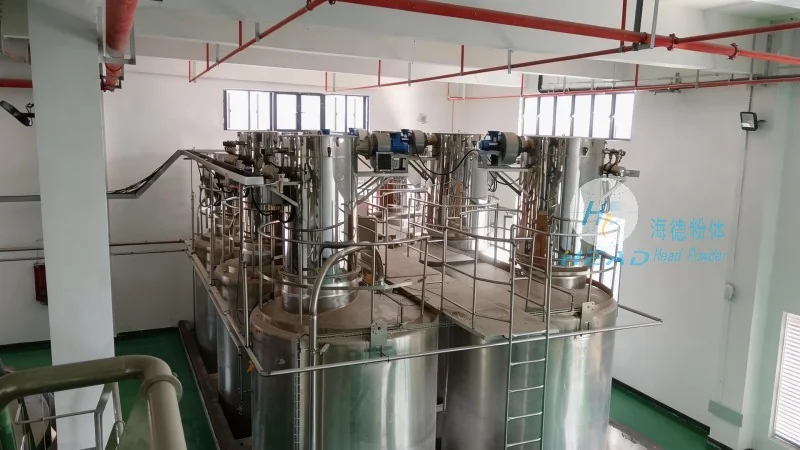
- Feeders: Feeders are responsible for accurately measuring and dispensing the dry FGD agent from the storage silo. They ensure a consistent flow rate, which is crucial for maintaining the desired SO₂ removal efficiency. Common types of feeders include rotary, vibratory, and screw feeders, each with its own advantages depending on the specific application.
- Conveyors: Conveyors transport the dry FGD agent from the feeder to the injection point. These systems can be pneumatic (air-driven) or mechanical (belt, screw, or chain conveyors). Pneumatic conveyors are often preferred for their ability to handle fine powders and provide flexibility in layout, while mechanical conveyors offer higher capacity and reliability for bulk material transport.
- Storage Silos: Storage silos are used to store the dry FGD agent before it is fed to the system. These silos are typically made of steel or concrete and are designed to maintain the material's quality and prevent moisture ingress, which could affect the agent's reactivity.
- Injection Systems: The injection system introduces the dry FGD agent into the flue gas stream at the optimal location. This is usually done using a high-pressure or high-velocity nozzle that ensures the agent is well-mixed with the gas, maximizing contact time and reaction efficiency.
Design Principles for Dry FGD Agent Material Handling
The design of a dry FGD agent material handling system must adhere to several key principles to ensure optimal performance, safety, and reliability. These principles include:
- Material Compatibility: The system components must be compatible with the dry FGD agent to prevent corrosion or degradation. For example, materials like stainless steel or special alloys are often used for parts that come into direct contact with the agent.
- Flow Control and Uniformity: Precise control over the flow rate and distribution of the dry agent is essential to maintain consistent SO₂ removal efficiency. This requires accurate measurement and control systems, such as mass flow meters and variable speed drives.
- Prevention of Moisture and Agglomeration: Moisture can cause the dry agent to clump or agglomerate, leading to blockages in the system. Therefore, the system must include measures to keep the material dry, such as moisture sensors and drying equipment if necessary.
- Safety and Environmental Considerations: The system must be designed with safety in mind, including proper ventilation to prevent dust accumulation and explosion hazards. Additionally, the design should minimize the environmental impact by preventing dust emissions and ensuring proper waste disposal of byproducts.
Operational Considerations and Maintenance
Once a dry FGD agent material handling system is installed and operational, regular maintenance is crucial to ensure long-term performance. Key operational considerations include:
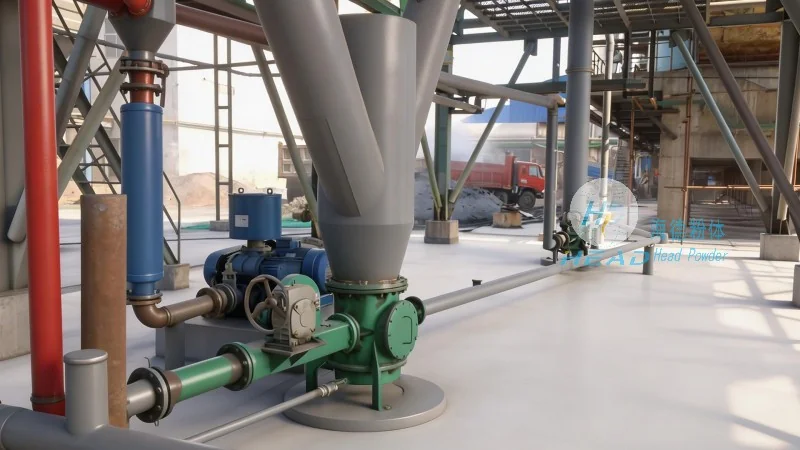
- Regular Inspection: Periodic inspection of all components, including feeders, conveyors, and silos, is necessary to detect any signs of wear, corrosion, or blockages.
- Calibration and Adjustment: The system's flow rates and control parameters should be calibrated regularly to maintain optimal performance. This may involve adjusting feeder speeds, conveyor speeds, or injection pressures based on operational conditions.
- Filter and Dust Collection: Proper filtration and dust collection systems are essential to prevent dust emissions and protect personnel from exposure to fine particles. These systems help maintain compliance with environmental regulations and ensure workplace safety.
Conclusion
Dry flue gas desulfurization agent material handling is a complex but vital process in modern industrial applications. The design and operation of these systems require careful consideration of material properties, flow dynamics, and safety requirements. By adhering to the principles outlined above, facilities can ensure efficient and reliable SO₂ removal, contributing to a cleaner environment and compliance with environmental regulations. Shandong HeadPowder Engineering Co., Ltd. specializes in providing advanced solutions for dry FGD agent material handling, leveraging years of experience and expertise to deliver high-quality systems that meet the needs of various industrial sectors.