With more than 10‑year industry experience, Shandong Headpowder delivers full‑service pneumatic‑conveying systems and blowers, undertaking nationwide turn‑key powder‑handling projects.
Molybdenum oxide is a critical material in various industrial applications, and the efficient handling of its powder form is essential for maintaining production efficiency and product quality. The molybdenum oxide powder conveying machine, as a specialized equipment, is designed to handle the unique challenges associated with transporting this fine powder. This article aims to explore what this machine is and the underlying design principles that enable its effective operation.
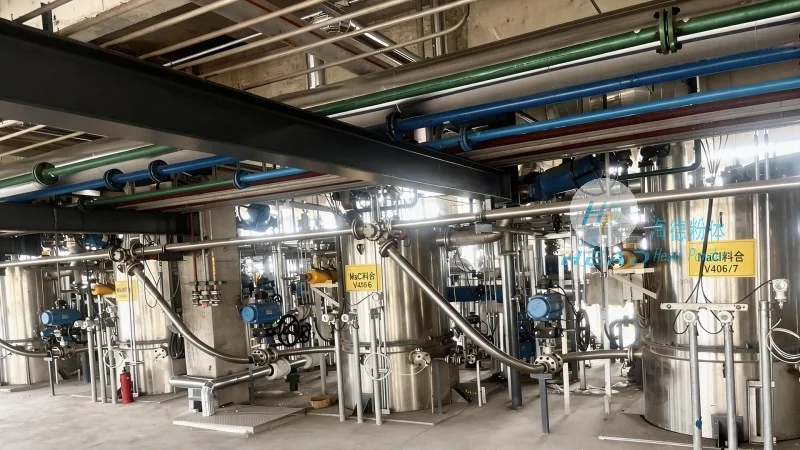
At its core, the molybdenum oxide powder conveying machine is a system engineered to transport molybdenum oxide powder from one location to another within an industrial setting. It is typically used in manufacturing processes where molybdenum oxide is a key component, such as in the production of molybdenum-based alloys, catalysts, or other chemical products. The machine must address several challenges, including the fine particle size of the powder, which can lead to issues like dust generation, clogging, and material degradation if not handled properly.
The design of a molybdenum oxide powder conveying machine is guided by several fundamental principles to ensure reliable and efficient operation. First, the machine must be capable of handling the specific physical properties of molybdenum oxide powder, including its density, flowability, and potential for agglomeration. The equipment is often designed with components that minimize friction and prevent particle degradation, such as smooth surfaces and appropriate material selection for the conveying components.
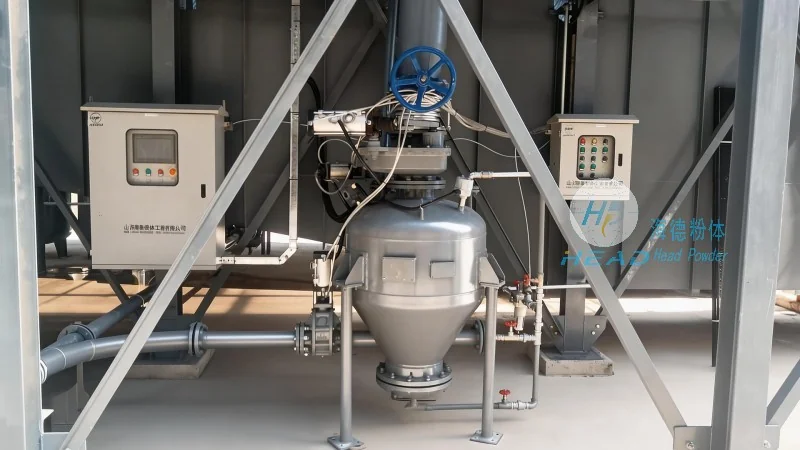
Second, the machine incorporates mechanisms to control the flow of the powder, preventing issues like blockages or uneven distribution. This may involve the use of air-assisted conveying systems, where compressed air is used to move the powder through a pipeline, or mechanical systems like screw conveyors or belt conveyors, depending on the specific application requirements. The design also considers the need for dust control, as molybdenum oxide powder can be hazardous if inhaled, and thus, the machine is equipped with features to contain and filter the powder during transport.
The molybdenum oxide powder conveying machine typically consists of several key components that work in tandem to achieve effective powder transport. The primary components include a hopper for material storage, a feeding mechanism to introduce the powder into the conveying system, a conveying unit (such as an air duct or mechanical conveyor), and a discharge system to deliver the powder to its destination. The hopper is designed to prevent material bridging and ensure a consistent flow of powder into the system. The feeding mechanism may use a rotary valve or a screw feeder to regulate the amount of powder entering the conveyor, maintaining a steady flow rate.
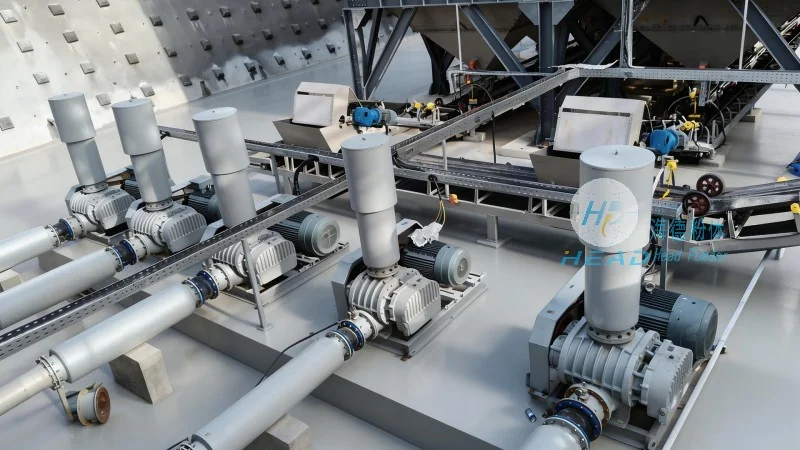
The conveying unit is the heart of the system, responsible for moving the powder through the pipeline. In air-assisted systems, the powder is suspended in a stream of air and carried through the ducts. The design of the air ducts, including their diameter and length, is critical to maintaining the velocity of the air-powder mixture to prevent settling. In mechanical systems, such as screw or belt conveyors, the components are designed to handle the abrasive nature of molybdenum oxide powder without causing wear or damage to the equipment.
The molybdenum oxide powder conveying machine offers several advantages in industrial settings. Its ability to handle fine powders efficiently reduces downtime and maintenance costs associated with material handling. The machine also helps maintain product quality by preventing contamination and degradation during transport. Additionally, the design allows for easy integration into existing production lines, making it a versatile solution for various manufacturing processes.
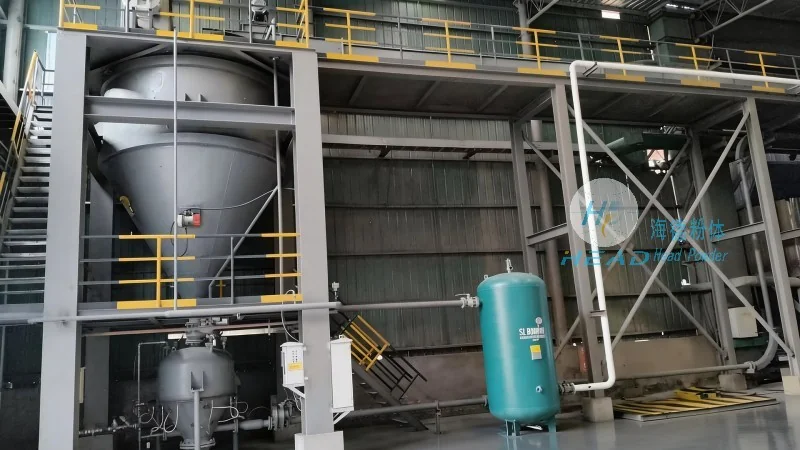
Applications of this machine are widespread across industries that utilize molybdenum oxide. In the chemical industry, it is used to transport molybdenum oxide for the production of catalysts and other chemical products. In the metallurgical industry, it aids in the processing of molybdenum-based alloys, ensuring consistent material flow. The machine is also employed in research and development facilities where precise handling of molybdenum oxide is required for experimental work.
In summary, the molybdenum oxide powder conveying machine is a specialized piece of equipment designed to efficiently and safely transport molybdenum oxide powder. Its design is based on principles that address the unique challenges of handling fine powders, including material properties, flow control, and dust management. By incorporating advanced components and operational mechanisms, this machine ensures reliable performance in industrial applications, contributing to improved productivity and product quality.

 Shandong Headpowder Engineering Co., Ltd.
 156-6277-7102(Manager Zhang)
  0531-83386006
  Zhangqiu District, Jinan City, Shandong Province, China
telephone
WeChatconsult
top