With more than 10‑year industry experience, Shandong Headpowder delivers full‑service pneumatic‑conveying systems and blowers, undertaking nationwide turn‑key powder‑handling projects.
Your current position:首页 >> News >> Q&A

What is a Lancoal Material Conveying Line? What Are Its Design Principles?

Release time:2026-09-16 00:01:16
name of the company:Shandong Headpowder Engineering Co., Ltd.
telephone:156-6277-7102
contacts:Manager Zhang

For industrial operations dealing with lancoal, an efficient material conveying line is essential for maintaining productivity and safety. This article explores the concept of a lancoal material conveying line and delves into its design principles, highlighting the key components and engineering considerations that ensure optimal performance.
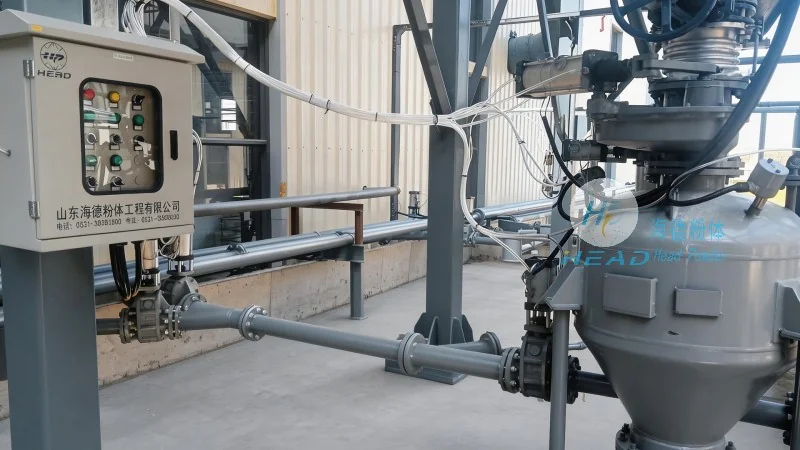
What is a Lancoal Material Conveying Line? What Are Its Design Principles?

Understanding the Lancoal Material Conveying Line

A lancoal material conveying line is a specialized system engineered to transport lancoal, a type of low-temperature carbonized coal, from one location to another within industrial facilities. These systems are critical in processes such as lancoal processing, storage, and distribution, where consistent and reliable material movement is paramount. The line typically integrates various equipment, including feeders, conveyors, and control systems, to ensure seamless operation.
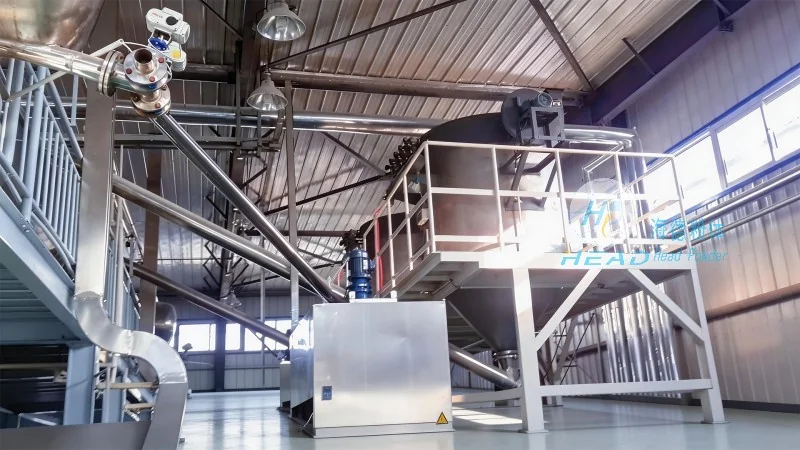
What is a Lancoal Material Conveying Line? What Are Its Design Principles?

Key Components of a Lancoal Material Conveying Line

The design of a lancoal material conveying line involves several core components that work in harmony to achieve efficient material handling. These components include:
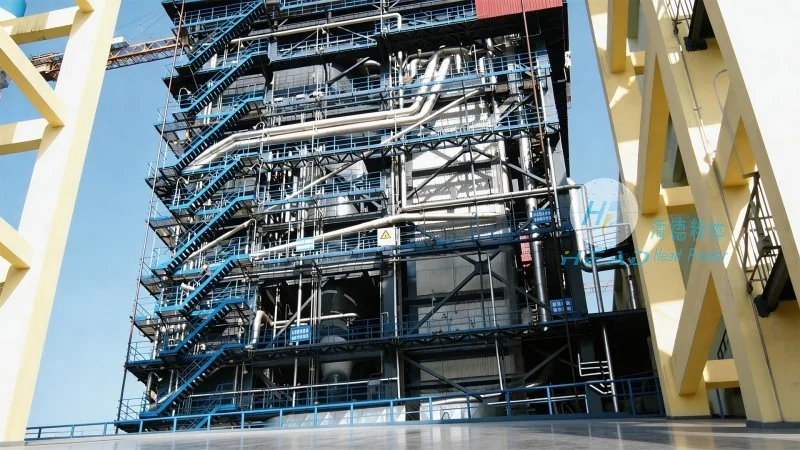
What is a Lancoal Material Conveying Line? What Are Its Design Principles?

  • Feeders: Devices that regulate the flow of lancoal into the conveying system, ensuring a consistent feed rate to prevent blockages or overloading.
  • Conveyors: The primary mechanism for transporting lancoal, which may include belt conveyors, screw conveyors, or pneumatic systems, depending on the specific requirements of the application.
  • Storage Hoppers: Structures used to temporarily store lancoal before it is conveyed to the next stage of processing or distribution.
  • Control Systems: Advanced systems that monitor and regulate the operation of the conveying line, ensuring safety and efficiency through real-time data and automated controls.

Design Principles for Optimal Performance

The design of a lancoal material conveying line is guided by several key principles to ensure it meets the operational needs of industrial applications. These principles include:

  • Material Compatibility: The system must be constructed from materials that are resistant to the chemical and physical properties of lancoal, such as corrosion and abrasion, to extend its lifespan and maintain performance.
  • Efficiency and Reliability: The design prioritizes minimizing energy consumption while maximizing the throughput of lancoal, ensuring consistent operation with minimal downtime.
  • Safety and Environmental Considerations: The conveying line is designed to comply with safety regulations and minimize environmental impact, including dust control measures and proper ventilation systems.
  • Scalability and Flexibility: The system is engineered to be adaptable to changing production demands, allowing for easy expansion or modification as operational needs evolve.

Engineering Considerations in Lancoal Conveying Line Design

When designing a lancoal material conveying line, engineers must consider several factors to ensure the system operates effectively and safely. These considerations include:
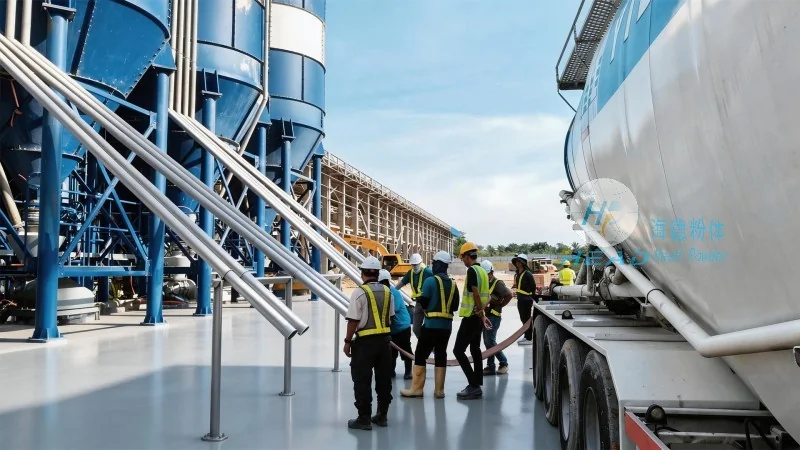
What is a Lancoal Material Conveying Line? What Are Its Design Principles?

  • Particle Size and Moisture Content: The characteristics of lancoal, such as its particle size distribution and moisture level, influence the choice of conveyor type and the need for additional equipment like dryers or classifiers.
  • Operating Environment: The conditions in which the conveying line operates, including temperature, humidity, and dust levels, impact the selection of materials and equipment to ensure durability and performance.
  • Space Constraints: The available space in the industrial facility dictates the layout and configuration of the conveying line, requiring engineers to optimize the system for both functionality and space efficiency.
  • Maintenance and Accessibility: The design incorporates features that facilitate regular maintenance and inspection, reducing downtime and ensuring long-term reliability.

Conclusion

A lancoal material conveying line is a critical component of industrial operations involving lancoal, designed to efficiently transport material while adhering to safety and performance standards. By understanding the key components and design principles, industrial facilities can select and implement a conveying line that meets their specific needs, ensuring optimal productivity and operational efficiency. For more information on lancoal material conveying line solutions, contact Shandong HeadPowder Engineering Co., Ltd., a leading provider of engineering solutions for industrial material handling systems.

recommend

Copyright © Shandong Headpowder Engineering Co., Ltd.    营业执照公示 网站地图

top
