With more than 10‑year industry experience, Shandong Headpowder delivers full‑service pneumatic‑conveying systems and blowers, undertaking nationwide turn‑key powder‑handling projects.
For manufacturers in the lithium battery industry, the efficient and safe handling of cathode materials is a critical process. This involves specialized equipment designed to manage the flow, storage, and transport of these materials from raw form to the production line. Understanding the equipment used and its underlying design principles is essential for optimizing production efficiency and ensuring product quality.
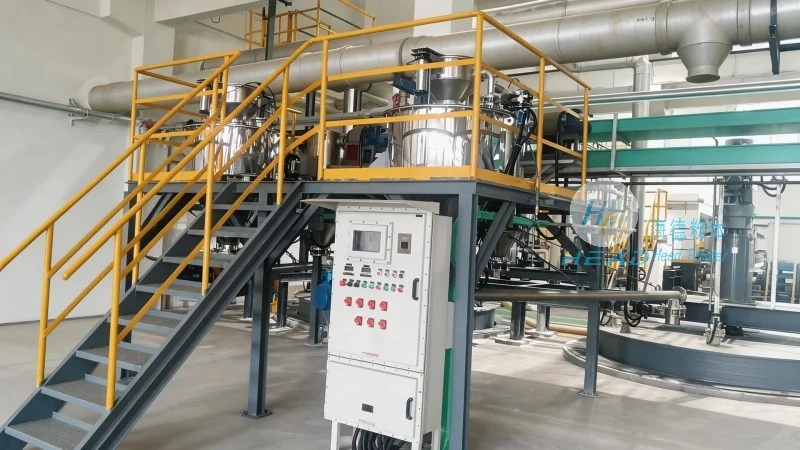
Lithium battery cathode materials, such as lithium cobalt oxide (LiCoO₂), lithium iron phosphate (LiFePO₄), and lithium nickel manganese cobalt oxide (NMC), require precise handling due to their chemical properties and particle size. The material handling equipment for these materials typically includes conveyors, feeders, storage silos, and processing units. These systems are engineered to maintain the integrity of the cathode material, prevent contamination, and ensure consistent material flow throughout the production process.
The design of lithium battery cathode material handling equipment is guided by several key principles to meet the demands of high-purity and high-volume production. One of the primary components is the conveyor system, which may include belt conveyors, screw conveyors, or pneumatic conveying lines. These systems are designed to handle fine powders and granules while minimizing particle degradation. For example, belt conveyors use smooth or textured belts to prevent material sticking, while screw conveyors provide a continuous, low-speed transport that reduces material attrition.
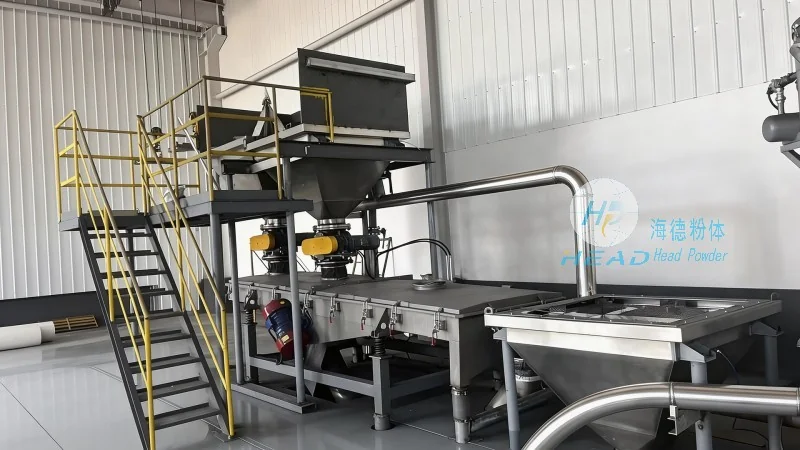
Another critical component is the feeder, which regulates the flow rate of the cathode material into subsequent processing equipment. Feeder designs, such as vibratory feeders or rotary valves, are chosen based on the material's flow characteristics and the required precision. The design principles here focus on maintaining a consistent feed rate to avoid overloading or underloading the downstream equipment, which can impact production stability and product quality.
Storage silos are often integrated into the material handling system to provide a buffer between raw material supply and production demand. These silos are constructed from materials like stainless steel or special alloys to prevent chemical reactions with the cathode material. The design of the silo includes features like a conical bottom to facilitate material discharge and a venting system to control dust and moisture. Additionally, some systems incorporate mixing or blending units to ensure uniform material composition before it enters the battery cell formation stage.
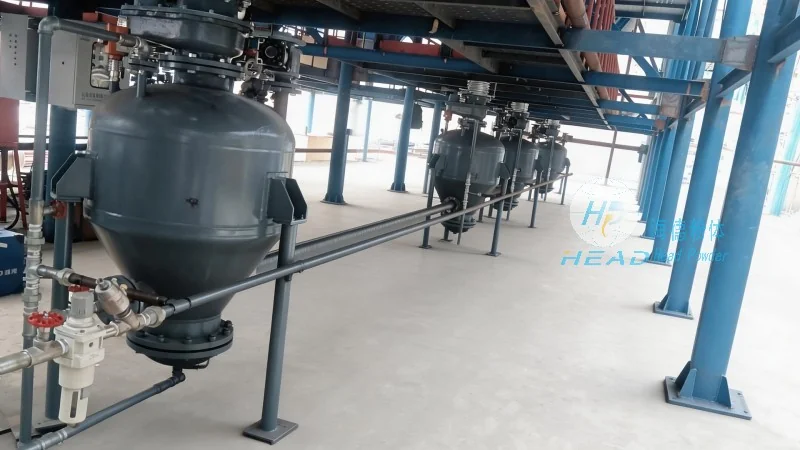
HeadPowder, a leading manufacturer in the field, specializes in the design and production of material handling equipment tailored for lithium battery cathode materials. With a focus on innovation and precision engineering, the company has developed solutions that address the unique challenges of handling these materials. HeadPowder's equipment is engineered to meet industry standards for purity, efficiency, and safety, ensuring that manufacturers can produce high-quality lithium batteries with minimal risk of material contamination or process interruptions.
HeadPowder's facilities are located in Shandong, China, where the company leverages local expertise and resources to deliver customized solutions to clients worldwide. The company's commitment to quality and customer satisfaction has made it a trusted partner for many lithium battery manufacturers seeking reliable material handling equipment.

 Shandong Headpowder Engineering Co., Ltd.
 156-6277-7102(Manager Zhang)
  0531-83386006
  Zhangqiu District, Jinan City, Shandong Province, China
telephone
WeChatconsult
top