With more than 10‑year industry experience, Shandong Headpowder delivers full‑service pneumatic‑conveying systems and blowers, undertaking nationwide turn‑key powder‑handling projects.
Copper mine sand material handling refers to the processes and systems used to transport copper-bearing sand from mining sites to processing facilities. This operation is critical for the efficient extraction and processing of copper ore, as it ensures that the sand is moved in a controlled manner to maximize throughput and minimize operational costs. The design principles behind these systems are tailored to the unique characteristics of copper mine sand, including its particle size, density, and moisture content, to optimize performance and durability.
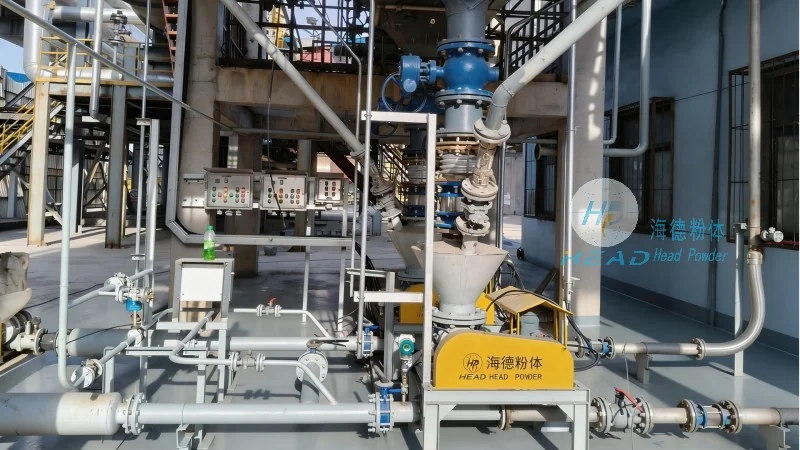
The material handling system for copper mine sand typically integrates several key components that work in concert to facilitate the movement of ore. These components include feeders, conveyors, crushers, and storage silos. Feeders are responsible for regulating the flow of sand from the mine to the conveyor system, ensuring a consistent and controlled feed rate. Conveyors, often belt or chain-driven, transport the sand over long distances with minimal energy consumption. Crushers may be employed to reduce the size of larger sand particles, improving the efficiency of subsequent processing steps. Storage silos are used to temporarily hold the sand before it is sent to the processing plant, providing a buffer to accommodate fluctuations in production rates.
The design of copper mine sand material handling systems is guided by several fundamental principles aimed at maximizing efficiency and minimizing downtime. One of the primary principles is the selection of appropriate equipment based on the physical properties of the sand. For instance, the choice of conveyor type (e.g., belt vs. chain) depends on factors such as the sand's abrasiveness and the required load capacity. Another critical principle is the consideration of material flow and gravity. By designing the system to utilize gravity where possible, energy consumption can be reduced, leading to lower operational costs. Additionally, the system must be designed for easy maintenance and repair, as downtime can significantly impact production. This includes incorporating accessible components and using durable materials that can withstand the harsh conditions of the mining environment.
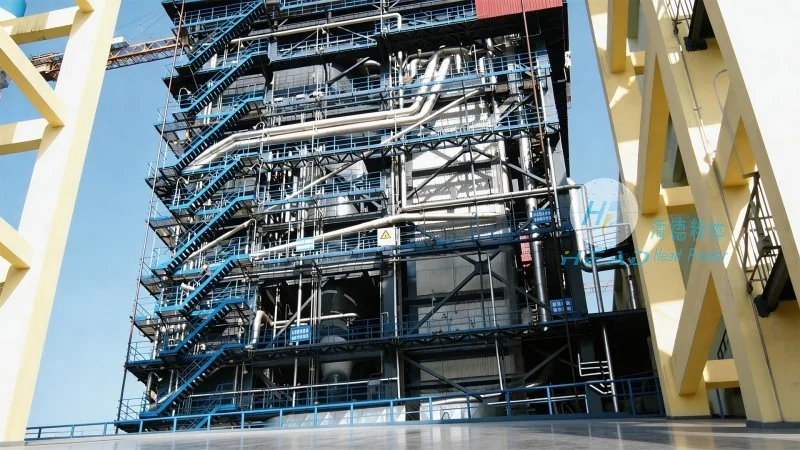
The physical and chemical properties of copper mine sand play a significant role in the design and operation of material handling systems. The particle size distribution of the sand affects the choice of equipment, such as the type of feeder and conveyor. Coarser sand may require larger feeders and higher tension belts to prevent blockages, while finer sand may need more gentle handling to avoid dust generation. The density and moisture content of the sand also impact the system's performance. Higher moisture content can lead to increased friction and wear on equipment, necessitating the use of lubricated components and regular maintenance. The abrasiveness of the sand is another critical factor, as it can cause rapid wear on conveyor belts and other moving parts. To mitigate this, materials with high wear resistance, such as rubber or steel, are often used in the construction of the handling system.
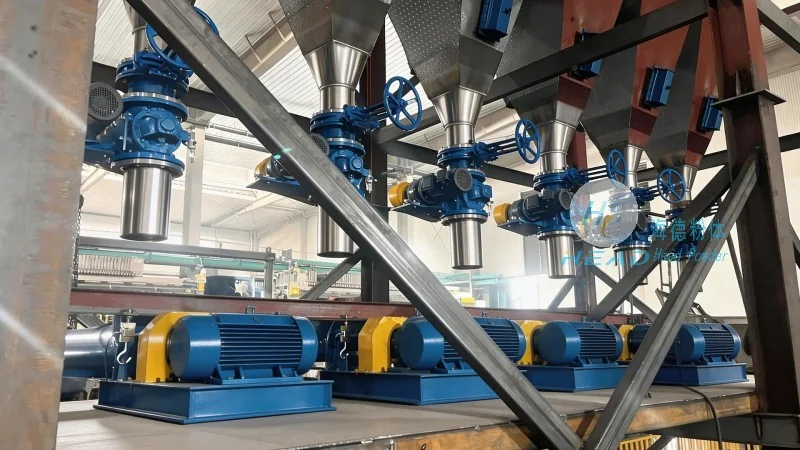
Operational considerations are essential for maintaining the efficiency and longevity of copper mine sand material handling systems. Regular monitoring of the system's performance is crucial to identify any issues early on. This includes tracking parameters such as conveyor speed, load capacity, and energy consumption. By analyzing these data points, operators can detect potential problems, such as blockages or wear, and take corrective action before they lead to significant downtime. Additionally, the system must be designed to accommodate changes in production rates and ore quality. This flexibility ensures that the material handling system can adapt to varying conditions without requiring major modifications. Training operators on the proper use and maintenance of the equipment is also a critical operational consideration, as skilled personnel can help prevent accidents and ensure the system operates at optimal levels.
In conclusion, copper mine sand material handling is a complex process that requires careful consideration of the ore's properties and the design of efficient systems. The key components and design principles discussed above are essential for maximizing throughput, minimizing costs, and ensuring the long-term operation of mining facilities. By understanding and implementing these principles, mining companies can improve their operational efficiency and profitability. The expertise of companies like Shandong HeadPowder Engineering Co., Ltd., with their focus on tailored solutions for copper mine operations, is vital in achieving these goals. With their experience in designing and implementing material handling systems, they provide the necessary support to help mining operations run smoothly and effectively.

 Shandong Headpowder Engineering Co., Ltd.
 156-6277-7102(Manager Zhang)
  0531-83386006
  Zhangqiu District, Jinan City, Shandong Province, China
telephone
WeChatconsult
top