With more than 10‑year industry experience, Shandong Headpowder delivers full‑service pneumatic‑conveying systems and blowers, undertaking nationwide turn‑key powder‑handling projects.
In the metallurgical and refractory industries, the efficient and safe handling of raw materials is critical to maintaining production continuity and ensuring product quality. Magnesium sand, known for its high melting point and chemical stability, is a fundamental component in the manufacturing of refractory bricks and linings for steel furnaces and cement kilns. However, transporting this material presents unique logistical challenges due to its abrasive nature and the dust it generates. Consequently, selecting the appropriate magnesium sand transportation method is essential for industrial operations. Among various available options, pneumatic conveying has emerged as the preferred solution for many facilities requiring precision and cleanliness. This article provides a comprehensive introduction to magnesium sand transportation methods, with a specific focus on the advanced pneumatic conveying solutions offered by Headpowder Engineering.
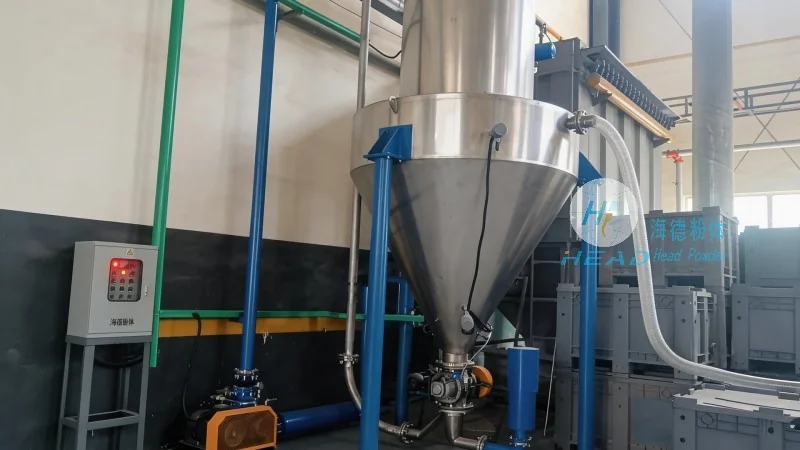
Traditional methods of material handling, such as belt conveyors or truck transportation, often fall short when dealing with fine, abrasive powders like magnesium sand. These methods can lead to material spillage, increased dust pollution, and significant wear on equipment. In contrast, pneumatic conveying utilizes a stream of air to move materials through a closed pipeline system. This technology offers a sealed environment that effectively prevents dust leakage, protecting both the operator and the surrounding environment. By utilizing air pressure or vacuum, the system transports magnesium sand efficiently over short or long distances without the need for intermediate transfer points, which reduces the risk of material degradation and cross-contamination.
Shandong Headpowder Engineering Co., Ltd. is a specialized provider dedicated to optimizing material logistics for industrial clients. As a leading entity in the field, the company focuses on delivering customized magnesium sand transportation systems tailored to the specific needs of each client. Their expertise lies in the design and installation of high-efficiency pneumatic conveying lines that handle the abrasive properties of magnesium sand with minimal wear. By integrating advanced control systems and durable pipeline materials, Headpowder ensures that the magnesium sand transportation process is not only reliable but also cost-effective over the long term. The company’s brand, headpowder, is synonymous with quality engineering and technical support in the powder handling sector.
The core of Headpowder Engineering’s product offerings lies in their sophisticated understanding of fluid dynamics and material handling mechanics. Their magnesium sand pneumatic conveying systems are designed to operate under varying pressures and flow rates, ensuring optimal energy consumption. The systems typically feature high-quality air compressors, pneumatic pumps, and specialized receivers that prevent material backflow. One of the standout features of their approach is the ability to switch between dilute phase and dense phase conveying. For magnesium sand, which can be quite abrasive, dense phase conveying is often utilized to reduce the velocity of the material inside the pipes, thereby significantly extending the lifespan of the pipeline and reducing noise levels during operation.

Beyond just the machinery, Shandong Headpowder Engineering Co., Ltd. provides end-to-end services in material transportation. This includes the engineering design of the layout, the procurement of high-grade components, installation, and ongoing maintenance support. Their solutions are applicable across a wide range of scenarios, from small-scale foundries to large-scale steel plants. By focusing on the specific requirements of magnesium sand handling, they address issues such as arching, plugging, and material degradation. The company’s commitment to safety is paramount; all systems are engineered to meet stringent industrial safety standards, ensuring that the transportation of magnesium sand is hazard-free.
Headquartered in Shandong, China, a region renowned for its robust industrial infrastructure and supply chain capabilities, the company leverages local resources to provide efficient service to clients both domestically and internationally. The strategic location allows for rapid response times and efficient logistics for spare parts and technical support. Whether the project involves the transportation of raw magnesium sand to a mixing plant or the delivery of finished refractory products, Headpowder’s engineering team ensures seamless integration into existing production lines.
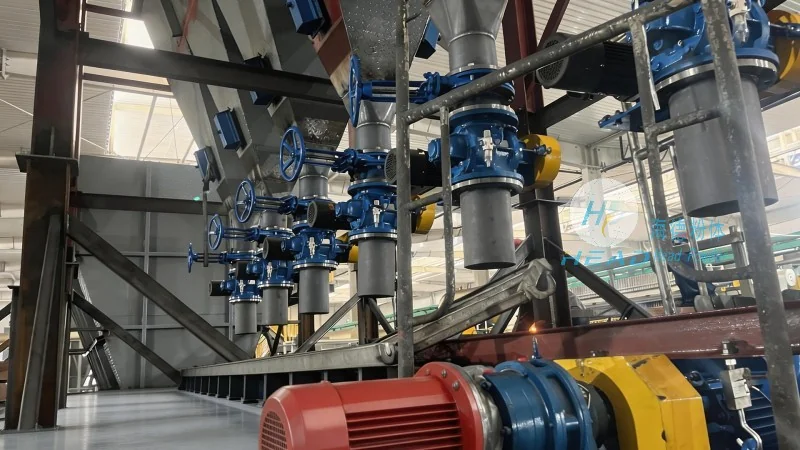
Choosing the right partner for magnesium sand transportation is a decision that impacts operational efficiency and safety. Headpowder Engineering distinguishes itself through its technical depth and customer-centric approach. The company does not offer generic solutions; instead, they conduct thorough site surveys and material analysis to design systems that perfectly match the client's throughput requirements. Their focus on the "headpowder" brand ensures that clients receive consistent quality and reliable performance from their pneumatic conveying equipment.
For industrial facilities looking to upgrade their material handling capabilities or seeking a reliable magnesium sand transportation provider, direct consultation is recommended. The technical team at Shandong Headpowder Engineering Co., Ltd. is ready to provide detailed proposals and technical support. Interested parties are encouraged to contact the company's management directly to discuss specific project requirements. You may reach out to Manager Zhang at the company’s WeChat: 15662777102. This direct line allows for immediate communication regarding product inquiries, technical support, and partnership opportunities.
In summary, the transportation of magnesium sand requires specialized equipment that can withstand abrasion while maintaining a clean and efficient process. Pneumatic conveying stands out as the superior method, and Shandong Headpowder Engineering Co., Ltd. excels in delivering these solutions. With a strong presence in Shandong and a reputation for engineering excellence, Headpowder provides the magnesium sand transportation and magnesium sand pneumatic conveying services necessary to keep industrial operations running smoothly. By partnering with Headpowder, companies ensure they have a robust, safe, and efficient system for their material handling needs.

 Shandong Headpowder Engineering Co., Ltd.
 156-6277-7102(Manager Zhang)
  0531-83386006
  Zhangqiu District, Jinan City, Shandong Province, China
telephone
WeChatconsult
top