With more than 10‑year industry experience, Shandong Headpowder delivers full‑service pneumatic‑conveying systems and blowers, undertaking nationwide turn‑key powder‑handling projects.
Rice bran, a byproduct of the rice milling process, is a highly valuable ingredient used in animal feed, cooking oil production, and food processing industries. However, due to its unique physical and chemical properties, transporting rice bran presents specific engineering challenges. Rice bran is characterized by its high oil content, which can cause it to become sticky and clog mechanical equipment. Furthermore, the fine dust generated during handling poses significant risks regarding dust explosions and hygiene contamination. Therefore, selecting an appropriate rice bran conveying method is critical for ensuring operational efficiency and safety. This article explores the various methods of rice bran transport, with a specific focus on the advanced pneumatic conveying solutions provided by Shandong Headpowder Engineering Co., Ltd.
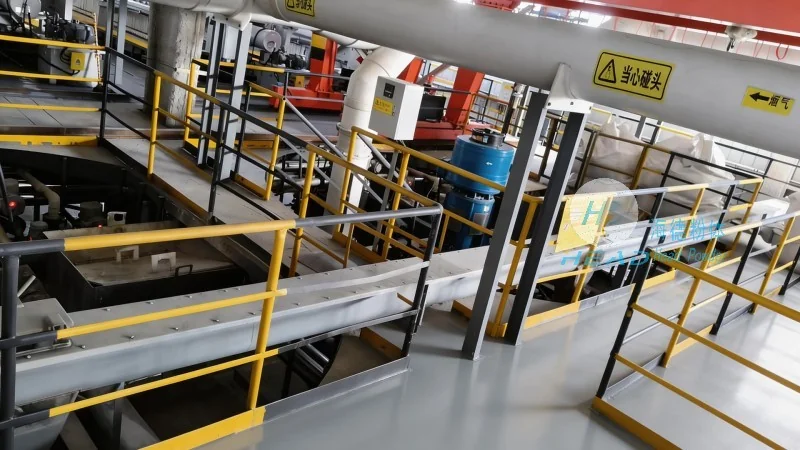
Before understanding modern solutions, it is essential to recognize the difficulties associated with traditional rice bran conveying methods. Conventional mechanical conveyors, such as screw conveyors and belt conveyors, are often used in grain handling. However, these systems frequently encounter operational issues when dealing with rice bran. The sticky nature of rice bran, especially when it contains residual moisture or oil, leads to build-up on the internal surfaces of the conveyor, causing blockages and frequent maintenance requirements. Additionally, mechanical conveyors are typically open systems, which can release fine dust into the environment. This not only creates a dusty and unpleasant working atmosphere but also increases the risk of combustible dust explosions, a serious safety hazard in food processing facilities. Consequently, industries are increasingly seeking enclosed and efficient methods for rice bran conveying to mitigate these risks.
To address the limitations of mechanical conveyors, pneumatic conveying has emerged as the industry standard for rice bran conveying. Pneumatic conveying systems utilize air pressure to move materials through a pipeline, offering a closed-loop solution that eliminates dust emissions and prevents material degradation. Unlike mechanical systems that rely on physical contact between the material and the equipment, pneumatic conveying relies on air dynamics, which significantly reduces wear and tear on the material. This method is particularly effective for rice bran pneumatic conveying because it can handle the fine, light particles of rice bran without clogging. By using air to transport the material, these systems maintain a clean and safe environment, making them the preferred choice for modern processing plants.
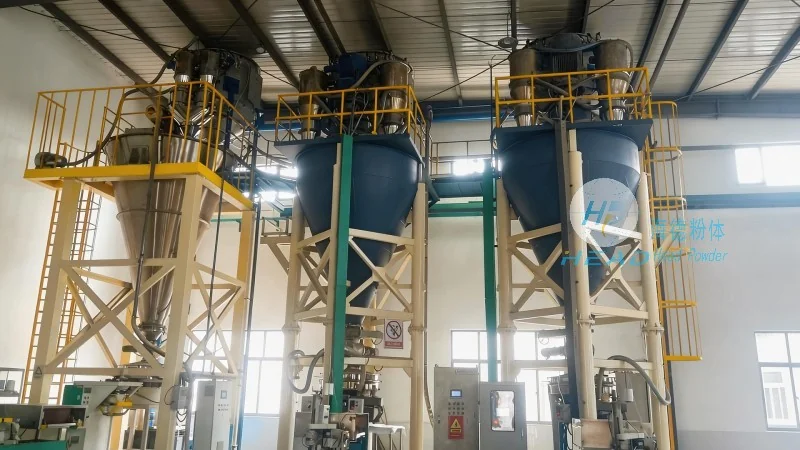
As a specialized manufacturer in the field of bulk material handling, Shandong Headpowder Engineering Co., Ltd. (headpowder) is dedicated to providing high-quality rice bran conveying and pneumatic conveying solutions. Based in Shandong, China, the company leverages advanced engineering technology and rigorous quality control to design systems that meet the specific needs of the food and feed industries. The company specializes in the research, development, and production of material conveying equipment, ensuring that every system is tailored to the client's production line. Whether it is a small-scale facility or a large industrial complex, Shandong Headpowder Engineering Co., Ltd. provides reliable and efficient solutions for rice bran pneumatic conveying.
A robust rice bran conveying system is composed of several critical components that work in unison to ensure smooth operation. The primary equipment includes a high-pressure air source, such as a Roots blower or a screw compressor, which generates the necessary air velocity to suspend the rice bran particles in the pipeline. The system also features a feeding device, such as a rotary valve or a screw feeder, which controls the rate at which the rice bran enters the pipeline. As the material travels through the pipeline, it is transported to the receiving hopper or storage silo. To maintain system efficiency, filters are installed to remove dust from the exhaust air, protecting the environment and the equipment. Shandong Headpowder Engineering Co., Ltd. ensures that all these components are manufactured with precision to guarantee the longevity and reliability of the material conveying system.
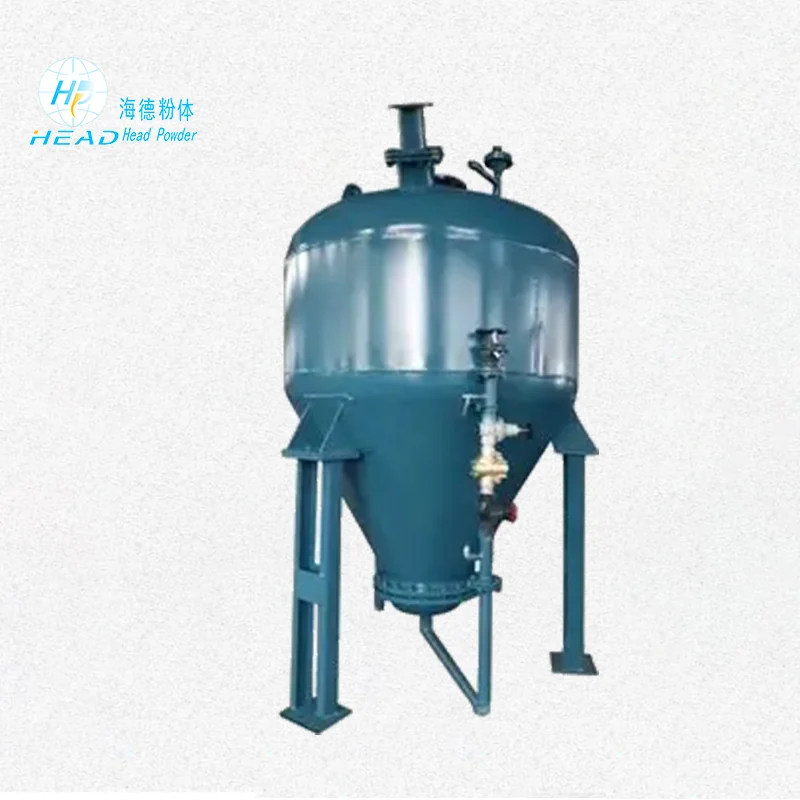
When designing a rice bran conveying system, engineers must choose between vacuum conveying and positive pressure conveying. Vacuum conveying, also known as negative pressure conveying, is often preferred for rice bran pneumatic conveying due to its safety and ease of use. In a vacuum system, air is drawn into the system, creating a suction effect that pulls the rice bran from multiple points into a central collection vessel. This method is ideal for conveying materials from lower levels to higher levels or from scattered collection points to a main processing unit. On the other hand, positive pressure conveying pushes the material through the pipeline using compressed air. This method is suitable for long-distance transport or when the system needs to feed multiple destinations. Shandong Headpowder Engineering Co., Ltd. expertly evaluates the facility layout to recommend the most efficient configuration for rice bran conveying.
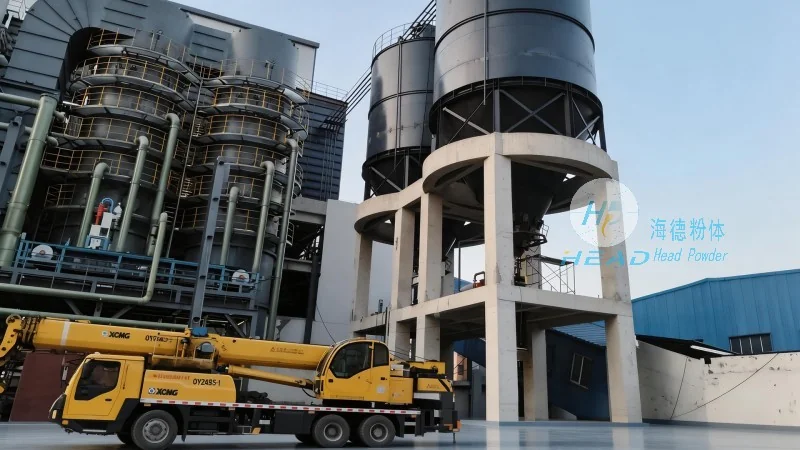
Safety is paramount when handling rice bran, as it is classified as a combustible dust. Shandong Headpowder Engineering Co., Ltd. places a strong emphasis on safety in the design of its rice bran conveying systems. All systems are designed to meet relevant international and national safety standards, including ATEX and IECEx certifications for explosion protection. The equipment is equipped with explosion relief panels, spark detection systems, and inerting capabilities to prevent accidental ignition. By utilizing a closed pneumatic conveying system, the risk of dust dispersion is minimized, significantly reducing the potential for dust explosions. This commitment to safety ensures that the material conveying process is not only efficient but also compliant with strict industrial regulations.
Every rice processing plant has unique operational requirements, and a one-size-fits-all approach does not work for rice bran conveying. Shandong Headpowder Engineering Co., Ltd. prides itself on its ability to offer customized engineering solutions. The company's team of experienced engineers conducts thorough site surveys to understand the specific constraints and goals of the client. Based on this analysis, they design a rice bran pneumatic conveying system that optimizes energy consumption and maximizes throughput. Whether the requirement involves vertical lifts, horizontal runs, or complex branching networks, the material conveying system is engineered to perform flawlessly under real-world conditions. This bespoke approach ensures that clients receive a solution that integrates seamlessly into their existing production line.

 Shandong Headpowder Engineering Co., Ltd.
 156-6277-7102(Manager Zhang)
  0531-83386006
  Zhangqiu District, Jinan City, Shandong Province, China
telephone
WeChatconsult
top