With more than 10‑year industry experience, Shandong Headpowder delivers full‑service pneumatic‑conveying systems and blowers, undertaking nationwide turn‑key powder‑handling projects.
Rare earth elements are indispensable components in modern manufacturing, ranging from high-performance magnets for electric vehicles to advanced optical glass and specialized alloys. Given their high value and unique chemical properties, the handling and transportation of these materials require extreme precision and care. Unlike standard bulk commodities, rare earth materials often exist as fine powders or granules that are sensitive to moisture, oxidation, and mechanical stress. Consequently, selecting the correct method for rare earth material transport is not merely a logistical decision but a critical operational requirement to maintain material integrity and ensure workplace safety.
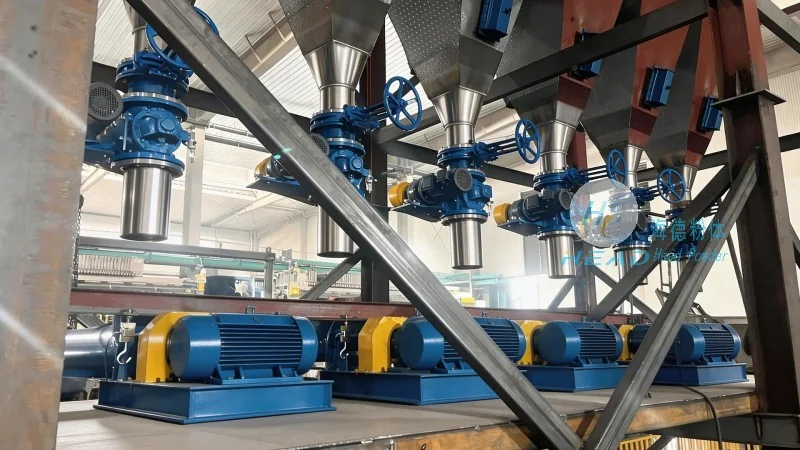
Transporting these materials involves navigating complex challenges related to dust containment, material degradation, and system reliability. A failure in the transport system can lead to significant financial losses due to material waste and potential environmental hazards. Therefore, industries rely on specialized engineering solutions that can handle the nuances of rare earth handling without compromising the quality of the product.
Traditional mechanical conveying methods, such as screw conveyors, bucket elevators, and belt conveyors, are often ill-suited for the specific needs of rare earth processing. These mechanical systems typically involve moving parts that can generate heat and friction, which can be detrimental to sensitive powders. Furthermore, mechanical conveyors are prone to leakage and spillage, leading to dust pollution and the loss of valuable rare earth material.
The fine particulate nature of rare earth powders also poses significant risks regarding dust explosions, a serious safety concern in industrial settings. When these powders are suspended in the air and exposed to an ignition source, they can cause catastrophic explosions. Traditional conveyors often struggle to provide the airtight seals necessary to prevent dust dispersion, making them a less safe option for high-value, fine powders.
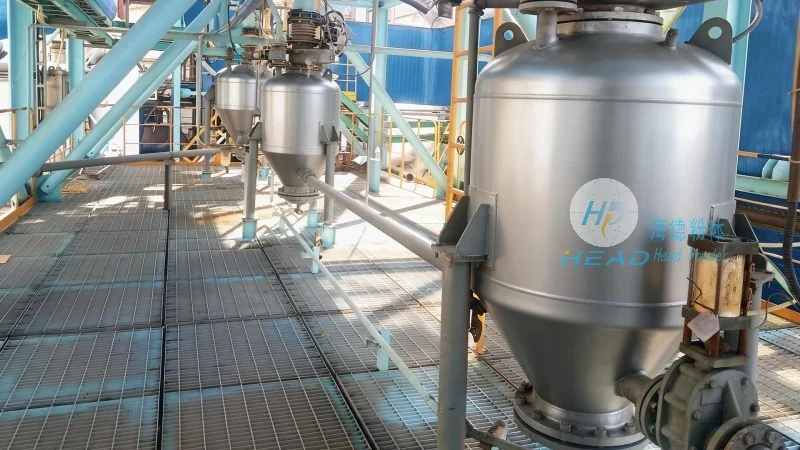
To address these challenges, the industry has increasingly turned to pneumatic conveying as the premier solution for material transport. Pneumatic conveying utilizes a stream of air to move materials through a pipeline from one point to another. This method offers a closed-loop system, which is essential for containing fine powders and preventing dust emissions. By eliminating the need for moving mechanical parts inside the pipeline, pneumatic systems significantly reduce the risk of material degradation and mechanical wear.
This technology is particularly effective for the handling of powders and granules, making it the ideal choice for various industrial applications. The ability to control the flow rate and pressure allows engineers to customize the system to match the specific characteristics of the material being handled. Whether the goal is to move large volumes of material over short distances or precise amounts over long distances, pneumatic conveying provides the flexibility and reliability required in modern processing plants.
Among the various providers in the field, Shandong Headpowder Engineering Co., Ltd. has established itself as a leader in specialized material handling. The company focuses heavily on providing robust and efficient rare earth pneumatic conveying systems tailored to the specific needs of the industry. Their approach ensures that every project, whether it involves mining, refining, or final product packaging, is supported by a transport solution that guarantees safety and efficiency.
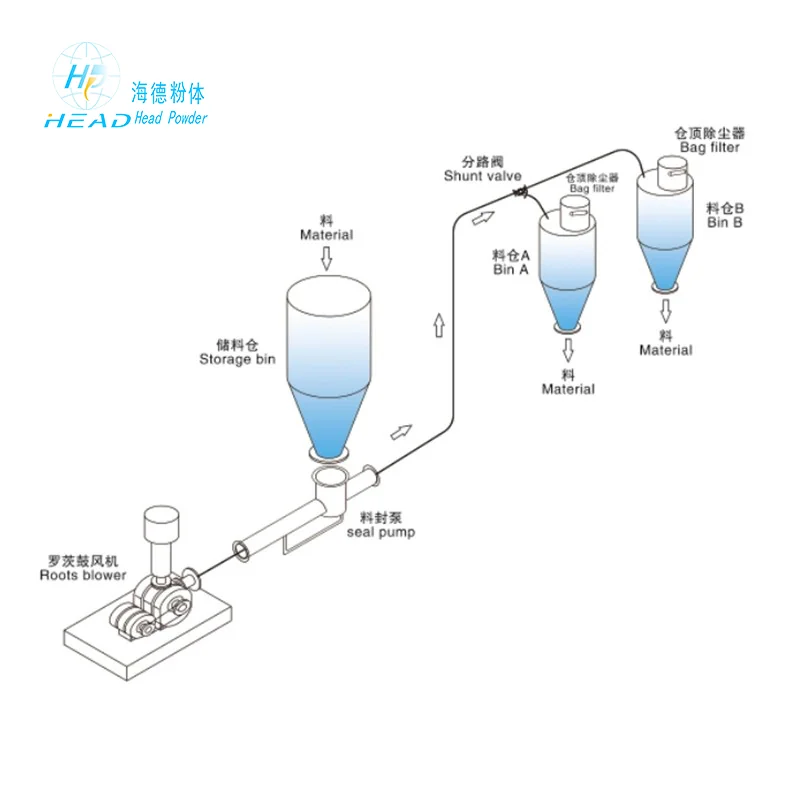
The company’s expertise lies in the design and implementation of comprehensive rare earth pneumatic conveying systems. These systems are engineered to handle the unique properties of rare earth materials, ensuring that the material remains intact from the source to the destination. By integrating advanced control systems and high-quality components, Headpowder ensures a continuous and stable flow of material, which is vital for maintaining production schedules in demanding environments.
The rare earth pneumatic conveying systems offered by Headpowder offer several distinct advantages over traditional methods. One of the primary benefits is the complete sealing of the transport process. This airtight design prevents dust from escaping into the atmosphere, protecting the health of operators and the environment. Additionally, because there are no moving parts inside the pipeline, the system requires minimal maintenance and has a long service life, reducing the total cost of ownership for the client.
Another key advantage is the flexibility in pipeline routing. Pneumatic conveying systems can navigate around existing plant structures with ease, allowing for efficient layout design without the need for extensive structural modifications. This flexibility makes Headpowder's solutions ideal for retrofitting older facilities or designing new plants where space is at a premium. The systems are also highly automated, reducing the need for manual intervention and minimizing the risk of human error.
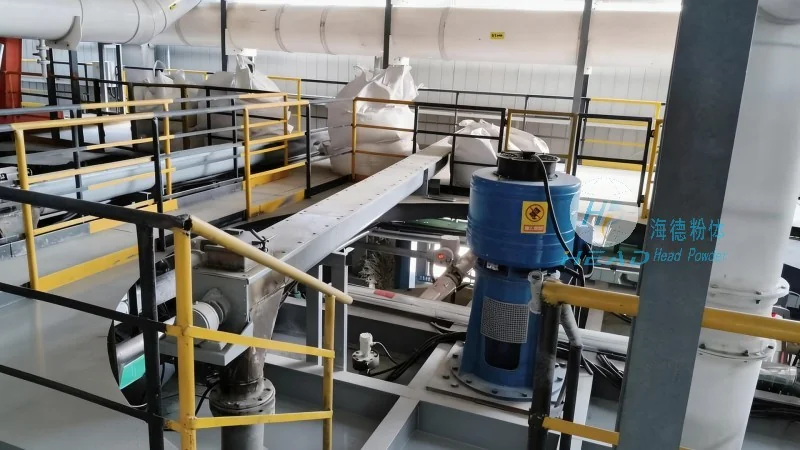
Shandong Headpowder Engineering Co., Ltd. is a specialized engineering firm dedicated to the advancement of material handling technologies. Operating from their headquarters in Shandong, China, the company has built a reputation for delivering high-quality engineering solutions to clients both domestically and internationally. The company is committed to innovation and quality, ensuring that every system they deliver meets the highest industry standards.
The company, often referred to as headpowder in the industry, provides end-to-end services ranging from initial feasibility studies and system design to installation and after-sales support. Their team of experienced engineers understands the intricacies of powder handling and works closely with clients to develop solutions that are perfectly aligned with their production goals. By prioritizing customer satisfaction and technical excellence, Shandong Headpowder Engineering Co., Ltd. continues to be a trusted partner in the field of material transport.
For companies seeking reliable and efficient solutions for their material transport needs, Shandong Headpowder Engineering Co., Ltd. offers the expertise and experience required to succeed. If you are interested in learning more about their rare earth pneumatic conveying systems or require a consultation for your specific project, please contact their management team directly. You may reach out to Zhang Manager for detailed information and assistance. You can connect with Zhang Manager via WeChat at 15662777102 to discuss your requirements and explore how Headpowder can optimize your material handling processes.

 Shandong Headpowder Engineering Co., Ltd.
 156-6277-7102(Manager Zhang)
  0531-83386006
  Zhangqiu District, Jinan City, Shandong Province, China
telephone
WeChatconsult
top