

What is a Centralized Material Feeding Pneumatic Conveying System? And What Are Its Design Principle
A centralized material feeding pneumatic conveying system is a sophisticated industrial solution designed to transport bulk materials from various sources to processing or storage locations through an air-based system. This technology is widely used in industries such as pharmaceuticals, food processing, chemicals, and manufacturing, where precise and efficient material handling is critical. The system operates by using compressed air or other gases to create a flow that moves powders, granules, or other particulate materials through a network of pipes, ensuring a seamless and controlled supply of raw materials to production lines.
Key Components of a Centralized Material Feeding System
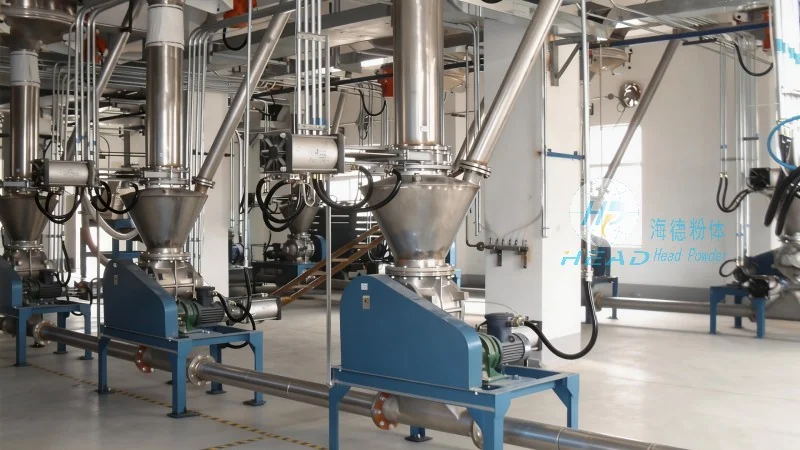
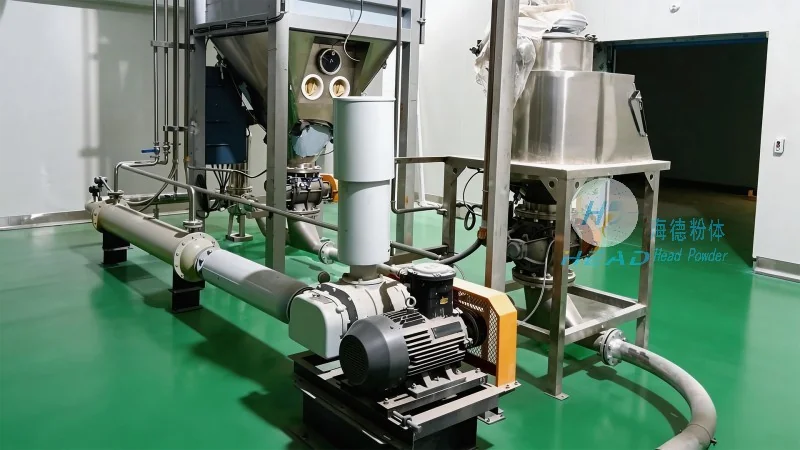
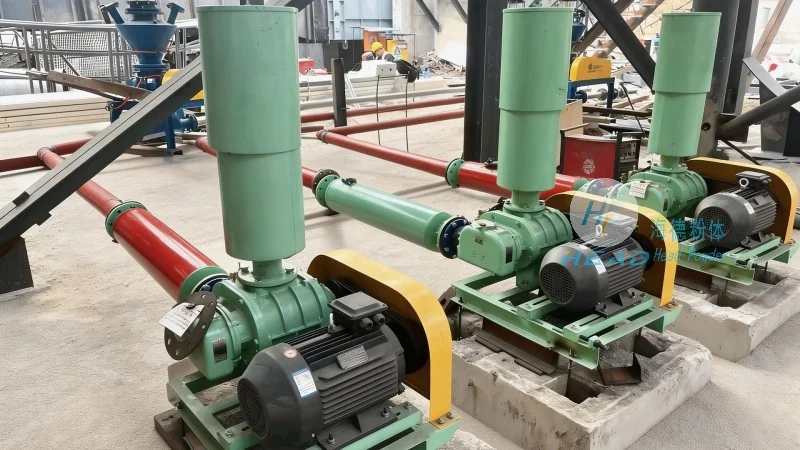
The design of a centralized material feeding pneumatic conveying system involves several key components that work in tandem to ensure optimal performance. These components include a material hopper or feeder, which holds the bulk material and regulates its flow into the system. The feeder may be equipped with a rotary valve or a vibratory feeder to control the discharge rate, preventing overloading or underfeeding. The conveying line itself consists of a series of pipes, often made of stainless steel or other corrosion-resistant materials, to accommodate different material types and environmental conditions. A vacuum or pressure blower provides the necessary air pressure to move the material through the system. Additionally, the system may include filters, cyclones, or separators to clean the air and recover any material that might have escaped during the conveying process. The control system, typically integrated with sensors and automation technology, monitors the flow rate, pressure, and other parameters to maintain consistent operation and prevent system failures.
Design Principles for Efficient Material Handling
The design principles of a centralized material feeding pneumatic conveying system are centered on maximizing efficiency, minimizing material loss, and ensuring safety. One of the primary design considerations is the selection of the appropriate conveying method, which can be either pressure or vacuum-based. Pressure systems use positive pressure to push material through the pipes, while vacuum systems use negative pressure to pull material. The choice between these methods depends on the material's properties, such as its density, moisture content, and flowability. The system's layout is also crucial, as it must be designed to minimize the number of bends and changes in direction to reduce pressure drop and prevent material degradation. The use of appropriate pipe diameters and lengths is essential to maintain the required air velocity, which is critical for preventing material settling or blockages. Furthermore, the system should be equipped with proper sealing and maintenance features to ensure long-term reliability and low maintenance costs. The integration of advanced control technologies, such as variable frequency drives (VFDs) and real-time monitoring, allows for dynamic adjustments to the system's operation, adapting to changes in material flow or process demands.
Applications and Benefits in Industrial Settings
Centralized material feeding pneumatic conveying systems are widely applied in various industrial settings due to their versatility and efficiency. In the pharmaceutical industry, for example, these systems are used to transport active pharmaceutical ingredients (APIs) and excipients with high precision, ensuring that the material is handled in a sterile and controlled environment. In food processing, the systems are employed to move ingredients like flour, sugar, or spices while maintaining hygiene standards and preventing contamination. The chemical industry utilizes these systems for handling powders and granules that may be hazardous or reactive, providing a safe and enclosed method of material transfer. The benefits of such systems include improved production efficiency, reduced labor costs, minimized material waste, and enhanced safety by eliminating manual handling of bulk materials. Additionally, the centralized design allows for better inventory management and process control, as all material sources are connected to a single feeding system, enabling real-time monitoring and adjustment of the supply chain.
Customization and Integration with Existing Facilities
Shandong HeadPowder Engineering Co., Ltd., a leading manufacturer based in China, specializes in designing and manufacturing customized centralized material feeding pneumatic conveying systems tailored to the specific needs of clients. The company's expertise lies in understanding the unique requirements of each industry and developing solutions that meet both functional and regulatory standards. The design process involves thorough analysis of the material characteristics, process flow, and operational constraints to ensure that the system is optimized for performance. HeadPowder's systems are built with high-quality components and materials, such as stainless steel, to withstand the demands of various industrial environments. The company also offers integration services, allowing the new system to be seamlessly connected with existing production lines or infrastructure. This ensures minimal disruption during installation and maximizes the return on investment for the client. The company's commitment to quality and customer satisfaction is reflected in its comprehensive after-sales support, including maintenance services and technical assistance to ensure the system operates at peak efficiency throughout its lifecycle.

Conclusion: The Role of Centralized Material Feeding Systems in Modern Manufacturing
In conclusion, a centralized material feeding pneumatic conveying system is a vital component in modern industrial operations, providing a reliable and efficient method for handling bulk materials. The design principles, which focus on precision, safety, and adaptability, ensure that these systems can meet the diverse needs of various industries. As manufacturing processes continue to evolve, the demand for advanced material handling solutions will only increase, making centralized feeding systems an essential investment for companies looking to enhance their operational efficiency and competitiveness. With the expertise of companies like Shandong HeadPowder Engineering Co., Ltd., businesses can access tailored solutions that not only improve their material handling processes but also contribute to overall productivity and cost savings.