

What is an Asbestos Powder Material Pneumatic Conveying System? And What Are Its Design Principles?
Asbestos powder material pneumatic conveying systems represent a specialized form of material handling technology designed to transport asbestos powder and similar fine particulate materials through a pressurized or vacuum-driven air stream. These systems are critical in industrial applications where traditional mechanical conveyors may not be suitable due to the nature of the material, such as its dustiness, potential health hazards, or the need for enclosed, clean transfer processes.
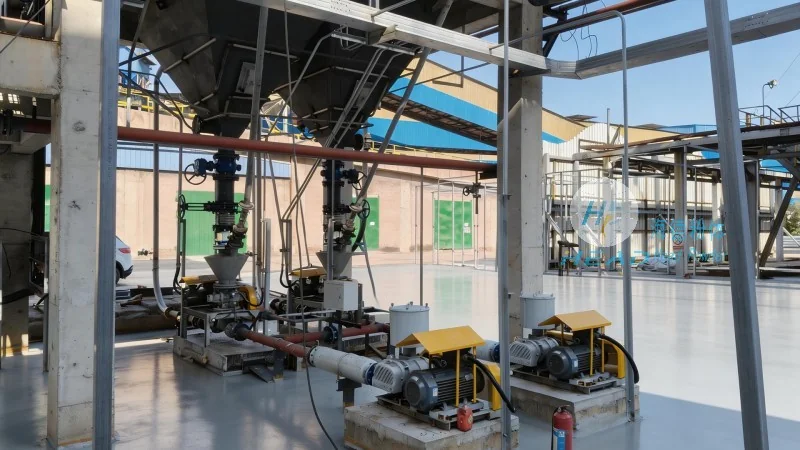
Understanding the Core Function of Pneumatic Conveying for Asbestos Powder
The primary function of an asbestos powder material pneumatic conveying system is to move bulk asbestos powder from a source, such as a storage silo or processing hopper, to a destination, like a processing unit or storage container, using air as the conveying medium. Unlike mechanical systems that rely on belts, screws, or buckets, pneumatic conveyors utilize the kinetic energy of air to lift, transport, and deposit the material. This method is particularly advantageous for asbestos powder because it allows for a fully enclosed system, minimizing dust exposure and ensuring compliance with occupational health and safety regulations.
Key Design Principles Behind Asbestos Powder Pneumatic Conveying Systems
The design of an asbestos powder material pneumatic conveying system is governed by several critical principles that ensure efficient, safe, and reliable operation. These principles include the selection of appropriate air flow rates, the configuration of the conveying pipeline (e.g., straight versus curved sections), the use of specialized equipment such as rotary airlocks and cyclone separators, and the implementation of safety features to prevent material leakage or air contamination. The system must be engineered to handle the specific physical properties of asbestos powder, including its particle size, density, and flowability, which can vary based on the source and processing conditions.
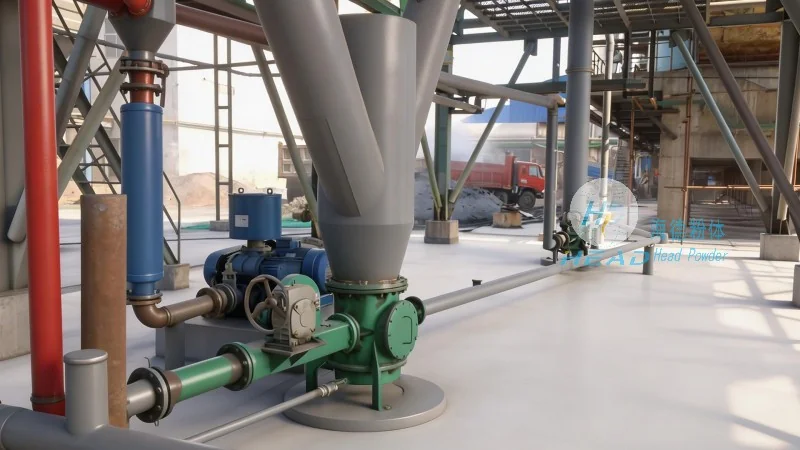
Components and Their Roles in the System
An asbestos powder material pneumatic conveying system typically consists of several key components, each playing a vital role in the overall operation. The main components include a feed device, such as a rotary airlock or a star valve, which controls the flow of asbestos powder into the conveying line. The conveying line itself, often made of stainless steel or other corrosion-resistant materials, is designed to withstand the abrasive nature of asbestos powder and prevent contamination. A blower or vacuum pump provides the necessary air pressure or suction to move the material through the line. At the receiving end, a cyclone separator or a baghouse filter is used to separate the asbestos powder from the air stream, ensuring that the material is deposited in the desired location while the air is cleaned and discharged safely. Additionally, the system may include pressure relief valves, flow meters, and monitoring equipment to maintain optimal performance and safety.
Design Considerations for Safety and Compliance
Given the health risks associated with asbestos exposure, the design of an asbestos powder material pneumatic conveying system places a high emphasis on safety and regulatory compliance. The system must be constructed with materials that are resistant to corrosion and wear, and all components must be sealed to prevent dust leakage. The use of enclosed systems and positive pressure or vacuum operation helps to contain the material and prevent airborne particles from escaping into the workplace environment. Furthermore, the system should be equipped with safety interlocks and emergency shutdown mechanisms to prevent accidents during operation. Compliance with local and international occupational health and safety standards, such as those set by OSHA or the European Union, is a critical aspect of the design process.
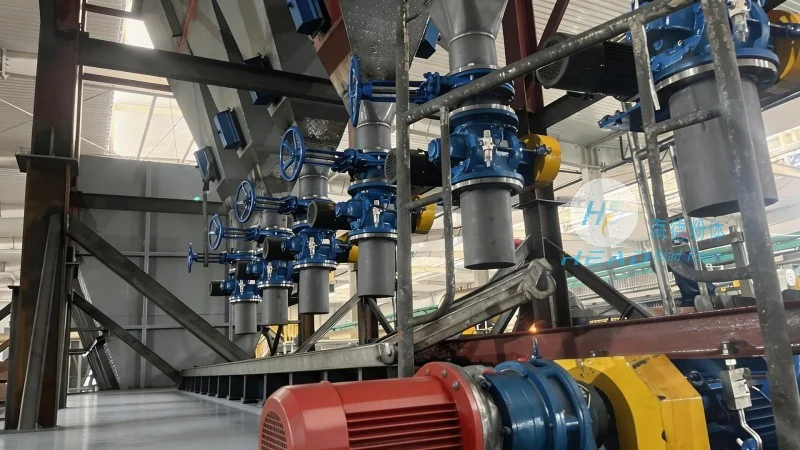
Applications and Industries Using Asbestos Powder Pneumatic Conveying Systems
Asbestos powder material pneumatic conveying systems are widely used in various industrial sectors where asbestos is processed or handled. These include the construction industry for applications such as asbestos cement production, the automotive industry for brake and clutch components, and the manufacturing of asbestos-based insulation materials. In each of these applications, the system ensures that asbestos powder is transferred efficiently and safely, reducing the risk of exposure for workers and maintaining product quality. The versatility of pneumatic conveying allows it to be adapted to different production scales, from small-scale laboratory operations to large-scale industrial plants.
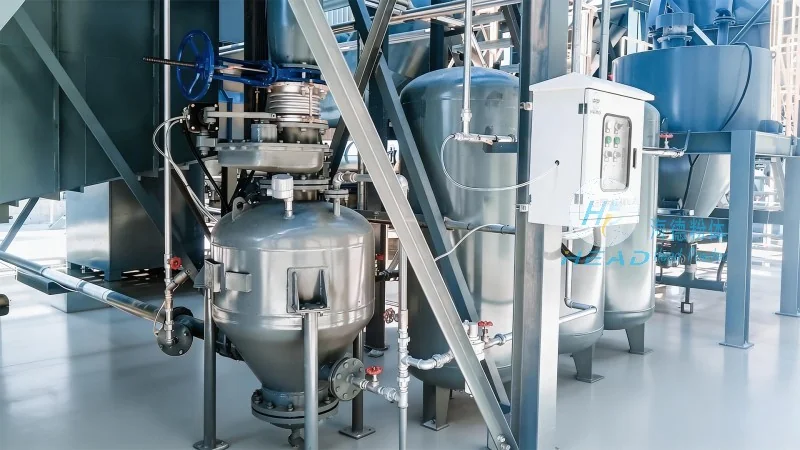
Advantages of Using Pneumatic Conveying for Asbestos Powder
Compared to traditional mechanical conveyors, asbestos powder material pneumatic conveying systems offer several advantages. One of the most significant benefits is the ability to handle fine, dusty materials without the need for additional dust suppression equipment. The enclosed system design minimizes the risk of dust dispersion, making it safer for workers and the environment. Additionally, pneumatic conveyors can transport materials over longer distances and through complex layouts, including vertical lifts and multiple horizontal sections, without the need for multiple transfer points. The system also allows for precise control over the flow rate and pressure, enabling better process control and reduced material waste. Finally, the lack of moving parts in the conveying line reduces maintenance requirements and extends the system's operational life.
Conclusion: The Importance of Specialized Design for Asbestos Powder Handling
In conclusion, an asbestos powder material pneumatic conveying system is a sophisticated piece of equipment designed to handle asbestos powder safely and efficiently. The design principles, components, and safety considerations all work together to ensure that the material is transferred in a controlled manner, minimizing health risks and maintaining product integrity. As a leading provider in this field, Shandong HeadPowder Engineering Co., Ltd. specializes in the design, manufacturing, and installation of such systems, leveraging years of experience to meet the unique needs of industrial clients. With a focus on safety, reliability, and compliance, these systems play a crucial role in modern industrial operations where asbestos powder is a key component.