

What is a Lithium Manganese Oxide Material Pneumatic Conveying Line? And What Are Its Design Princip
At Shandong HeadPowder Engineering Co., Ltd., we specialize in providing advanced solutions for material handling, particularly in the processing of lithium manganese oxide (LMO) materials. A pneumatic conveying line is a critical system used to transport these materials efficiently and safely. This article explores what a lithium manganese oxide material pneumatic conveying line is and the underlying design principles that ensure its optimal performance.
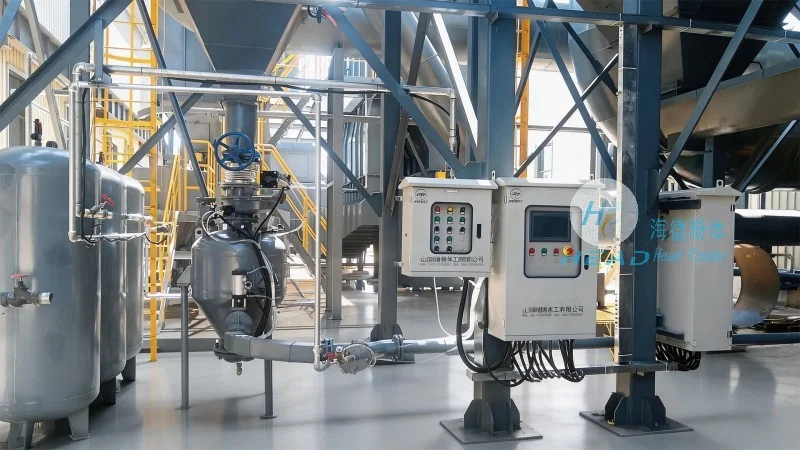
Understanding Pneumatic Conveying Systems
Pneumatic conveying lines utilize air or gas to transport bulk materials like lithium manganese oxide powders. This method offers several advantages over traditional mechanical conveying systems, such as reduced equipment wear, lower maintenance costs, and the ability to handle materials in a closed environment, minimizing dust exposure and contamination. The core of a pneumatic conveying system consists of a series of components working in tandem to move the material from the source to the destination.
Key Components of a Lithium Manganese Oxide Material Pneumatic Conveying Line
The design of a lithium manganese oxide material pneumatic conveying line involves several key components, each playing a crucial role in the overall operation. These include:
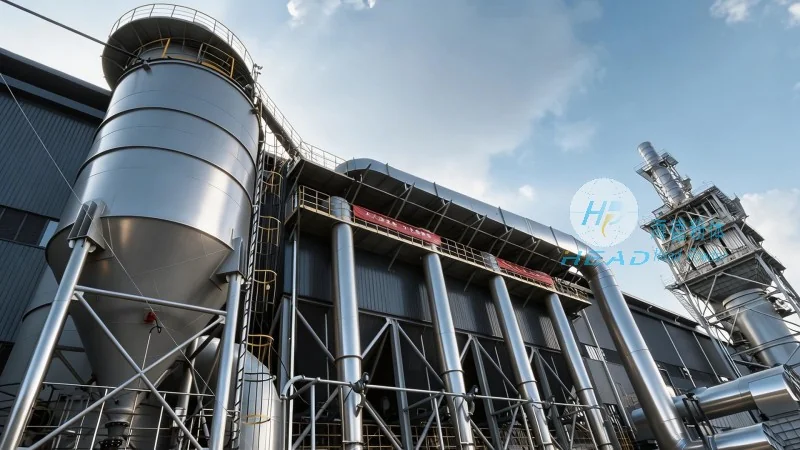
- Feeder: The feeder is responsible for feeding the LMO material into the conveying line at a controlled rate. It ensures a consistent flow of material, preventing blockages and maintaining system efficiency.
- Pneumatic Conveying Pipe: The pipe system is where the material is transported. It can be either positive or negative pressure, depending on the specific application and material characteristics. For LMO materials, which are often fine powders, a positive pressure system is commonly used to ensure reliable transport.
- Filter and Dust Collector: As the material is conveyed, fine particles may be released into the air. The filter and dust collector system captures these particles, ensuring compliance with environmental regulations and maintaining a clean working environment.
- Control System: The control system monitors and regulates the operation of the entire conveying line. It adjusts air pressure, flow rates, and other parameters to optimize performance and prevent issues like overloading or under-conveying.
Design Principles for Efficient LMO Material Conveying
The design of a lithium manganese oxide material pneumatic conveying line must consider several factors to ensure efficiency, safety, and durability. These principles include:
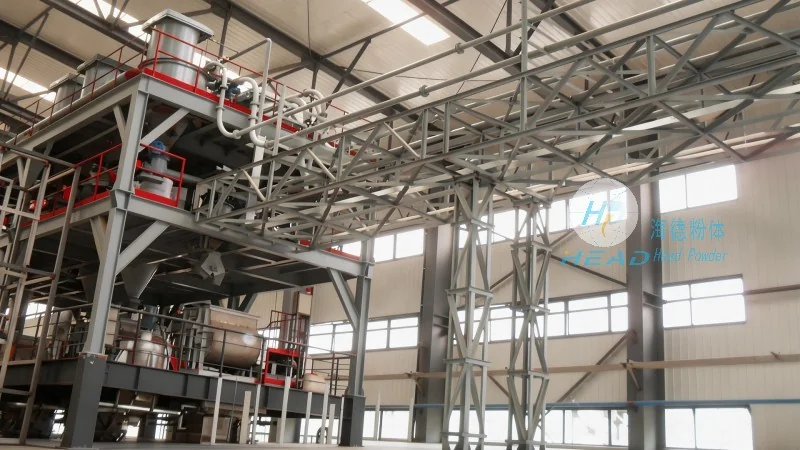
- Material Properties: The physical and chemical properties of LMO, such as particle size, density, and moisture content, are critical in determining the appropriate conveying method and system design. For example, fine powders may require higher air velocities to prevent clogging.
- System Pressure and Flow Rate: The pressure and flow rate of the conveying air are carefully calculated based on the material's characteristics and the distance to be covered. Proper selection ensures that the material is transported without excessive wear on the equipment or degradation of the material.
- Equipment Sizing and Layout: The size and layout of the conveying line, including pipe diameter, length, and bends, are designed to minimize pressure drop and energy consumption. The layout is optimized to avoid sharp turns or vertical lifts that could cause material degradation or system failure.
- Safety and Environmental Considerations: The design incorporates safety features to prevent accidents, such as pressure relief valves and emergency shut-off systems. Additionally, the system is designed to minimize dust emissions, ensuring compliance with environmental regulations and maintaining a safe working environment.
Benefits of Using a Lithium Manganese Oxide Material Pneumatic Conveying Line
Implementing a pneumatic conveying line for LMO materials offers numerous benefits for industrial applications. These include:
- Increased Efficiency: The system allows for continuous, automated material transport, reducing labor costs and increasing production throughput.
- Improved Product Quality: The closed system minimizes contamination and exposure to moisture or air, preserving the quality of the LMO material.
- Reduced Maintenance: Compared to mechanical systems, pneumatic conveying systems have fewer moving parts, resulting in lower maintenance requirements and longer equipment life.
- Enhanced Safety: The enclosed system reduces dust exposure, minimizing the risk of respiratory issues and fire hazards associated with fine powders.
Conclusion
Shandong HeadPowder Engineering Co., Ltd. specializes in designing and manufacturing high-quality lithium manganese oxide material pneumatic conveying lines that meet the specific needs of industrial applications. By adhering to the design principles outlined above, our systems ensure efficient, safe, and reliable transport of LMO materials. Whether for battery production or other industrial uses, our pneumatic conveying solutions provide a cost-effective and sustainable approach to material handling.