

What is a Soybean Material Pneumatic Conveying System? And What Are Its Design Principles?
When it comes to efficiently handling soybean materials in industrial processing, the concept of a pneumatic conveying system emerges as a critical solution. This technology involves the transport of solid particles, such as soybeans, through a pipeline using compressed air or other gas as the driving force. The system is widely adopted in the soybean processing industry due to its ability to minimize contamination, reduce mechanical wear on the material, and enhance overall operational efficiency.
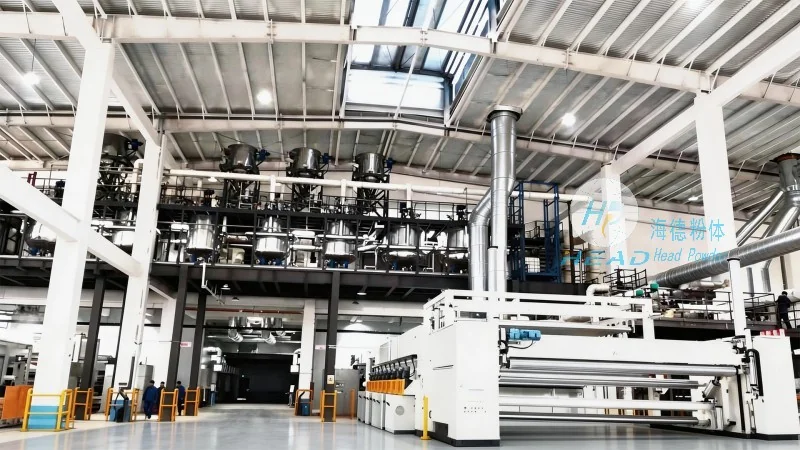
Introduction to Soybean Material Pneumatic Conveying Systems
A soybean material pneumatic conveying system is a specialized type of pneumatic transport equipment designed specifically for the movement of soybean grains or processed soybean products. Unlike traditional mechanical conveyors that rely on belts, chains, or rollers, pneumatic systems utilize air pressure to move materials through a sealed pipeline. This method is particularly advantageous in environments where hygiene and product purity are paramount, such as in food processing facilities.
Design Principles of Pneumatic Conveying Systems for Soybean Handling
The design of a pneumatic conveying system for soybean handling is a complex process that requires careful consideration of several key factors. First, the physical properties of soybeans, including their size, density, moisture content, and flowability, play a crucial role in determining the optimal system configuration. For instance, soybeans are typically spherical and have a relatively uniform size, which can affect the air-solid ratio and the required pressure levels. Engineers must also evaluate the distance and elevation changes between the source and destination points, as these factors influence the power requirements and the choice between positive pressure and negative pressure systems.
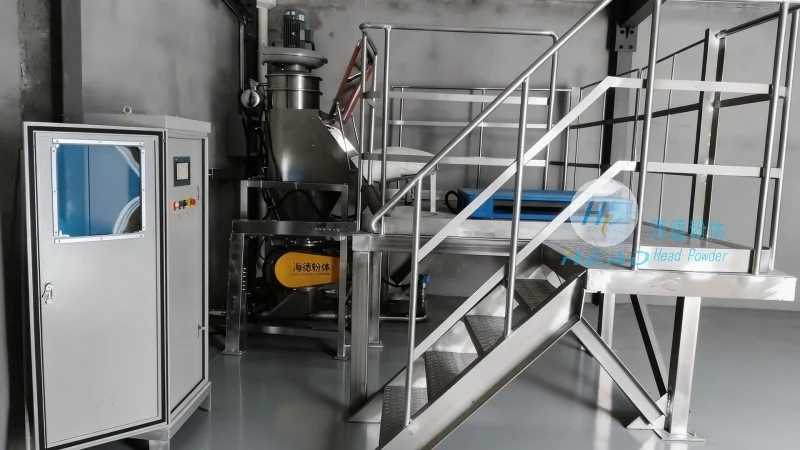
Positive pressure systems, where air is blown into the pipeline to push the material forward, are commonly used for short to medium distance conveying. They are often preferred for their simplicity and ability to handle a wide range of materials. Negative pressure systems, on the other hand, draw material into the pipeline using a vacuum, making them suitable for longer distances or when the material needs to be transported from multiple points into a central collection point. The selection of the appropriate system type depends on the specific operational constraints and the characteristics of the soybean material being handled.
Key Components and Their Functions in a Soybean Pneumatic Conveying System
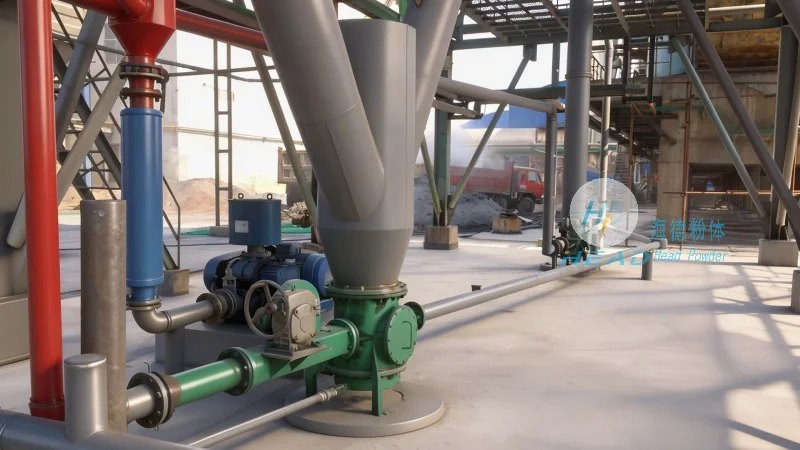
A typical soybean pneumatic conveying system consists of several interconnected components, each serving a specific function to ensure smooth and efficient operation. The primary components include the material feeder, which controls the flow rate of soybeans into the system; the air compressor or blower, which generates the necessary air pressure; the conveying pipeline, which transports the material; the separation equipment, such as cyclone separators or bag filters, which separate the soybeans from the air; and the control valves and sensors, which regulate the system's performance.
The material feeder is often a star valve or a rotary valve, designed to provide a consistent and controlled feed of soybeans into the pipeline. This component is critical to prevent blockages and ensure a steady flow. The air compressor or blower must be capable of delivering sufficient air volume and pressure to overcome the resistance in the pipeline and lift the soybeans. The conveying pipeline is usually made of stainless steel or other corrosion-resistant materials to withstand the abrasive nature of soybeans and to maintain hygiene standards. The separation equipment is essential to recover the soybeans from the exhaust air and to filter out any dust or particles, ensuring that the air is clean and the material is free from contamination.
Applications and Benefits in Soybean Processing Facilities
Soybean pneumatic conveying systems find extensive applications in various stages of soybean processing. In storage facilities, these systems are used to transfer soybeans from silos or storage bins to processing lines, ensuring a continuous supply of raw material. During the processing stage, they can transport soybeans from grinding or crushing equipment to the next step, such as solvent extraction or drying. In packaging operations, pneumatic conveyors are employed to move finished soybean products, like soy milk or soy protein, from the production line to the packaging machines. The benefits of using pneumatic systems in these applications include reduced labor costs, minimized product damage, improved hygiene, and the ability to handle materials in a dust-free environment.
About Shandong HeadPowder Engineering Co., Ltd.
Shandong HeadPowder Engineering Co., Ltd., commonly known as HeadPowder, is a leading manufacturer of specialized engineering solutions for material handling, particularly in the food processing industry. With its headquarters located in Shandong, China, the company has built a strong reputation for providing high-quality, customized pneumatic conveying systems tailored to the unique needs of soybean processing facilities. HeadPowder leverages years of industry experience and advanced engineering capabilities to design and manufacture equipment that meets the stringent requirements of food safety and operational efficiency. The company's commitment to innovation and customer satisfaction has made it a trusted partner for businesses seeking reliable and efficient soybean material handling solutions.