With more than 10‑year industry experience, Shandong Headpowder delivers full‑service pneumatic‑conveying systems and blowers, undertaking nationwide turn‑key powder‑handling projects.
Urea granule pneumatic conveying technology is a critical process in the fertilizer industry, enabling efficient and reliable transport of urea granules from storage to processing or packaging units. This technology utilizes air as the conveying medium, with two primary methods: negative pressure (suction) and positive pressure (blowing) systems. Understanding the nuances of each method is essential for optimizing performance, ensuring product integrity, and reducing operational costs.
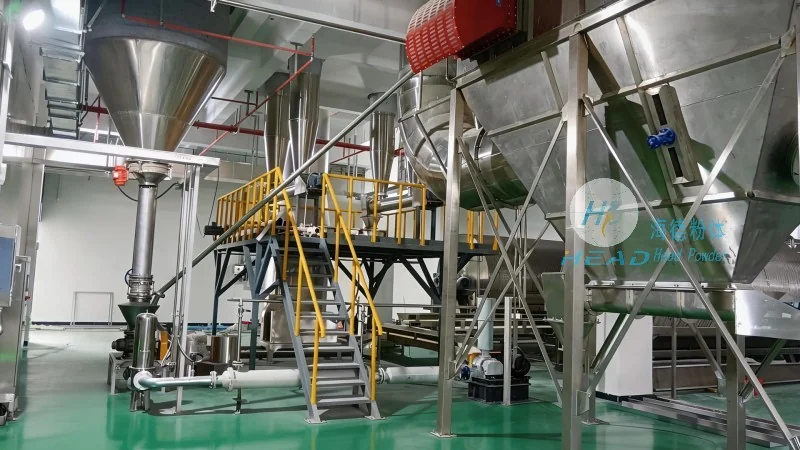
Urea, a widely used nitrogen fertilizer, is often supplied in granular form. The transportation of these granules requires specialized equipment to maintain product quality and prevent degradation. Pneumatic conveying systems offer a solution by using air to move the granules through pipelines, eliminating the need for mechanical components like belts or buckets that might cause abrasion or contamination. The choice between negative and positive pressure systems depends on factors such as the distance of transport, the volume of material, and the specific requirements of the application.
Negative pressure systems, also known as suction conveying, operate by creating a vacuum at the material inlet. This vacuum draws the urea granules into the conveying line, where they are then transported to the discharge point. The system typically includes a suction fan, a hopper for material storage, and a filter to capture any fines or dust. The negative pressure method is particularly effective for short to medium distances and when the material is to be conveyed from multiple points to a central location. It is also advantageous for applications where the material is sensitive to pressure changes or where the system needs to be integrated with existing infrastructure without significant modifications.
Positive pressure systems, or blowing conveying, work by forcing air through the conveying line, pushing the urea granules along the pipeline. This method is suitable for longer distances and higher material volumes, as the pressure can be maintained more effectively over extended runs. The system consists of a blower, a hopper, and a discharge unit, with the air being introduced at the inlet to move the material. Positive pressure systems are often preferred for applications requiring high throughput and where the material is less sensitive to pressure variations. However, they may require more robust equipment to handle the higher pressures and potential for air leakage.
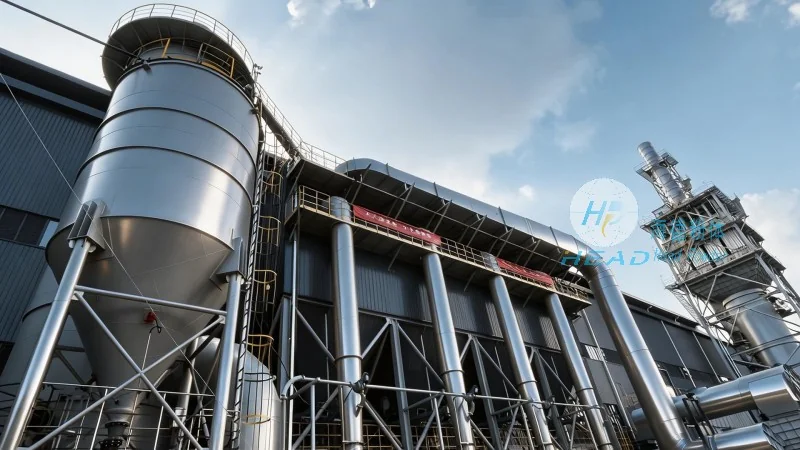
Both negative and positive pressure systems share common components, including hoppers, conveyors, and filters, but their design and configuration differ based on the pressure type. For negative pressure systems, the fan is positioned at the discharge end to create suction, while for positive pressure systems, the fan is at the inlet to generate pressure. The selection of fan type (centrifugal or positive displacement) depends on the specific application, with centrifugal fans being common for negative pressure due to their ability to handle large volumes of air at lower pressures, and positive displacement fans used in positive pressure systems for higher pressure requirements.
Negative pressure systems offer advantages such as lower initial costs, as they often require less powerful fans and simpler piping. They are also less likely to cause material degradation due to the lower pressure environment. However, they have limitations, including the need for a sealed system to prevent air leakage and the potential for lower conveying velocities over long distances. Positive pressure systems, while more expensive initially, provide higher conveying capacities and can handle longer distances with less pressure drop. The main challenges include higher energy consumption due to the higher pressure requirements and the need for more robust equipment to withstand the forces exerted by the air and material.
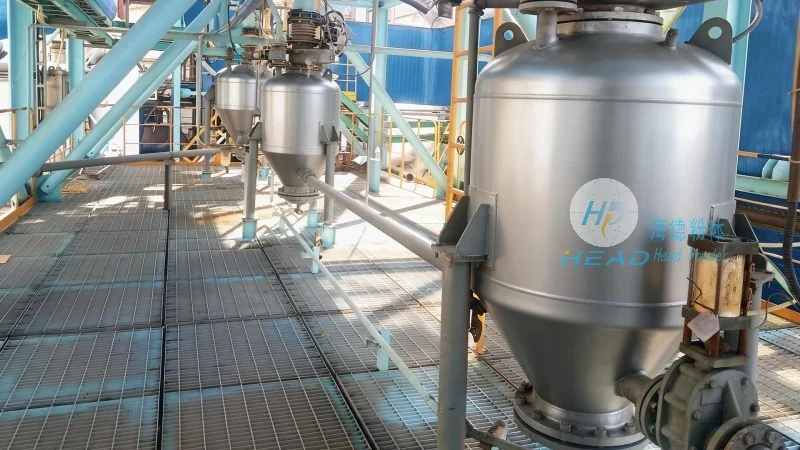
The application of urea granule pneumatic conveying technology varies across different industries. In the fertilizer sector, these systems are used to transport urea from storage silos to processing plants or to packaging lines. In agricultural settings, they may be employed to move urea from bulk storage to field application equipment. The technology is also used in industrial settings where urea is a raw material for other chemical processes. The choice of system depends on the specific requirements of each application, such as the distance to be covered, the volume of material to be transported, and the need for product integrity.
Shandong HeadPowder Engineering Co., Ltd., a leading provider of pneumatic conveying solutions, has successfully implemented both negative and positive pressure systems for urea granule transport. One notable project involved the installation of a negative pressure system for a fertilizer plant in China, where the company designed a custom hopper and fan system to handle the plant's specific urea granule characteristics. The system was able to transport 500 tons of urea per hour over a distance of 200 meters, with minimal product degradation. Another project utilized a positive pressure system for a larger-scale fertilizer facility, where the company's expertise in blower selection and pipeline design ensured high throughput and reliable operation. These case studies highlight the company's capability to tailor pneumatic conveying solutions to meet the unique needs of each client, ensuring optimal performance and cost-effectiveness.
Urea granule pneumatic conveying technology, with its negative and positive pressure variants, continues to be a vital component in the efficient handling of urea granules. The choice between the two systems depends on a range of factors, including distance, volume, and material characteristics. As the fertilizer industry evolves, there is a growing emphasis on energy efficiency and product quality, driving the development of more advanced pneumatic conveying systems. Future trends may include the integration of automation and control systems to optimize operation, the use of more durable materials to reduce maintenance, and the development of hybrid systems that combine the benefits of both negative and positive pressure methods. For companies like Shandong HeadPowder Engineering Co., Ltd., the focus remains on providing tailored solutions that meet the evolving needs of the industry, ensuring reliable and efficient urea granule transport.

 Shandong Headpowder Engineering Co., Ltd.
 156-6277-7102(Manager Zhang)
  0531-83386006
  Zhangqiu District, Jinan City, Shandong Province, China
telephone
WeChatconsult
top