With more than 10‑year industry experience, Shandong Headpowder delivers full‑service pneumatic‑conveying systems and blowers, undertaking nationwide turn‑key powder‑handling projects.
When it comes to handling and transporting rice in the agricultural and food processing industries, selecting the right conveying method is crucial for efficiency, cost-effectiveness, and product quality. Various technologies are available, each with its own set of advantages and disadvantages. This article provides a detailed comparison of common rice conveying methods, helping businesses make informed decisions based on their specific operational needs.
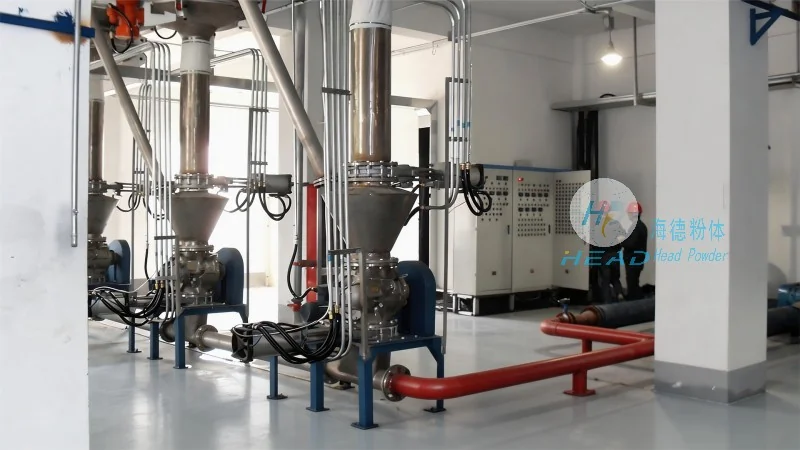
Before diving into the pros and cons, it's essential to understand the primary types of rice conveying systems. These systems are designed to move rice from one point to another within processing facilities, storage areas, or during packaging operations. The main categories include mechanical conveyors, pneumatic systems, and specialized equipment tailored for grain handling.
The bucket elevator, also known as a chain and flight elevator, is a classic mechanical conveyor widely used in rice processing. It consists of a series of buckets attached to a chain or belt that moves vertically or at an incline. This method is highly effective for vertical or steep incline transport, making it ideal for elevating rice from storage silos to processing lines or packaging areas.
Advantages of bucket elevators include high capacity, ability to handle bulk materials without degradation, and relatively low maintenance costs once installed. They are also suitable for transporting rice at high speeds, which can improve overall processing throughput. Additionally, bucket elevators can be integrated with other processing equipment, providing a seamless flow of materials.
However, bucket elevators have some drawbacks. They require regular maintenance to ensure the buckets and chains are in good condition, as wear and tear can lead to material spillage or system failure. The initial investment cost is higher compared to simpler systems, and they may not be suitable for very fine or delicate rice varieties that could be damaged by the mechanical action.
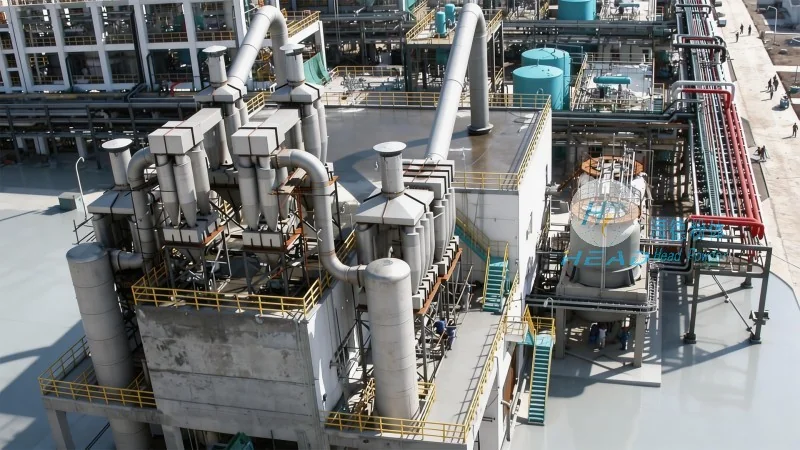
Screw conveyors, or auger conveyors, use a rotating helical screw to move rice along a tube or trough. This method is commonly used for horizontal or slight incline transport, making it ideal for moving rice from storage bins to processing equipment or for feeding packaging machines.
One of the key advantages of screw conveyors is their simplicity and low cost. They require minimal maintenance and can be easily installed in existing facilities. Screw conveyors are also effective for handling a wide range of rice types, including whole grains and broken pieces, without causing significant damage. They can operate in enclosed systems, which helps contain dust and prevent contamination.
Nevertheless, screw conveyors have limitations. They are not suitable for vertical transport due to the risk of material clogging or the need for excessive power. The capacity is generally lower than that of bucket elevators, and they may not handle very fine or sticky rice varieties well, as these can cause the screw to bind or the material to stick to the trough.
Pneumatic conveying systems use air pressure to transport rice through a pipeline. This method is ideal for long-distance or complex route transport, as it can move rice horizontally, vertically, or in a combination of both directions. Pneumatic systems are often used in large-scale processing facilities where multiple processing stages are spread out.
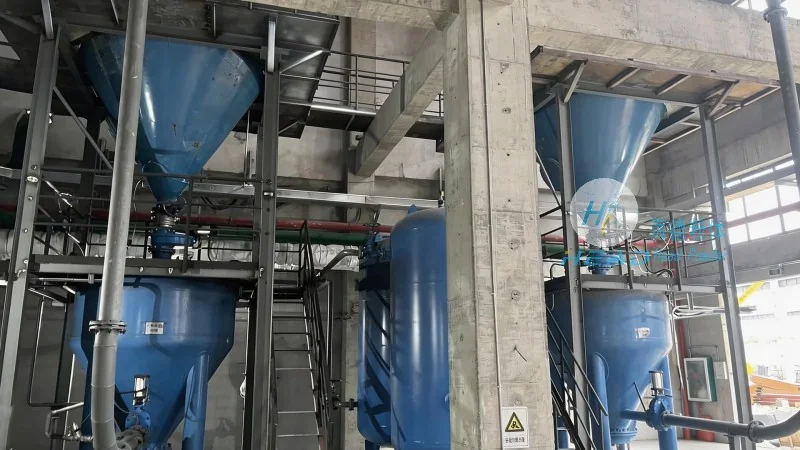
The primary advantage of pneumatic conveying is its ability to transport rice without physical contact, which reduces the risk of contamination and damage. It can also handle a wide variety of rice types, including delicate or fragile grains. Pneumatic systems are flexible, allowing for changes in the conveying route without major modifications to the infrastructure.
However, pneumatic conveying has significant drawbacks. The initial investment cost is high due to the need for powerful air compressors and a robust pipeline system. Maintenance costs are also higher, as the system requires regular checks on air filters, pressure regulators, and pipeline integrity. Additionally, the system may not be suitable for very fine rice or those with high moisture content, as these can cause blockages or reduce conveying efficiency.
Belt conveyors use a continuous belt to transport rice, similar to those used in many industrial settings. They are commonly used for horizontal or slight incline transport over long distances, making them suitable for moving rice from storage areas to processing lines or for packaging operations.
Advantages of belt conveyors include high capacity and the ability to transport rice at high speeds. They are also relatively simple to operate and maintain, with fewer moving parts compared to other systems. Belt conveyors can handle a wide range of rice types and are suitable for both bulk and packaged rice transport.
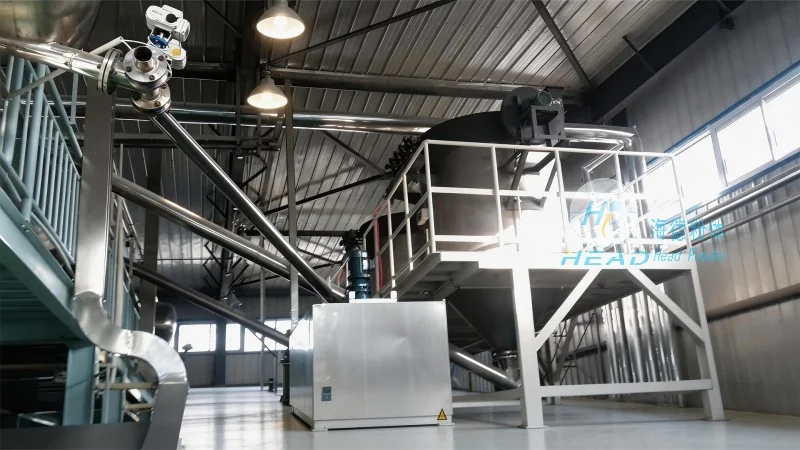
However, belt conveyors have limitations. They are not suitable for vertical transport and require a level or slightly inclined surface. The system may not be effective for very fine or sticky rice, as these can cause the belt to slip or the material to accumulate on the sides. Additionally, the initial cost is moderate to high, and the system requires regular cleaning to prevent material buildup and maintain efficiency.
When selecting a rice conveying method, businesses must consider several factors, including the volume of rice to be transported, the distance and direction of transport, the type of rice (e.g., whole grains, broken pieces, or polished rice), and the available budget. Each method has its strengths and weaknesses, and the best choice depends on the specific operational requirements of the facility.
For example, a small-scale rice processing plant might opt for a screw conveyor due to its low cost and simplicity, while a large-scale facility with multiple processing stages might choose a combination of bucket elevators and pneumatic systems to maximize efficiency. The key is to balance the initial investment with long-term operational costs and the need for product quality and safety.
Understanding the advantages and disadvantages of common rice conveying methods is essential for optimizing processing operations and ensuring product quality. By carefully evaluating the specific needs of the business, selecting the appropriate conveying system can lead to improved efficiency, reduced costs, and enhanced product safety. As a leading provider of engineering solutions for the grain and food processing industry, Shandong HeadPowder Engineering Co., Ltd. offers a range of conveying systems tailored to meet the diverse needs of rice processing facilities. Our expertise in mechanical and pneumatic systems ensures that businesses can choose the most suitable solution for their operations, helping them achieve their production goals while maintaining high standards of quality and safety.

 Shandong Headpowder Engineering Co., Ltd.
 156-6277-7102(Manager Zhang)
  0531-83386006
  Zhangqiu District, Jinan City, Shandong Province, China
telephone
WeChatconsult
top