With more than 10‑year industry experience, Shandong Headpowder delivers full‑service pneumatic‑conveying systems and blowers, undertaking nationwide turn‑key powder‑handling projects.
Clay, a versatile and widely used material in various industrial applications, often requires efficient and reliable transport systems to move it from one location to another. The choice of transport method significantly impacts operational efficiency, cost, and environmental impact. Shandong HeadPowder Engineering Co., Ltd., a leading provider of industrial transport solutions, understands the importance of selecting the right clay transport method for optimal performance. This article provides a detailed comparison of common clay transport methods, highlighting their advantages and disadvantages to help industries make informed decisions.
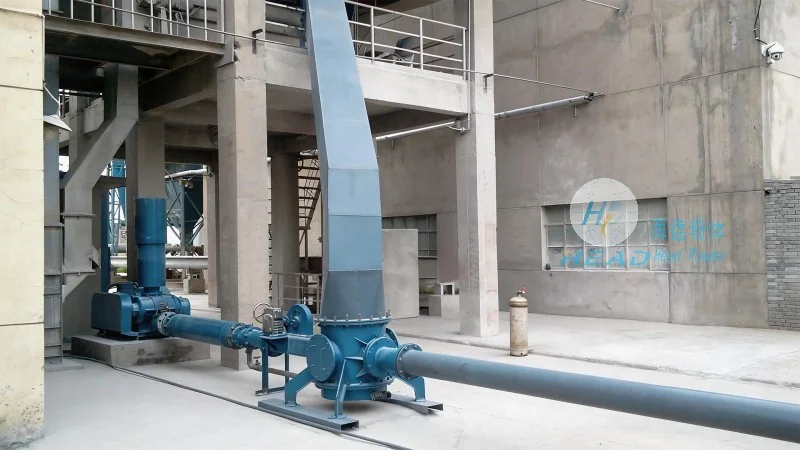
Clay transport is essential in sectors such as construction, ceramics, and mining. The primary goal is to move clay in a manner that minimizes degradation, ensures consistent flow, and maintains product quality. Several methods are commonly employed, each with distinct characteristics that make it suitable for different scenarios.
Pneumatic conveying uses air pressure to transport clay particles through a pipeline. This method is particularly effective for fine-grained clay and can handle materials that are difficult to move with traditional systems. The primary advantage of pneumatic conveying is its ability to transport materials over long distances without the need for multiple transfer points. It also offers a relatively clean and dust-free operation, which is beneficial for maintaining product purity. However, this method has its drawbacks. High air pressure requirements can lead to increased energy consumption, and the system may be less efficient for very coarse or wet clay. Additionally, the cost of installation and maintenance can be higher compared to other methods.
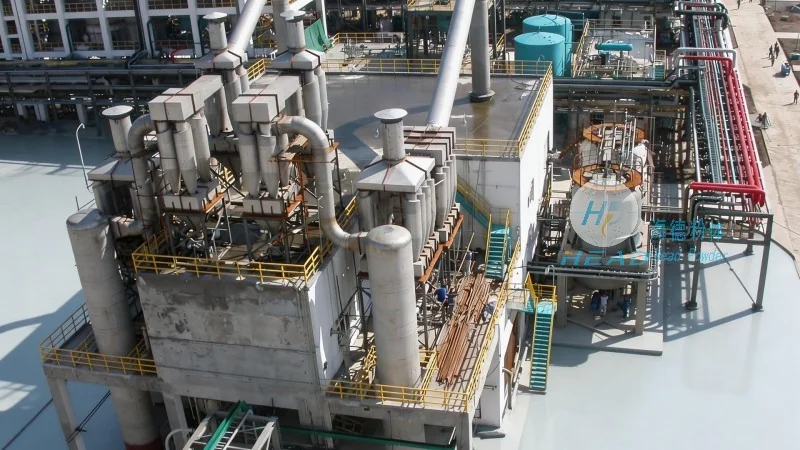
Hydraulic conveying involves transporting clay in a slurry form using water or other liquids. This method is ideal for handling wet or sticky clay, as the liquid helps to keep the material in suspension. The main advantage of hydraulic systems is their ability to handle high volumes of material with relatively low energy input. They are also suitable for long-distance transport and can be integrated with other processing steps. However, hydraulic conveying has significant disadvantages. The need for large volumes of water increases operational costs and can lead to environmental concerns if not managed properly. The system also requires regular maintenance to prevent clogging and corrosion. Additionally, the final product may need to be dewatered, adding an extra step to the process.
Mechanical conveying systems, such as belt conveyors, screw conveyors, and bucket elevators, rely on mechanical components to move clay. These systems are widely used due to their simplicity and reliability. The primary advantage is their low initial cost and ease of installation. They are also suitable for a wide range of clay types and can handle both dry and wet materials. However, mechanical systems have limitations. They are generally less efficient for long-distance transport and may require more frequent maintenance to prevent wear and tear. Additionally, they can be less effective for very fine or cohesive clay, which may stick to the conveyor surfaces.
Gravity conveying utilizes the natural force of gravity to move clay down a slope or incline. This method is simple and low-cost, making it suitable for short distances and gentle slopes. The main advantage is its minimal energy consumption and low maintenance requirements. It is particularly effective for transporting dry clay on a slight incline. However, gravity systems have significant limitations. They are only suitable for short distances and require a suitable topography. The system is also less effective for wet or sticky clay, as the material may not flow adequately. Additionally, the capacity is limited, and the system may not be suitable for large volumes of material.
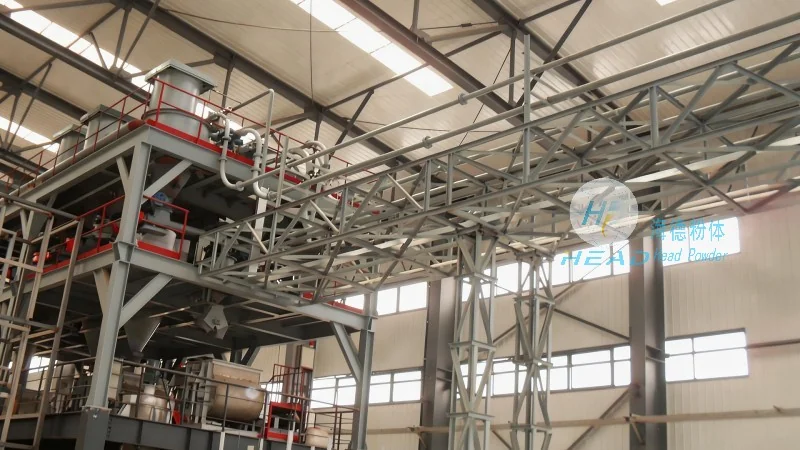
In some cases, a combination of the above methods may be used to achieve optimal transport. For example, a pneumatic system might be used to transport clay over a long distance, followed by a mechanical conveyor for final delivery. This approach allows for the benefits of each method to be utilized while mitigating their drawbacks. However, combination systems are more complex and require careful integration to ensure smooth operation. They also have higher installation and maintenance costs compared to single-method systems.
The choice of clay transport method depends on various factors, including the type of clay, distance to be covered, and operational requirements. Pneumatic conveying is ideal for fine, dry clay over long distances, while hydraulic systems are better suited for wet or sticky materials. Mechanical systems offer a balance of cost and efficiency for most applications. Gravity systems are suitable for short distances and gentle slopes. Ultimately, the most effective method is one that aligns with the specific needs of the industry and balances operational efficiency with cost and environmental considerations.

 Shandong Headpowder Engineering Co., Ltd.
 156-6277-7102(Manager Zhang)
  0531-83386006
  Zhangqiu District, Jinan City, Shandong Province, China
telephone
WeChatconsult
top