With more than 10‑year industry experience, Shandong Headpowder delivers full‑service pneumatic‑conveying systems and blowers, undertaking nationwide turn‑key powder‑handling projects.
When it comes to transporting potassium carbonate fertilizer, selecting the right method is crucial for ensuring efficiency, safety, and cost-effectiveness. As a leading provider in the industry, Shandong HeadPowder Engineering Co., Ltd. offers insights into the most common transportation options available today. This article provides a detailed comparison of these methods, helping stakeholders make informed decisions based on their specific operational needs.
Potassium carbonate (K₂CO₃) is a vital agricultural fertilizer that enhances soil fertility and plant growth by providing essential potassium nutrients. Its high solubility and reactivity make it a preferred choice for modern farming practices. However, due to its chemical properties and the need for precise handling, the transportation of this fertilizer requires specialized methods to maintain quality and prevent hazards. The choice of transportation method directly impacts logistics, storage, and the overall supply chain efficiency for agricultural producers and distributors.
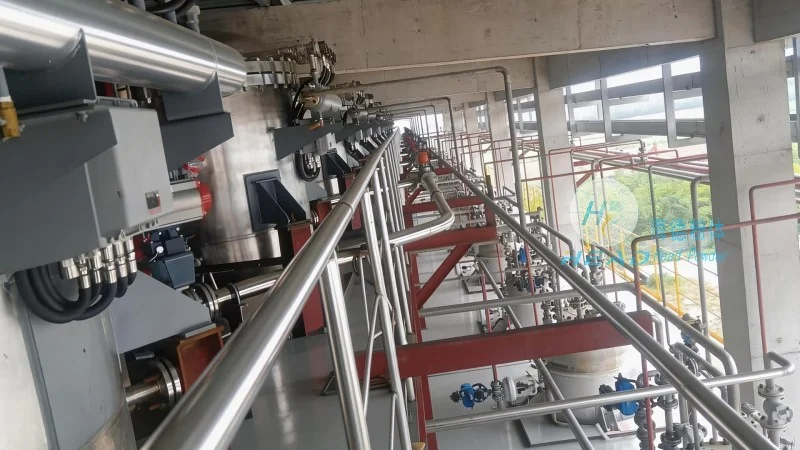
Pipeline transportation is a continuous, automated system that moves potassium carbonate fertilizer through underground or above-ground pipelines. This method is ideal for large-scale operations where a steady supply is required over long distances. The primary advantages of pipeline transport include high efficiency, minimal labor costs, and reduced risk of spillage or contamination compared to other methods. For companies like Shandong HeadPowder Engineering Co., Ltd., which may offer pipeline infrastructure solutions, this option ensures reliable and consistent delivery to farms and processing facilities. However, the initial investment for pipeline construction can be substantial, and the system is less flexible for short-term or variable demand.
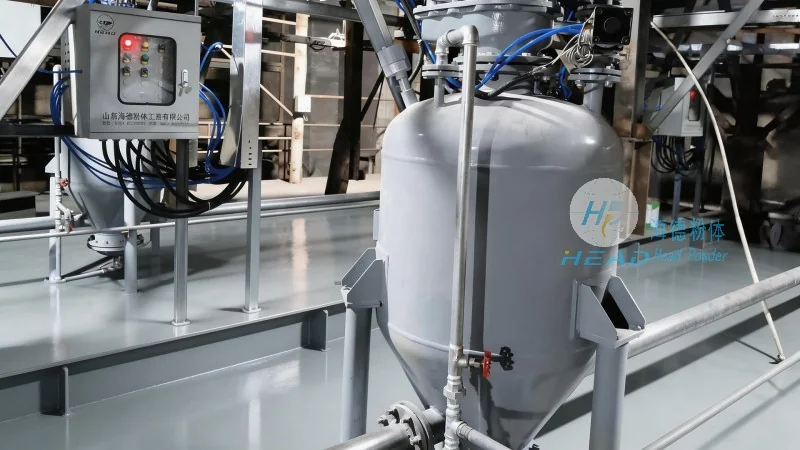
Truck transportation using specialized tank trucks is a flexible and widely used method for moving potassium carbonate fertilizer. These vehicles are equipped with insulated tanks to maintain the product's temperature and prevent degradation. The key benefits of this approach include the ability to serve multiple locations, adapt to varying delivery schedules, and handle smaller or regional shipments. For agricultural businesses, tank trucks offer convenience and accessibility, as they can reach remote farms or processing plants that may not have direct pipeline access. Shandong HeadPowder Engineering Co., Ltd. may also provide tank truck services or equipment to support such operations. The main drawbacks include higher fuel costs, potential for driver fatigue, and the need for regular maintenance of the tank and vehicle.
For international or long-distance transportation, containerized shipping is a common choice. Potassium carbonate fertilizer can be loaded into standard or specialized containers, which are then transported via trucks, trains, or ships. This method is particularly advantageous for global supply chains, allowing for bulk shipments to overseas markets. The use of containers ensures product integrity during transit, as they are sealed and protected from environmental factors. Companies like Shandong HeadPowder Engineering Co., Ltd. may engage in containerized logistics to expand their market reach. However, containerized shipping involves additional handling steps, potential delays at ports, and higher costs compared to other methods. It also requires careful planning to ensure compliance with international shipping regulations and product safety standards.
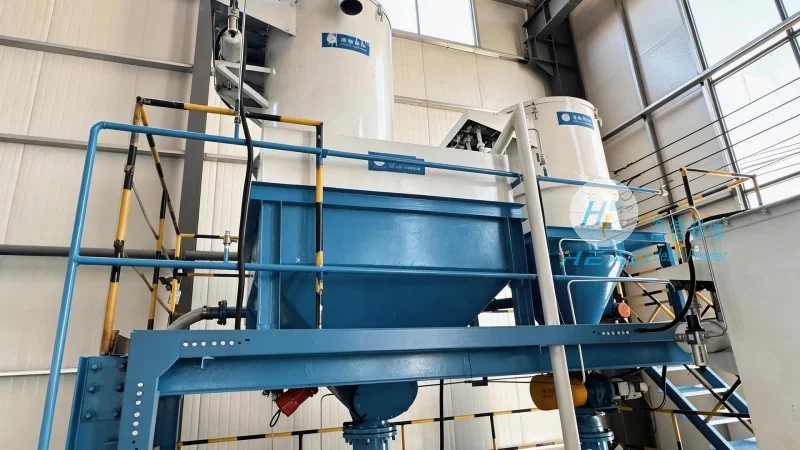
Bulk bag (Flexible Intermediate Bulk Container) transportation is suitable for smaller or intermediate-scale shipments. These bags are made of durable fabric and are designed to hold large quantities of fertilizer while being easy to handle and store. The benefits of bulk bags include cost-effectiveness for smaller orders, flexibility in loading and unloading, and reduced risk of product spillage compared to loose bulk transport. This method is often used for regional distribution or for supplying smaller farms or agricultural cooperatives. Shandong HeadPowder Engineering Co., Ltd. may offer bulk bag solutions as part of their logistics services. The main limitations include the need for proper handling equipment to avoid tearing the bags and the potential for dust exposure during loading and unloading.
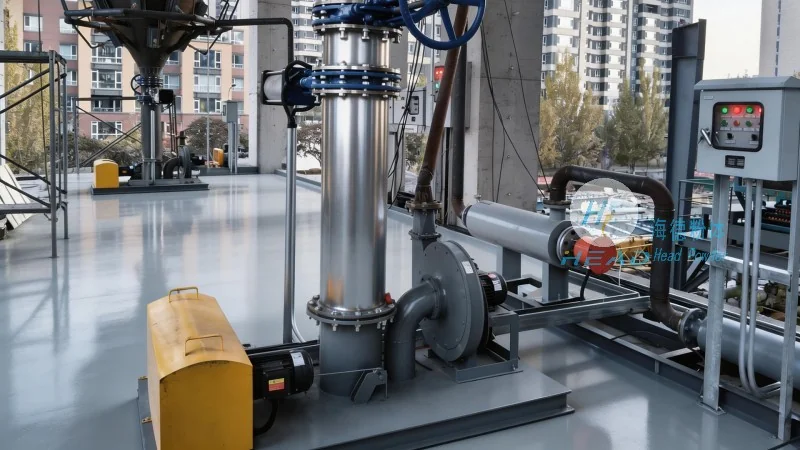
When selecting a transportation method for potassium carbonate fertilizer, several factors must be evaluated to ensure the best fit for the operation. These include the scale of the operation (e.g., large-scale farms vs. smallholder farmers), the distance and location of the delivery points, the budget available for transportation, and the required delivery speed. For instance, a large agricultural cooperative in China might opt for pipeline transportation for its main processing plant, while smaller local farms may rely on tank trucks or bulk bags for their needs. The choice also depends on the availability of infrastructure, such as pipelines or port facilities, and the regulatory environment governing fertilizer transport in the region. Shandong HeadPowder Engineering Co., Ltd. can provide tailored solutions by assessing these factors and recommending the most efficient and cost-effective method for each client's unique situation.
Transporting potassium carbonate fertilizer effectively requires careful consideration of the available options and the specific needs of the operation. Whether through pipelines, tank trucks, containers, or bulk bags, each method has its advantages and limitations. By understanding these differences and consulting with industry experts like Shandong HeadPowder Engineering Co., Ltd., agricultural businesses can optimize their supply chain, reduce costs, and ensure the reliable delivery of this essential fertilizer. The goal is to balance efficiency, safety, and cost while meeting the demands of modern agriculture.

 Shandong Headpowder Engineering Co., Ltd.
 156-6277-7102(Manager Zhang)
  0531-83386006
  Zhangqiu District, Jinan City, Shandong Province, China
telephone
WeChatconsult
top